TL;DR

Get kitchen staples and gadgets delivered free with Prime
- Fast, free delivery on millions of items
- Prime Video, Amazon Music and more included
- Member-only deals all year
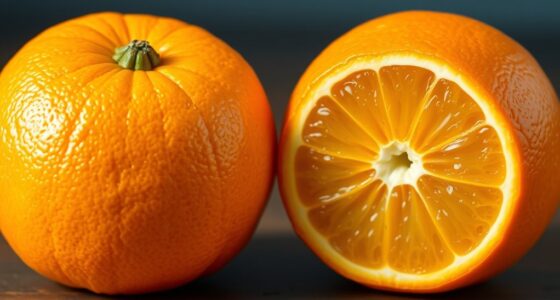
A Good Housekeeping report lists figs, passion fruit, apricots, bananas, papaya, blackberries, kiwi, avocados and oranges as fruits that contain magnesium. It gives specific magnesium amounts for bananas and blackberries, but the supplied source material does not provide amounts for the other fruits or establish that eating these fruits prevents disease.
Good Housekeeping has published a list of nine fruits that contain magnesium, naming figs, passion fruit, apricots, bananas, papaya, blackberries, kiwi, avocados and oranges. The report gives specific amounts for two entries: 32 milligrams in one medium banana and 28.8 milligrams in a one-cup serving of blackberries; it does not provide amounts for the other seven in the supplied material.
The list presents fruit as one way to include magnesium in a varied diet, rather than as a treatment for illness. The figures available in the source are tied to particular serving sizes: a medium banana contains 32 mg, while one cup of blackberries contains 28.8 mg. The report does not state a measurement method or give comparable serving-based figures for the remaining fruits.
Good Housekeeping also describes blackberries as sources of fiber, antioxidants, calcium, potassium and vitamins A, B, C, E and K. It says their dark color comes from anthocyanins and associates them with helping prevent heart disease. Such disease-related language should be read as a reported health claim, not proof that eating blackberries prevents heart disease; the supplied material does not cite a specific study supporting that conclusion.
For bananas, the report notes their well-known potassium content and says research has identified anti-inflammatory, antioxidant, anticancer and antidiabetic properties. It also mentions phenolic compounds in banana peels and their potential relationship to chronic disease risk. These are broad claims reported by the article; the material provided does not specify the studies, populations, quantities eaten or strength of evidence behind them.
How Fruit Can Add Dietary Magnesium
Magnesium is a nutrient people obtain from food, and a fruit list can help readers identify options to include in meals and snacks. The figures supplied for bananas and blackberries offer concrete examples, but without comparable amounts for the other seven fruits, readers cannot use this report alone to rank the full list or estimate how much magnesium a particular combination provides.
The distinction matters because the headline promises support for better health, while the details do not establish that these fruits independently produce a health outcome. A balanced diet can include fruit alongside other foods; readers with specific nutrition needs or health concerns should not treat a listicle as individual medical advice. The reported disease associations, particularly for blackberries and banana peel, need the supporting evidence and qualifications that are absent from the supplied source material.
As an affiliate, we earn on qualifying purchases.
The Nine Fruits in the Report
The Good Housekeeping report names figs, passion fruit and apricots before bananas, followed by papaya, blackberries, kiwi, avocados and oranges. The supplied text includes detailed nutrition commentary only for bananas and blackberries. It does not provide serving sizes or magnesium values for figs, passion fruit, apricots, papaya, kiwi, avocados or oranges, so those entries can be identified as part of the list but not compared numerically here.
The report credits Laura Iu, a registered dietitian nutritionist, with professional credentials and a New York private practice. However, the source material supplied does not include a direct quote from Iu explaining the list or advising readers how to use it. No publication date is included in the material, limiting the ability to place the report on a precise timeline.
“A 1-cup serving of blackberries has 28.8 mg of magnesium.”
— Good Housekeeping, describing blackberries
Missing Values and Health Evidence
The supplied report excerpt does not show magnesium quantities or serving sizes for seven of the nine fruits. It also does not provide the underlying research behind its statements about disease prevention or other health effects. The article’s precise publication date and the method used to calculate its nutrient figures are not available in the provided material.
As a result, the available information does not show how the nine fruits compare with one another, how their magnesium content varies by size or preparation, or what portion of daily magnesium needs the cited servings represent. It also does not establish that consuming any one fruit will prevent or treat a health condition.
What Readers Can Verify
Readers seeking a complete comparison would need serving-based magnesium values for all nine fruits, along with the source and date of the nutrition data. For now, the only figures confirmed in the supplied report excerpt are 32 mg per medium banana and 28.8 mg per cup of blackberries.
Any further health guidance should come from the full report’s cited research or a qualified health professional. The supplied material does not indicate whether Good Housekeeping plans to update the list or publish additional evidence and nutrition details.
Key Questions
Which nine fruits does the report list?
It names figs, passion fruit, apricots, bananas, papaya, blackberries, kiwi, avocados and oranges.
How much magnesium is in a banana or blackberries?
Good Housekeeping reports 32 mg in one medium banana and 28.8 mg in a one-cup serving of blackberries.
Does the source give magnesium amounts for all nine fruits?
No. The supplied material provides figures only for bananas and blackberries. It gives no serving-based magnesium values for the other seven fruits.
Does the report prove these fruits prevent disease?
No. The report makes health-related claims, including an association between blackberries and heart disease prevention, but the supplied source material does not include supporting study details that establish cause and effect.
Source: rss
Halloween Picks
halloween
As an affiliate, we earn on qualifying purchases.