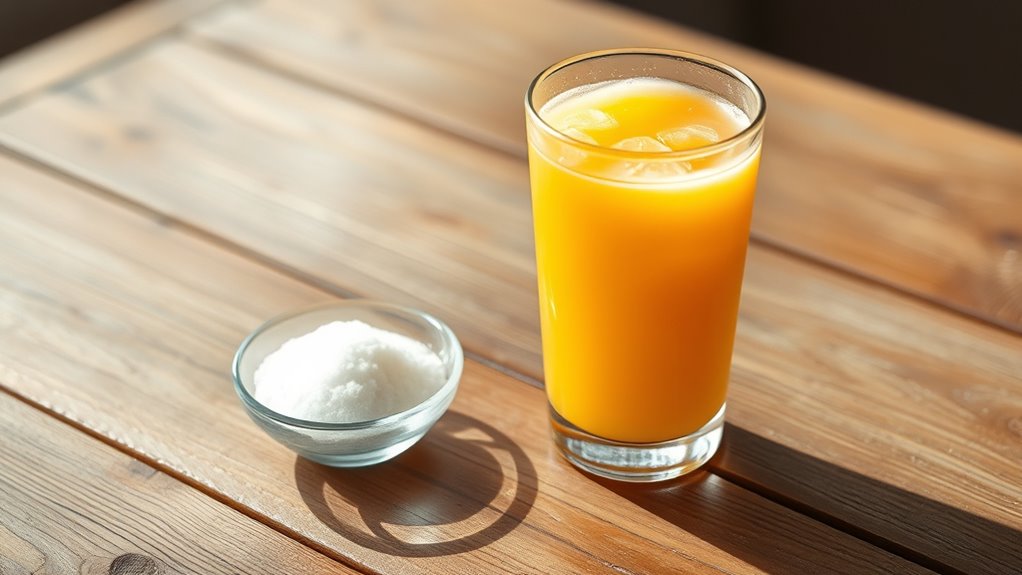

When you choose fruit juice, it’s key to understand that natural sugars come from the fruit itself, along with beneficial nutrients like fiber, vitamins, and antioxidants. However, many commercial juices also contain added sugars, like high-fructose corn syrup or cane sugar, which can spike your blood sugar and add empty calories. Knowing the difference helps you make healthier choices, and by exploring further, you’ll learn how to enjoy fruit in a way that benefits your health.

Get kitchen staples and gadgets delivered free — and shop member deals
- Fast, free delivery on millions of items
- Access to Prime Big Deal Days deals on October 6–7
- Prime Video, Amazon Music and more included
Key Takeaways
- Natural sugars in whole fruits come with fiber and nutrients, promoting gradual sugar absorption and overall health.
- Juice processing removes fiber, causing natural sugars to be absorbed quickly, leading to blood sugar spikes.
- Commercial juices often contain added sugars like high-fructose corn syrup, increasing total sugar content without nutritional benefits.
- Consuming large amounts of juice with added sugars can cause weight gain, insulin resistance, and dental issues.
- Choosing whole fruits or juices without added sugars helps maintain stable blood sugar levels and maximizes health benefits.

Many fruit juices contain high levels of sugar, often exceeding what you might expect from whole fruits. This high sugar content can impact your health in various ways, making it important to understand the differences between natural sugars and added sugars in your juice. When you choose a juice, you might think it’s a healthy option because it’s made from fruit, but the reality is that many commercially available juices are loaded with sugar. While natural sugars from fruit do come with some health benefits—like providing vitamins, antioxidants, and fiber—the process of extracting juice often strips away much of the fiber that helps slow sugar absorption. As a result, drinking juice can lead to a quick spike in blood sugar levels, especially if the juice has a high sugar content. This rapid increase can contribute to issues like energy crashes, increased appetite, and long-term risks such as insulin resistance.
Understanding the difference between natural and added sugars is vital for managing your overall health. Natural sugars are those found in whole fruits and are accompanied by beneficial nutrients and fiber. These components help regulate how your body processes sugar, offering some health benefits like improved digestion and immune support. However, when fruits are turned into juice, much of the fiber is lost, leaving behind mostly sugars and liquid. This means that even 100% fruit juice, which might seem healthy on the label, can have a sugar content comparable to sugary sodas if consumed in large quantities. The health benefits of natural sugars are often overshadowed when the juice is processed or consumed excessively, because the high sugar content can promote weight gain, increase the risk of type 2 diabetes, and contribute to tooth decay. Additionally, many commercial juices contain hidden added sugars, making them even less beneficial.
On the other hand, added sugars are those introduced during processing or manufacturing, and they add no nutritional value. These sugars are often hidden under labels like high-fructose corn syrup or cane sugar, and they considerably increase the sugar content of your juice. Consuming beverages with added sugars can quickly negate any health benefits you might get from the fruit’s vitamins and antioxidants. To make healthier choices, you should look for juices with no added sugars or opt for whole fruits instead. Whole fruits retain their fiber and have a lower glycemic load, making them a better choice for maintaining stable blood sugar levels and supporting your overall health. By being mindful of the sugar content and understanding the distinction between natural and added sugars, you’re better equipped to enjoy fruit in a way that truly benefits your health.
100% fruit juice with no added sugar
As an affiliate, we earn on qualifying purchases.
As an affiliate, we earn on qualifying purchases.
Frequently Asked Questions
How Does Natural Sugar Impact Blood Sugar Levels?
Natural sugar in juice causes your blood sugar levels to rise, but it happens gradually because fruit fermentation slows down sugar absorption. When you consume natural sugars, your body processes them more slowly, avoiding sudden spikes. This slower absorption helps maintain steadier blood sugar levels. So, while natural sugar impacts blood sugar, it’s less intense than added sugars, especially when consumed with fiber and other nutrients in whole fruits.
Are Organic Juices Lower in Added Sugars?
Yes, organic juices often have less added sugar, but beware: organic farming doesn’t guarantee zero added sugars. You might think it’s healthier, yet some brands still include sweeteners to enhance flavor. Plus, organic produce minimizes pesticide residues, making it a better choice overall. Always check labels carefully—what you see isn’t always what you get. Stay vigilant, and your juice choices will support your health and peace of mind.
Can Excess Natural Sugars Cause Weight Gain?
Yes, excess natural sugars can cause weight gain because they add to your calorie content. When you consume a lot of fruit fiber without balancing it with physical activity, those extra calories can lead to weight gain over time. Even though natural sugars come from fruit, eating too much can still impact your caloric intake, so it’s important to enjoy fruit in moderation and maintain a balanced diet.
How Do Sugar Substitutes Compare in Juice?
You might wonder if sugar substitutes in juice are safe, and the answer is complex. Artificial sweeteners often mask flavor, making the juice taste sweet without the calories. But do they truly satisfy your craving? While they cut calorie intake, some worry about potential health effects. Ultimately, they offer a tempting alternative, but you should weigh the flavor masking benefits against any concerns about artificial ingredients.
Are There Health Benefits to Naturally Occurring Sugars?
You get health benefits from naturally occurring sugars because they come with fruit fiber and enzyme benefits that aid digestion and stabilize blood sugar levels. These sugars are less likely to cause spikes compared to added sugars. When you consume whole fruits or minimally processed juice, you’re also getting beneficial nutrients and antioxidants, making it a smarter choice for overall health and energy stability.
Conclusion
Remember, you are what you eat and drink. Choosing juices with natural sugars over added ones can help you stay healthier and more energized. Always read labels and opt for fresh, whole fruits when possible. As the saying goes, “An ounce of prevention is worth a pound of cure.” By making mindful choices today, you’ll set yourself up for better health tomorrow. So, trust your instincts and prioritize natural goodness in your juice.
Fall Picks
fall essentials
As an affiliate, we earn on qualifying purchases.