

To guarantee cloud stability and haze in citrus juices, you need to manage the interactions between proteins, pectins, and soluble solids. Controlling pH is key, as it affects protein solubility and prevents aggregation that can cause haze breakdown or sedimentation. Temperature control also helps maintain haze stability by avoiding protein denaturation. By understanding these factors, you can optimize your process to keep the juice looking fresh and appealing. Continuing will reveal how to implement these strategies effectively.
Key Takeaways
- Proteins, pectins, and soluble solids interact to form colloidal particles that cause haze in citrus juices.
- Maintaining optimal pH levels prevents protein aggregation and preserves haze stability.
- Temperature fluctuations can denature proteins, leading to haze breakdown or sedimentation.
- Polysaccharides influence the strength of the colloidal network, affecting cloud stability.
- Precise pH control and process automation are essential for consistent haze and visual appeal.

Citrus juices often display a cloudy appearance due to haze, which can affect their visual appeal and perceived freshness. This haze results from complex interactions among various components in the juice, including proteins, pectins, and other soluble solids. Understanding the factors that influence cloud stability is vital if you want to maintain the vibrant, appealing look of your citrus beverages. One key aspect to consider is pH effects, which directly impact protein interactions within the juice. When the pH is too low or too high, proteins tend to denature or aggregate, leading to changes in haze formation and stability. For example, at certain pH levels, proteins can become less soluble, causing them to precipitate out and clear the juice, while at other pH values, they remain dispersed, helping sustain the cloudiness.
Proteins play a significant role in maintaining haze because they can form colloidal particles that scatter light, giving the juice its characteristic opacity. When pH shifts away from the protein’s isoelectric point, proteins either gain or lose charge, affecting their solubility and propensity to interact with other molecules. These interactions can either stabilize the haze by creating a network of dispersed particles or cause the haze to break down as proteins aggregate and settle out. Managing the pH within an ideal range ensures that proteins stay in a state that promotes cloud stability, preserving the juice’s visual appeal. Additionally, automation in business technologies can be employed to monitor and control pH levels more precisely during production, which helps in maintaining consistent haze stability.
Your goal should be to control the pH precisely, often through adjustments with acids or bases, to keep proteins in a soluble, dispersed form. This not only maintains haze but also prevents undesirable sedimentation or clarity issues. Additionally, other factors like temperature and the presence of polysaccharides influence protein interactions and overall haze stability. For instance, higher temperatures can denature proteins faster, destabilizing the haze, while certain polysaccharides can either reinforce or weaken the colloidal network depending on their nature and concentration.

GIDIGI pH EC Meter for Hydroponic, Digital pH TDS EC ppm Tester with Color Screen Display, High Accuracy pH Pen Probe for Drinking Water, Nutrient Solution, Aquariums, Pools & Home Use
4-in-1 pH Meter with Color Screen: GIDIGI ph testers for water with pH, TDS, EC and temperature values…
As an affiliate, we earn on qualifying purchases.
As an affiliate, we earn on qualifying purchases.
Frequently Asked Questions
How Does Storage Temperature Affect Citrus Juice Haze?
Storage temperature markedly impacts citrus juice haze by influencing cloud sedimentation and the formation of haze particles. When you keep the juice at stable, cool temperatures, sedimentation occurs slowly, maintaining clarity. However, temperature fluctuations can cause haze particles to form or disperse, increasing cloudiness. To minimize haze, you should store citrus juice consistently at low, steady temperatures, reducing the risk of haze formation caused by destabilization of suspended particles.
What Natural Additives Can Improve Cloud Stability?
Did you know that natural stabilizers can extend cloud stability by up to 30%? You can improve haze stability in citrus juices with plant extracts like pectin, gum arabic, or citrus fiber. These natural additives act as stabilizers, helping maintain the juice’s appearance without altering flavor. Incorporating plant extracts is a clean-label approach, ensuring your juice stays visually appealing and fresh for longer.
How Do Ph Levels Influence Haze Formation?
You should control the pH levels to influence haze formation in citrus juices. Maintaining proper pH balance guarantees acidity is optimized, which minimizes protein precipitation that causes haze. When the pH is too high or too low, it can lead to increased haze formation due to protein instability. Thus, regular pH control is essential for achieving clearer juice, as it stabilizes proteins and prevents cloudiness caused by improper acidity balance.
Can Processing Techniques Reduce Haze Without Affecting Flavor?
You can reduce haze without impacting flavor by using enzymatic clarification, which breaks down pectins responsible for haze formation, and applying filtration methods like membrane or depth filtration. These techniques effectively clear the juice, maintaining its natural aroma and taste. By carefully selecting and optimizing these processes, you guarantee a clearer, stable product that preserves the original flavor profile, meeting consumer expectations without compromising quality.
What Role Do Enzymes Play in Cloud Formation?
Enzymes play a key role in cloud formation by promoting enzyme activity that stabilizes the suspended particles in citrus juice. They help break down pectins and other polysaccharides, which can cause haze, thereby maintaining cloud stability. By controlling enzyme activity during processing, you can enhance the cloud’s resilience, ensuring the juice remains visually appealing and consistent in texture without compromising flavor.

General Hydroponics Ph Control Kit
General Hydroponics pH Control Kit contains everything you need to measure pH levels of your hydroponic grow reservoirs
As an affiliate, we earn on qualifying purchases.
As an affiliate, we earn on qualifying purchases.
Conclusion
Understanding cloud stability and haze in citrus juices helps you improve product quality. Did you know that over 80% of consumers prefer clear, stable juices? By controlling haze formation, you can enhance visual appeal and shelf life. Focusing on factors like pH, temperature, and enzyme activity allows you to reduce haze naturally. So, paying attention to these details not only boosts customer satisfaction but also gives your citrus juices a competitive edge in the market.
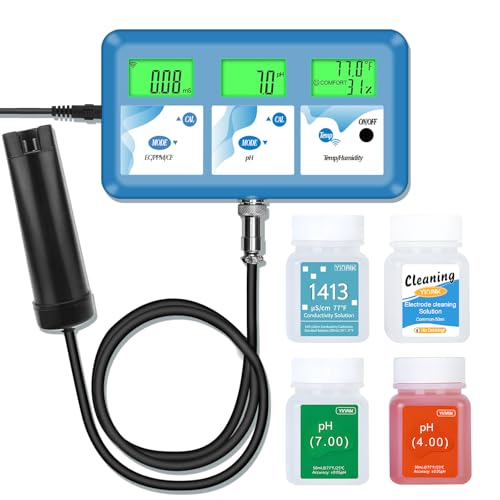
Hydroponic ppm pH Monitor, WiFi 6 in 1 pH EC Meter for Hydroponics Growing System,Continuous Monitoring pH PPM EC CF Humidity Temp of DWC Grow System Water Reservoir Tank Aeroponic Garden Aquarium
✅6 in 1 pH EC PPM WIFI Monitor for hydroponic plants:YINMIK hydroponic nutrients monitor can give you accurate…
As an affiliate, we earn on qualifying purchases.
As an affiliate, we earn on qualifying purchases.
juice haze stability testing equipment
As an affiliate, we earn on qualifying purchases.
As an affiliate, we earn on qualifying purchases.