
To add back aroma with natural colors and flavors, choose botanical extracts like beetroot or turmeric that provide both vibrant hue and subtle scent profiles. These extracts not only enhance visual appeal but also bring authentic aromas that complement the flavor profile, creating a more balanced and appealing product. Carefully pairing these extracts with other ingredients ensures harmonious sensory experiences. Keep exploring how blending colors, aromas, and flavors can elevate your creations even further.
Key Takeaways
- Botanical extracts naturally provide aroma and flavor, restoring sensory depth alongside color in food products.
- Selecting the right extract enhances aroma and flavor compatibility, creating harmonious sensory profiles.
- Incorporating botanical extracts boosts product authenticity and appeals to consumers seeking natural, clean-label options.
- Combining natural colors with aroma-rich extracts offers a holistic approach to sensory enhancement.
- Proper application of botanical extracts ensures the added aroma complements visual appeal and overall product quality.

Have you ever wondered what makes your favorite foods look and taste appealing? It’s not just about the ingredients but also about the careful use of natural colors and flavors that enhance their overall appeal. One of the most fascinating aspects of this process is how botanical extracts play a vital role. These extracts are derived from plants, herbs, and fruits, offering vibrant colors without synthetic dyes. They bring a natural appeal that consumers increasingly seek, giving products a fresh and authentic look. But beyond appearance, botanical extracts can also contribute subtle flavors that deepen the sensory experience. When used thoughtfully, they can complement or even elevate the existing flavor profile of a product.
Botanical extracts enhance foods with natural colors and subtle flavors, creating authentic and appealing sensory experiences.
The key to successfully incorporating botanical extracts lies in understanding flavor pairing. Just like in cooking, where combining certain ingredients creates harmony, pairing natural colors with flavors requires finesse. You need to consider how the extract’s inherent aroma and taste will blend with other ingredients. For example, a hint of beetroot extract can add a rich red hue and earthy flavor that pairs beautifully with chocolate or berry flavors. Similarly, a splash of turmeric not only provides a warm yellow color but also complements spicy or savory profiles. Mastering flavor pairing with botanical extracts allows you to craft products that are visually appealing and tastefully balanced, satisfying both the eyes and the palate.
Using natural colors and flavors also aligns with current consumer preferences for clean-label products. They want transparency and authenticity, which synthetic additives often lack. Botanical extracts offer a solution by providing natural alternatives that are both safe and effective. When you select the right extracts and pair them skillfully with your ingredients, you create a product that feels genuine and wholesome. This approach not only boosts the product’s visual appeal but also enhances its aroma and flavor complexity, making each bite or sip more memorable. Additionally, understanding the cognitive effects of certain extracts can help in designing products that promote mental clarity and overall well-being.
Incorporating botanical extracts into your recipes isn’t just about aesthetics; it’s about crafting an experience. The subtle aroma they bring can evoke emotions and memories, adding depth beyond what synthetic flavors can provide. When you understand flavor pairing, you can experiment confidently, blending colors and aromas to achieve harmony. Whether you’re making confections, beverages, or savory dishes, the careful use of botanical extracts allows you to add back natural aroma and flavor in a way that’s both appealing and trustworthy. Ultimately, it’s about elevating your creations so they’re not only beautiful but also truly delicious and authentic.

Watkins Assorted Food Coloring, 1 Each Red, Yellow, Green, Blue, Total Four 0.3 oz bottles, 4 Count (Pack of 1)
Derived from pure vegetable juices and spices including beet juice, turmeric and spirulina extract.
As an affiliate, we earn on qualifying purchases.
As an affiliate, we earn on qualifying purchases.
Frequently Asked Questions
Are Natural Colors and Flavors More Expensive Than Artificial Alternatives?
Yes, natural colors and flavors tend to be more expensive than artificial alternatives. You’ll notice a higher cost comparison because natural ingredients often require more processing and sourcing, which increases production expenses. Consumers perceive natural options as healthier and more authentic, justifying the premium price. So, while they cost more, many are willing to pay for the perceived quality and better consumer perception of natural products.
How Long Do Natural Colors and Flavors Typically Last?
Natural colors and flavors usually last between a few months to two years, depending on their storage. Think of them as delicate flowers—best kept in cool, dark places. Proper storage guidelines are key to maintaining shelf stability. If stored correctly, they stay vibrant and flavorful longer. However, exposure to heat, light, or air can shorten their lifespan, so handle them with care to preserve their natural essence.
Can Natural Flavors Be Allergenic or Cause Sensitivities?
Yes, natural flavors can cause allergy concerns or sensitivity reactions in some people. You might experience symptoms like skin irritation, digestive issues, or respiratory problems if you’re sensitive or allergic to certain natural ingredients. Always read labels carefully, and if you have known allergies, consult your healthcare provider before trying new products with natural flavors. Being cautious helps you evade unwanted sensitivity reactions and ensures your safety.
Are There Regional Differences in Natural Color and Flavor Sources?
Think of natural colors and flavors as a tapestry woven from regional sourcing and cultural preferences. Yes, there are regional differences, reflecting local ingredients and traditions. You’ll find that sourcing varies widely—what’s prized in one place might not be in another. These choices shape the unique palette of natural products, honoring cultural preferences and ensuring authenticity. Embrace these differences, as they tell a story of heritage and natural diversity you can taste and see.
How Do Natural Colors and Flavors Impact Product Shelf Life?
Natural colors and flavors can enhance your product’s shelf life by improving oxidation stability and offering preservative effects. They help prevent spoilage caused by oxidation, keeping your product fresher longer. Additionally, their natural preservative qualities can reduce the need for artificial additives, which appeals to health-conscious consumers. By choosing stable natural ingredients, you guarantee your product maintains quality, flavor, and appearance throughout its shelf life.
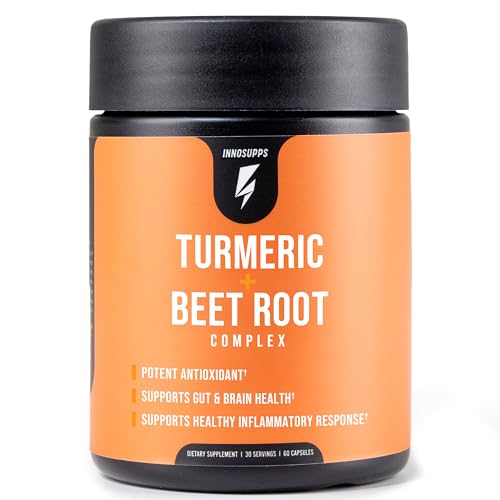
Inno Turmeric + Beet Root – Curcumin Turmeric Powder with Black Pepper & Beet Root Supplement – Supports Digestive Health, Circulation, Bone & Brain Health, Energy and Daily Wellness (60 Capsules)
POWERFUL TURMERIC AND BEET FORMULA: Combines turmeric extract and beet root extract into one advanced formula designed to…
As an affiliate, we earn on qualifying purchases.
As an affiliate, we earn on qualifying purchases.
Conclusion
As you explore the world of natural colors and flavors, you realize there’s more than meets the eye. Adding back aroma isn’t just about taste—it’s about revealing secrets hidden deep within nature’s offerings. What other surprises could these natural ingredients hold? The journey isn’t over; it’s only just beginning. Stay curious, because the next discovery might change how you see—and taste—the world forever. Are you ready to uncover what’s truly possible?
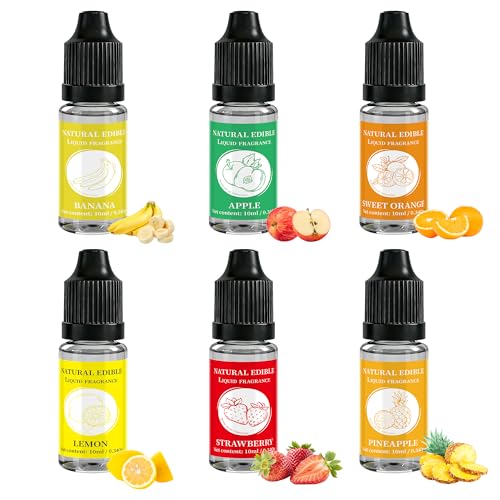
Natural Food Flavoring Oil – Concentrated Candy Flavors, Suitable for Candy, Baking, Drinks and Smoothies Highly Concentrated, Food Grade, Naturally Extracted, Water-Soluble and Oil-Soluble – 0.34 Fl Oz (10ml) *6 (Fruit-flavored set)
Natural food flavoring agent – 6 Assorted Fruit Flavors: 6 classic natural fruit flavors (10ml each) – Strawberry,…
As an affiliate, we earn on qualifying purchases.
As an affiliate, we earn on qualifying purchases.
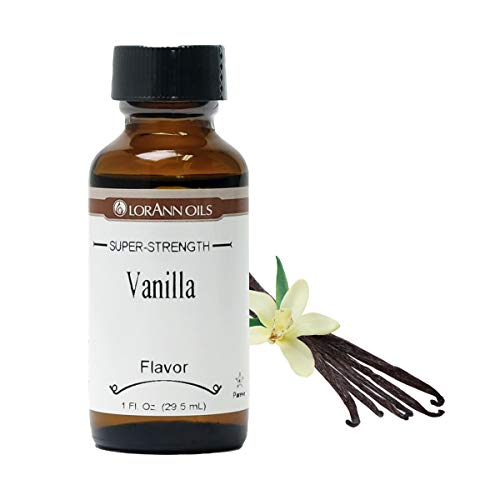
LorAnn Oils Super Strength Flavoring – Used For Candy Making, Flavoring Extracts, Baking, Hard Candy, and Flavor Oils – Bold, Natural Flavors 4X Stronger Than Extracts – Vanilla, 1 fl oz
3-4 times the strength of a vanilla extract, our vanilla flavor is intended to flavor chocolate. Your melted…
As an affiliate, we earn on qualifying purchases.
As an affiliate, we earn on qualifying purchases.