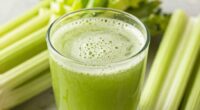
Many overlook how delicate leafy greens are during juicing, which leads to nutrient loss and cleaning headaches. To fix this, use a cold-press juicer to preserve nutrients and prepare greens by rinsing thoroughly. Feed greens slowly to avoid clogging and strain the machine. Afterward, clean parts immediately to prevent fiber buildup. Keep these tips in mind, and you’ll unleash the full potential of your greens—more helpful details await if you keep going.

Get kitchen staples and gadgets delivered free — and shop member deals
- Fast, free delivery on millions of items
- Access to Prime Big Deal Days deals on October 6–7
- Prime Video, Amazon Music and more included
Key Takeaways
- Leafy greens often slip through filters, so using a juicer with a fine-mesh or adjustable filter can prevent waste.
- Pre-wash and briefly soak greens to loosen fibers, reducing clogging and improving juice extraction.
- Incorporate a gentle, slow feeding technique to minimize nutrient loss and avoid overloading the juicer.
- Clean all parts immediately after juicing with warm water and brushes to prevent fiber buildup and mold growth.
- Opt for cold-press or masticating juicers, which better preserve nutrients and handle leafy greens more effectively.

If you’ve ever tried to juice leafy greens, you know it can be more challenging than other produce. These delicate greens tend to slip through filters or clog up your juicer, making the process frustrating. One of the biggest issues you might face is nutrient loss. When you’re struggling to extract juice from leafy greens, some nutrients can degrade or escape, reducing the health benefits you’re after. Heat, oxygen, and prolonged processing all contribute to this nutrient loss, especially if you’re not using the right technique or equipment. Additionally, leafy greens are notorious for creating cleaning challenges. Their fine, fibrous texture can stick to juicer parts, and tiny bits can be hard to remove, leading to buildup and potential mold if not cleaned thoroughly. This makes maintenance more time-consuming and discourages regular use, defeating the purpose of incorporating fresh greens into your diet. Choosing the right juicer can significantly impact your nutrient preservation and ease of cleaning.
Juicing leafy greens risks nutrient loss and cleaning challenges without proper techniques and maintenance.
To minimize nutrient loss, you want to prioritize quick, efficient juicing methods. Avoid over-processing greens or exposing them to excessive heat, which can break down delicate nutrients like vitamin C and chlorophyll. Use a cold-press or masticating juicer whenever possible, as these tend to preserve more nutrients than centrifugal models. Also, prepare your greens properly: wash them thoroughly to remove dirt and pesticides, and consider steaming or soaking briefly to soften them, which can improve juice extraction without damaging nutrients. When juicing, feed the greens gradually to reduce strain on the machine and maximize yield, ensuring you get the most nutrients possible from your produce.
Cleaning challenges can be tackled with some simple strategies. Immediately after juicing, rinse all parts with warm water to prevent fiber and pulp from drying and sticking. Use a brush or soft sponge to clean hard-to-reach areas, especially around the mesh or filter. Consider using a mixture of water and vinegar or lemon juice periodically to break down stubborn residue and eliminate odors. Regular maintenance not only prolongs your juicer’s life but also ensures you’re not losing nutrients due to bacterial buildup or mold. If cleaning feels overwhelming, look for juicers with easier disassembly and dishwasher-safe parts, which can save you time and effort.
Ultimately, tackling these common issues involves a combination of proper technique and diligent maintenance. By understanding how nutrient loss occurs and simplifying cleaning routines, you’ll enjoy more nutritious, delicious green juices and keep your juicer in top condition for years to come.
cold press juicer for leafy greens
As an affiliate, we earn on qualifying purchases.
As an affiliate, we earn on qualifying purchases.
Frequently Asked Questions
How Can I Prevent Leafy Greens From Clogging the Juicer?
To prevent leafy greens from clogging your juicer, start with proper leafy green preparation by removing thick stems and chopping leaves into smaller pieces. Regular juicer maintenance is essential—clean your juicer thoroughly after each use and check for blockages. Additionally, feed greens gradually and alternate with other fruits or vegetables to keep the flow smooth. This approach minimizes clogging and keeps your juicer running efficiently.
What Types of Leafy Greens Are Best for Juicing?
Your juicing game can reach legendary levels with kale, spinach, and Swiss chard, which are top-tier leafy greens varieties. They pack an incredible punch of juicing nutrient content, making your smoothies both delicious and nutritious. Opt for fresh, tender leaves for easier juicing and better flavor. These greens not only blend seamlessly but also maximize health benefits, turning your juice into a powerhouse of significance.
How Do I Clean My Juicer After Leafy Green Juicing?
After juicing leafy greens, you should immediately disassemble your juicer and use cleaning tools like a brush or sponge to remove pulp and residue. Focus on pulp disposal in the pulp container and rinse all parts thoroughly with warm water. For stubborn buildup, run a mixture of water and a little vinegar through the juicer. Dry all parts well before reassembling to prevent mold and guarantee ideal performance.
Can I Juice Frozen Leafy Greens Safely?
Yes, you can juice frozen greens safely. Just make sure to thaw them slightly for easier juicing. Using frozen greens helps retain nutrients, so you get more health benefits. Keep in mind that frozen leafy greens may be a bit more challenging to juice, but they’re still a great option if you want to preserve nutrients and enjoy a convenient, nutritious drink. Always clean your juicer thoroughly afterward.
What’s the Ideal Juicing Speed for Leafy Greens?
Think of juicing efficiency as a dance—finding the perfect rhythm. For leafy greens, set your juicer to a slow or medium speed to maximize juice extraction without damaging delicate fibers. Selecting fresh, tender leafy greens also boosts effectiveness. You’ll get more nutrients and smoother juice. Adjust your speed based on the greens’ texture, but generally, a gentle pace ensures you preserve quality and achieve ideal results.
Conclusion
So, after all this talk about leafy greens clogging your juicer, you’d think it’d be obvious to just skip them, right? Yet, here you are, still battling the mess, pretending it’s not a big deal. Ironically, the very healthy veggies you crave are the ones making your machine malfunction. Maybe the real fix isn’t the juicer—it’s accepting that some greens just aren’t worth the fight. Sometimes, health comes with a little extra hassle.
NFL season / tailgating Picks
team gear
As an affiliate, we earn on qualifying purchases.