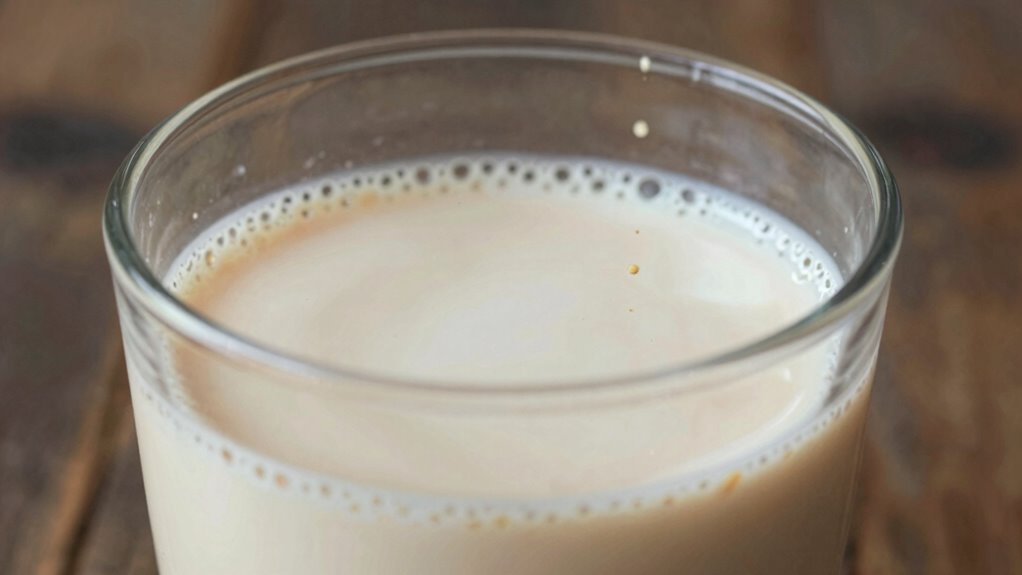

The main cause of slimy oat milk is over-blending your oats, which releases too much starch and creates an unpleasant, mucilaginous texture. To prevent this, blend just enough to break down the oats without overdoing it, and strain the mixture immediately to remove excess pulp. Using the right water ratio and proper straining techniques also help. Keep these tips in mind, and you’ll discover how to perfect your oat milk for a smooth, creamy finish.
Listen free for 30 days with Audible
Thousands of audiobooks and originals — cancel anytime.
As an affiliate, we earn on qualifying purchases.
Key Takeaways
- Over-blending releases excessive oat starch, leading to slimy oat milk.
- Using too much water makes filtering difficult and increases sliminess.
- Not straining the milk immediately after blending allows starch to settle and worsen texture.
- Blending for longer than necessary breaks down oats excessively, causing mucilaginous consistency.
- Failing to properly strain the mixture leaves residual pulp, contributing to sliminess.
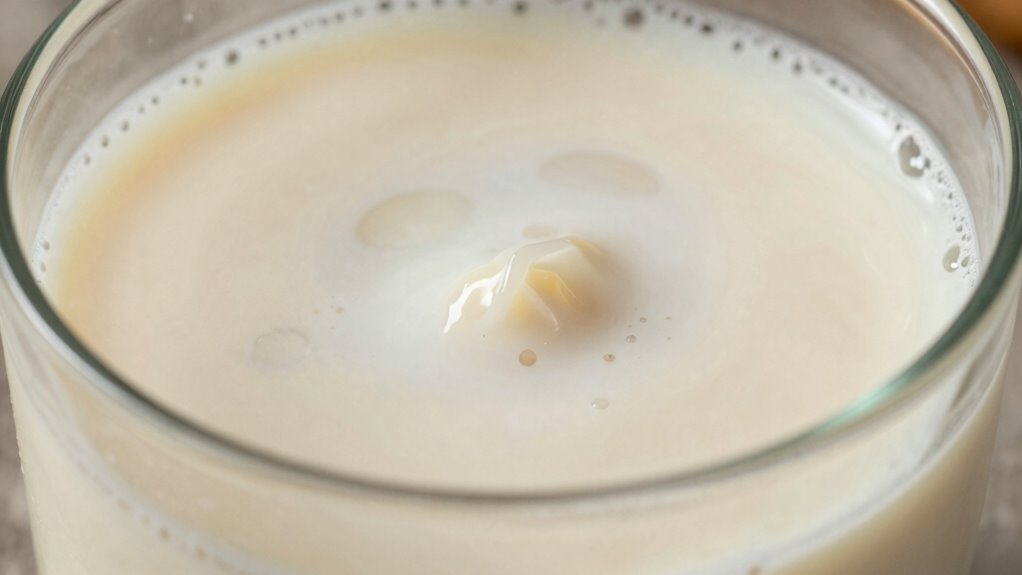
Everyone has experienced a food or drink mishap, but the recent oat milk fail has surprised even the most optimistic enthusiasts. If you’re exploring plant-based alternatives or trying to perfect dairy free recipes, you know how frustrating it can be when your carefully prepared beverage turns slimy instead of smooth. The mistake is often simple but impactful: over-blending the oats or using too much liquid. This common error leads to a texture that’s unpleasant and hard to fix, especially when you’re counting on oat milk to elevate your dairy free recipes like smoothies, coffee, or baking.
When making oat milk at home, the temptation to blend longer for creaminess can backfire. Over-blending releases too much starch from the oats, which creates that slimy, mucilaginous consistency. It’s a quick fix to assume that blending longer equals better, but in this case, patience is key. Instead, blend just enough to break down the oats, and then strain thoroughly. Using a fine nut milk bag or a cheesecloth ensures you remove the excess pulp, reducing the chances of that slimy texture from developing. Remember, the goal is to extract liquid without overdoing it.
Blend just enough to break down the oats, then strain thoroughly to avoid slimy oat milk.
Another mistake that contributes to a slimy oat milk is adding too much water initially. While it might seem logical to dilute the oats with more liquid, excess water can make it harder to strain and increase the likelihood of a gummy texture. For perfect results, stick to a 1:4 ratio of oats to water, or even less if you prefer a creamier consistency. After blending, strain immediately—don’t let the mixture sit around, as that can cause the starch to settle and create that undesirable sliminess.
If your oat milk ends up slimy despite following best practices, there are quick remedies. Rinsing the strained milk through a fine mesh can help remove residual starch. Additionally, adding a pinch of salt or a splash of vanilla during blending can improve flavor and sometimes counteract the slimy feel. Keep in mind, this mistake isn’t just about the texture; it also affects the taste, making your dairy free recipes less appealing. Proper preparation guarantees your plant based alternatives remain smooth, delicious, and perfectly suited for your favorite recipes.
In essence, understanding the root cause—over-blending or excess water—helps you avoid the slimy pitfalls. When you master these simple steps, your homemade oat milk will complement your dairy free recipes beautifully, making plant-based eating a more enjoyable experience.
fine nut milk bag for straining oat milk
As an affiliate, we earn on qualifying purchases.
As an affiliate, we earn on qualifying purchases.
Frequently Asked Questions
Can Adding Sweeteners Improve Oat Milk’s Texture?
Adding sweeteners can improve oat milk’s texture by providing slight thickness and creaminess, which enhances overall mouthfeel. The sweetener effects help to mask any sliminess and create a smoother, more enjoyable drink. Just be cautious not to add too much, as excess sweetness can alter flavor and consistency negatively. A small amount of natural sweetener, like honey or agave, can make a noticeable difference in texture enhancement.
Is Store-Bought Oat Milk More Consistent Than Homemade?
Think of store-bought oat milk as a seasoned sailor, steering the seas of consistency with experience. It’s generally more reliable because manufacturers control oat soaking times and blending speed, ensuring uniform quality. When you make it at home, variables like soaking duration and blending speed can cause inconsistencies, making your homemade version unpredictable. So, if you crave reliability, store-bought options often provide a steadier, more consistent experience.
Does the Type of Oats Affect the Sliminess?
Yes, the type of oats affects the sliminess of your oat milk. Grain variety plays a role—some oats naturally produce a creamier, less slimy texture. Additionally, soaking duration influences the outcome; longer soaking can release more starch, increasing sliminess. To avoid this, choose less starchy oats like steel-cut or gluten-free options and soak them just enough to blend smoothly, typically 15-30 minutes.
How Does Temperature Influence Oat Milk’s Consistency?
Temperature fluctuations greatly impact oat milk’s consistency. When you heat or cool it abruptly, it can cause the liquid to become slimy or curdle. To avoid this, make sure you use proper mixing techniques, like gradually warming or cooling the milk. Stir well and avoid sudden temperature changes. Keeping the temperature stable helps maintain a smooth, creamy texture, preventing that undesirable slimy feel.
Are There Specific Brands Known for Thicker Oat Milk?
Imagine a velvet curtain draping your coffee—certain brands like Oatly and Califia offer thicker oat milk options. These brands often boast richer nutritional content and use packaging differences to preserve creaminess. You’ll find that choosing those with added fats or stabilizers creates a luxurious, velvety texture. So, when seeking thicker oat milk, look for brands emphasizing creaminess on the label and consider their packaging to guarantee freshness and quality.
Conclusion
Think of making oat milk like tending a delicate garden. One careless mistake — like rushing or overheating — can turn your harvest slimy and unkind. Just as a gardener carefully nurtures each plant, you need patience and attention to detail. When you get it right, your oat milk blossoms into a smooth, creamy delight. So, treat your kitchen like sacred soil, and watch your oat milk flourish, free from the slimy weeds of error.
Flea & tick season Picks
flea and tick prevention
As an affiliate, we earn on qualifying purchases.