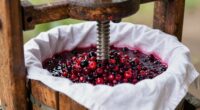
To protect your fruit’s flavor when using a hydraulic juice press, maintain the pressure between 300 and 600 PSI. Applying too much pressure can crush seeds and pulp, releasing bitter compounds and damaging delicate flavors. Too little pressure won’t extract enough juice, reducing your yield. Adjust the pressure based on your fruit type for best results. Staying within this range helps preserve fresh taste and maximize juice quality—exploring further will give you even more useful tips.

Get kitchen staples and gadgets delivered free — and shop member deals
- Fast, free delivery on millions of items
- Access to Prime Big Deal Days deals on October 6–7
- Prime Video, Amazon Music and more included
Key Takeaways
- Maintain pressure between 300 and 600 PSI to ensure optimal juice extraction without damaging fruit flavors.
- Adjust pressure based on fruit type and ripeness to protect delicate aromas and prevent bitterness.
- Over-pressing can crush seeds, releasing bitter compounds; under-pressing reduces juice yield.
- Regularly calibrate pressure gauges for accurate force control during pressing cycles.
- Monitor and modify pressure settings to balance maximum yield with flavor preservation.
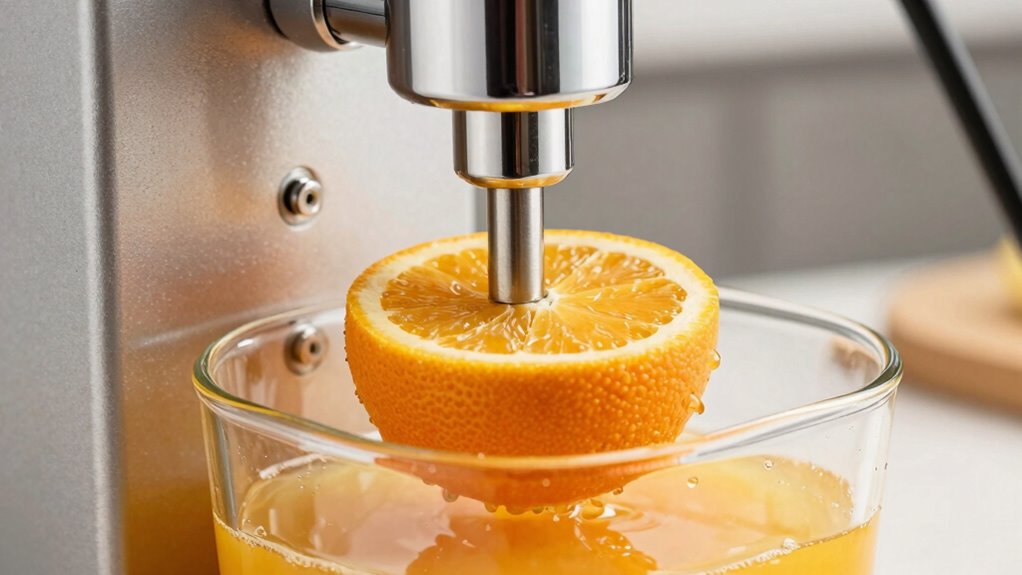
Have you ever wondered how large quantities of juice are extracted efficiently and safely? When it comes to hydraulic juice presses, mastering pressing efficiency is crucial. These machines rely on applying the right amount of pressure to extract maximum juice without damaging the fruit’s delicate flavors. To optimize this process, you need to understand the ideal pressure range that preserves the fruit’s integrity while ensuring a high yield. Too much pressure can crush seeds and pulp, releasing bitter compounds, while too little won’t extract enough juice. Striking the perfect balance is key. Most hydraulic presses operate within a specific pressure range—often between 300 to 600 PSI—designed to optimize juice extraction without compromising quality. Adjusting the pressure within this range, based on fruit type and ripeness, ensures you get the best flavor and yield. Monitoring pressure and adjusting it during the pressing cycle help maintain optimal extraction and flavor preservation.
Maintaining your hydraulic juice press properly is essential for consistent pressing efficiency. Regular maintenance tips include checking hydraulic fluid levels and replacing them as recommended by the manufacturer to prevent pressure inconsistencies. Keep the hydraulic system free of leaks, which can lead to uneven pressure application and reduce overall efficiency. Also, inspect the pressing plates and seals for wear and tear, replacing parts promptly to avoid operational hiccups. Clean the machine thoroughly after each use, removing pulp and residue that could clog valves or affect hydraulic performance. Lubricating moving parts regularly helps prevent rust and ensures smooth operation, extending the lifespan of your equipment. Calibration is another vital step—periodically verify the pressure gauges to make sure they’re accurate. Proper calibration guarantees that you’re applying the correct amount of force during pressing, maintaining both efficiency and fruit quality.
Additionally, understanding the pressure range that protects flavor involves paying close attention to the fruit’s characteristics. For softer fruits like berries, lower pressures are typically sufficient, whereas firmer fruits like apples or pears might require higher pressures. Using the correct pressure not only maximizes juice yield but also preserves the delicate aroma and taste of the fruit. Over-pressing can cause undesirable bitterness or cloudiness, while under-pressing leaves valuable juice behind. Monitoring and adjusting the pressure throughout the pressing cycle is vital to achieving an optimal balance.
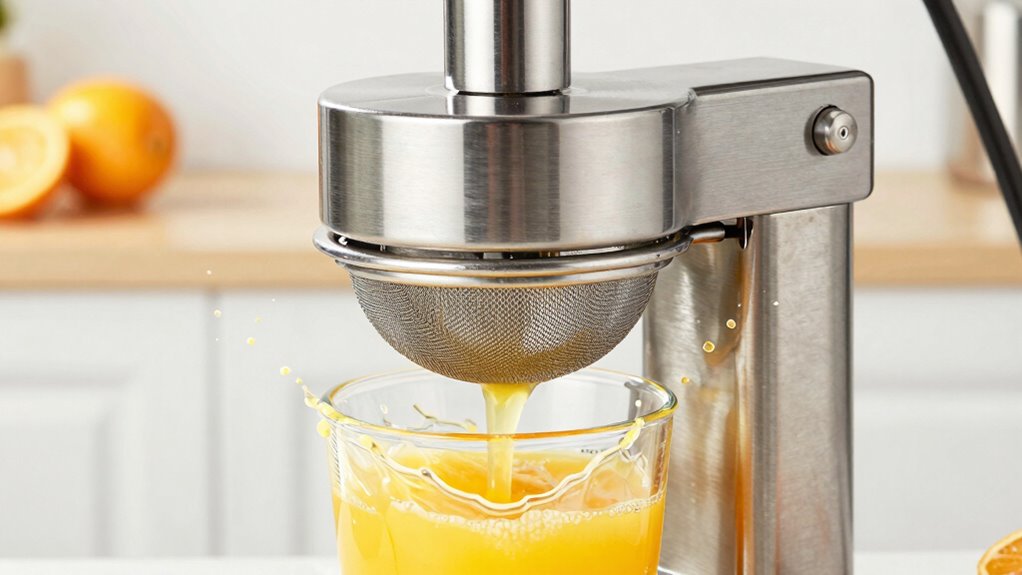
hydraulic juice press with pressure gauge
As an affiliate, we earn on qualifying purchases.
As an affiliate, we earn on qualifying purchases.
Frequently Asked Questions
How Does Pressure Impact Juice Extraction Efficiency?
You’ll find that pressure directly impacts juice extraction efficiency by influencing pressure consistency and extraction speed. Applying ideal pressure ensures you extract maximum juice without damaging delicate flavors, while inconsistent pressure can lead to uneven results. Increasing pressure too much may speed up extraction but risks flavor loss. Maintaining a controlled, steady pressure helps you achieve efficient extraction, preserving flavor and maximizing yield without compromising quality.
What Materials Are Best for Hydraulic Juice Press Components?
Like the sturdy oak withstands storms, you need durable materials for your hydraulic juice press components. Stainless steel and high-grade aluminum excel due to their material durability and resistance to corrosion. These materials guarantee component compatibility under high pressure, preventing leaks or failure. Choosing the right materials not only prolongs your press’s lifespan but also maintains peak performance, protecting the delicate flavors of your juice while handling the rigors of extraction.
Can Pressure Adjustments Be Automated During Pressing?
Yes, you can automate pressure adjustments during pressing using pressure sensors and automation controls. These sensors monitor real-time pressure levels and send data to control systems that automatically adjust the hydraulic pressure. This guarantees ideal juice extraction while protecting flavor. With automation, you avoid manual tweaking, maintain consistent quality, and maximize efficiency, making the pressing process more precise and reliable.
How Does Temperature Affect Hydraulic Juice Pressing?
Temperature control plays a vital role in hydraulic juice pressing because it affects thermal expansion, which can influence juice quality. When you maintain ideal temperature levels, you prevent excessive expansion of components, ensuring consistent pressure and flavor preservation. Too high or too low temperatures can compromise juice integrity, so you should monitor and adjust temperature carefully during pressing. This helps protect the delicate flavors and yields the best quality juice.
What Safety Features Are Essential in Hydraulic Juice Presses?
You should prioritize safety mechanisms like emergency shutoffs on your hydraulic juice press, even if you’re confident in its operation. These features prevent accidents and protect you from unexpected issues. Make certain your press has reliable emergency shutoffs, pressure release valves, and safety guards. Regular maintenance and clear instructions also boost safety. These precautions help you operate smoothly and confidently, minimizing risks and ensuring the integrity of both your equipment and your juice.
Conclusion
By understanding the pressure range that preserves flavor, you guarantee every squeeze delivers the best taste, the perfect texture, and the freshest juice. Knowing the right pressure protects the fruit’s essence, preserves its nutrients, and maximizes its flavor. When you master these basics, you optimize your press, enhance your juice, and elevate your experience. With the right pressure, you enjoy better flavor, better nutrition, and better satisfaction—because quality starts with knowing the right pressure.
NFL season / tailgating Picks
team gear
As an affiliate, we earn on qualifying purchases.