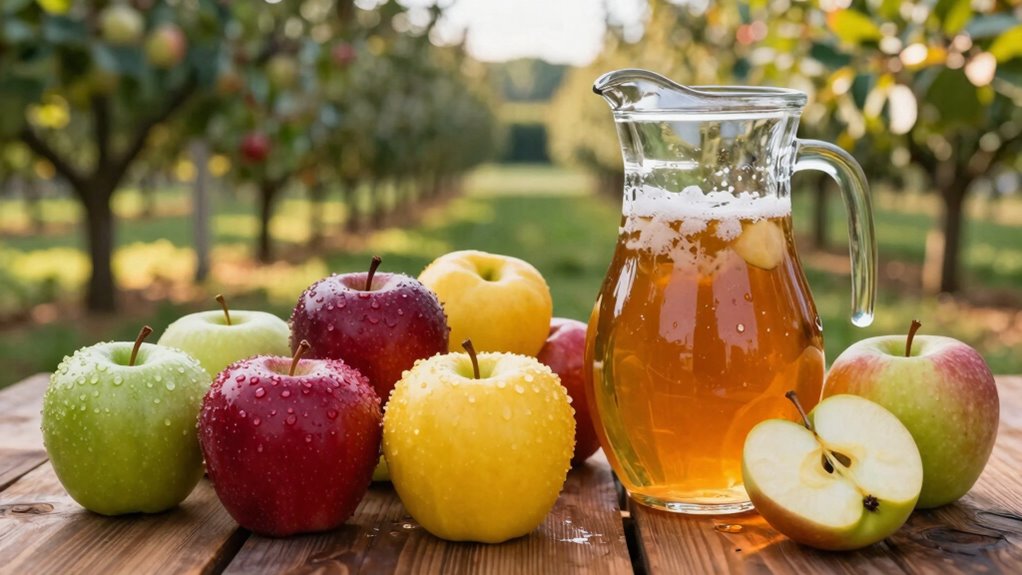

Apple juice varies with the type of apples you use and when you harvest them because different varieties have unique flavors, levels of sweetness, and natural pigments. Early-harvested apples tend to produce sharper, clearer juice, while later harvests result in sweeter, more opaque juices with richer color. Ripeness also affects nutrients, flavor, and clarity. If you want to understand how these factors shape your juice’s taste and appearance, keep exploring these natural influences.
Key Takeaways
- Different apple varieties have unique flavor profiles that directly influence juice taste and aroma.
- Harvest timing affects sugar, acid, and pigment levels, altering juice sweetness, tartness, and clarity.
- Early-harvested apples produce clearer, more acidic juice, while later harvests yield sweeter, cloudier juice.
- Natural variations in pigments and pectin content due to ripeness impact juice appearance and texture.
- Harvest timing determines apple chemistry, influencing nutritional value and overall flavor profile of the juice.
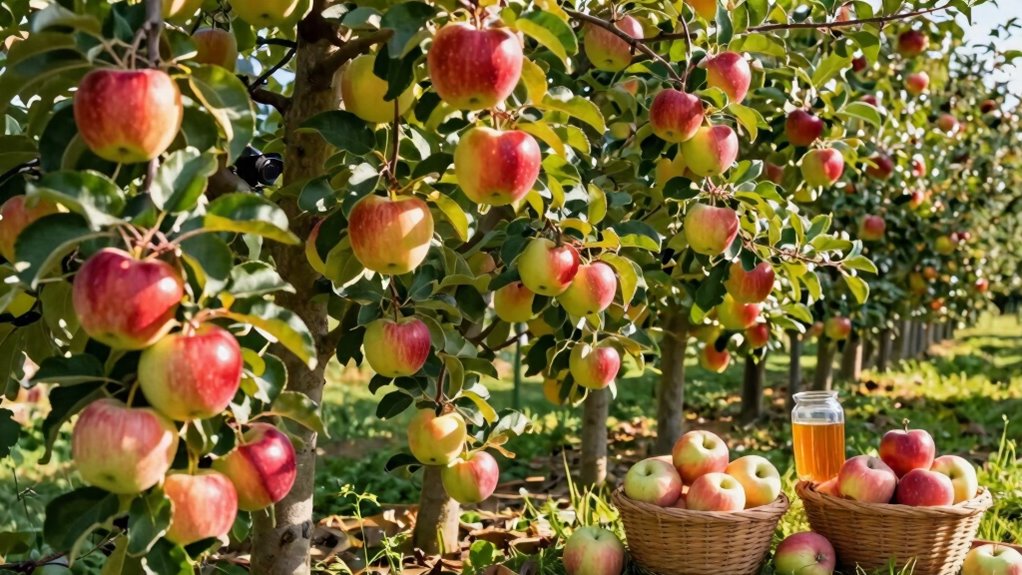
When you choose apple juice, you might notice it varies in flavor, clarity, and sweetness depending on the apple variety and harvest time. This variation isn’t accidental—it’s rooted in the unique apple flavor profiles and how harvest timing influences the fruit’s characteristics. Different apple varieties possess distinct flavor profiles, ranging from tart and tangy to sweet and mellow. For example, a crisp Granny Smith delivers a sharp, refreshing taste, while a Honeycrisp offers a balanced sweetness with a hint of tartness. These intrinsic differences directly impact the juice’s flavor, making each bottle a reflection of the specific apples used.
Apple juice flavor, clarity, and sweetness vary based on apple variety and harvest timing, reflecting the fruit’s unique characteristics.
Harvest timing effects play a crucial role in shaping the final product. Apples harvested early tend to be firmer, more acidic, and less sweet, which can result in a sharper, more tart juice. Conversely, later-harvested apples usually develop higher sugar content and a more mellow flavor, leading to sweeter, smoother juice. The timing of the harvest determines the ripeness and sugar levels within the fruit, which in turn influence the juice’s overall flavor profile. If apples are picked too early, the juice might lack sweetness and richness; if harvested too late, it could be overly sweet or even start to ferment, affecting clarity and taste.
You also need to consider how these factors affect clarity. Apples harvested at different times contain varying levels of natural pigments, acids, and sugars, which influence how clear or cloudy the juice appears. Early-harvested apples might produce a clearer juice because of lower sugar and pigment levels, while late harvests can result in a more opaque product due to higher pigment concentrations and natural pectin. This natural variation isn’t a flaw but a reflection of the apples’ ripeness and the harvest timing effects. Additionally, pectin levels can impact the cloudiness of the juice, contributing to its texture and appearance. The natural pigments present in apples also influence the visual appeal of the final product.
Furthermore, the harvest timing impacts the nutritional content of the juice, affecting not only flavor and clarity but also health benefits. In essence, the differences you notice in apple juice—from flavor and sweetness to clarity—are directly tied to the specific apple varieties and when they’re harvested. Each decision made during harvest influences the apple’s internal chemistry, shaping the apple flavor profiles that ultimately define the juice. Knowing this, you can better appreciate the diversity in apple juice and select varieties that match your taste preferences, understanding that these variations are a natural part of the fruit’s growth cycle.
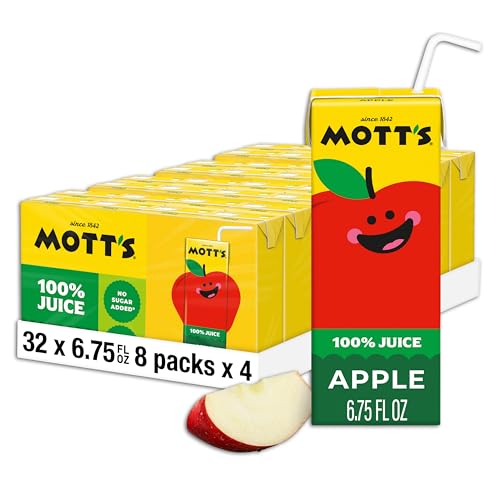
Mott's 100% Original Apple Juice, 6.75 Fl Oz Boxes, 32 Count (4 Packs Of 8), 2 Servings Of Fruit, 100% Fruit Juice, Gluten-free, Caffeine-free, Kosher, Contains No Artificial Colors Or Sweeteners
- Pure Apple Juice: Made from fresh-pressed apples and concentrate
- Delicious Flavor: Fresh orchard apple taste loved by families
- Healthy Choice: Provides 2 servings of fruit per cup
As an affiliate, we earn on qualifying purchases.
As an affiliate, we earn on qualifying purchases.
Frequently Asked Questions
How Does Climate Affect Apple Juice Flavor?
Climate variability and harvest timing profoundly influence apple juice flavor. Warmer temperatures can intensify sweetness, while cooler weather might enhance tartness. If harvest is early due to climate shifts, the juice may taste less sweet and more tart. Conversely, later harvests often yield apples with richer flavors. You’ll notice these subtle differences in your apple juice, reflecting how climate variability and precise harvest timing shape the final taste.
Are Organic Apples Used for Premium Apple Juices?
Yes, premium apple juices often use organic apples. These apples carry organic certification, ensuring they’re grown without synthetic pesticides or fertilizers. During the harvest season, farmers select the best organic apples to craft high-quality juice. You’ll notice that organic apples contribute to a richer, more authentic flavor, as they’re harvested at peak ripeness and handled carefully. This dedication to quality makes organic apple juice a popular choice among discerning consumers.
Can Storage Methods Alter Apple Juice Quality Over Time?
Storage methods can greatly influence apple juice quality over time. Think of your juice as a delicate melody, where fermentation effects and storage temperature are the rhythm and tempo. Keeping it at the right temperature preserves its freshness and flavor, while improper storage accelerates fermentation, dulling its vibrancy. You control this harmony—by maintaining ideal storage conditions, you guarantee your apple juice stays true to its crisp, sweet symphony longer.
What Additives Are Common in Commercial Apple Juices?
In commercial apple juices, you’ll often find additives like flavor enhancement agents to boost taste and additive preservatives to extend shelf life. These ingredients help maintain consistent flavor and prevent spoilage during storage and transportation. While they guarantee the juice stays fresh and appealing, it’s good to check labels if you prefer products with fewer additives. Understanding these common additives can help you make more informed choices about the juices you enjoy.
How Do Different Apple Varieties Impact Nutritional Content?
Ever wonder how your apple juice can taste so different? Well, the apple variety directly impacts its nutritional variation. Some varieties, like Fuji or Gala, are higher in antioxidants and vitamin C, while others may have more fiber or natural sugars. The specific apple variety determines the nutrient profile, so choosing different types can boost your intake of essential nutrients and make your juice both delicious and healthful.
Conclusion
So, next time you sip that glass of apple juice, remember—what you’re tasting isn’t just a simple fruit drink. It’s a complex blend that changes with every variety and harvest time. Ironically, the more you think you know about apple juice, the more you realize it’s a fleeting snapshot of nature’s ever-changing artistry. So, enjoy it now, because tomorrow’s batch might just surprise you in ways you never expected. Cheers to the unpredictable charm of apple juice!