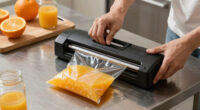
Meal-prep juicing saves you time when you prepare juices in advance, store them properly in airtight, opaque containers, and consume within 24 to 48 hours. It’s effective if you balance quick prep with good storage, but it can be counterproductive if nutrients degrade or flavors fade. Proper handling is key to maintaining freshness and nutrition. To learn more about optimizing your juicing routine, keep exploring how to make it work best for you.
Key Takeaways
- Meal-prep juicing saves time when batching juices in advance and storing them properly for quick access later.
- It may not save time if extensive cleaning and chopping outweigh the convenience of pre-made juices.
- Consuming juices within 24-48 hours maximizes freshness, making prep more worthwhile.
- Juicing immediately before consumption offers maximum nutrients but less time-saving benefit.
- Proper storage techniques, like using dark, airtight containers, are essential to maintain juice quality over time.
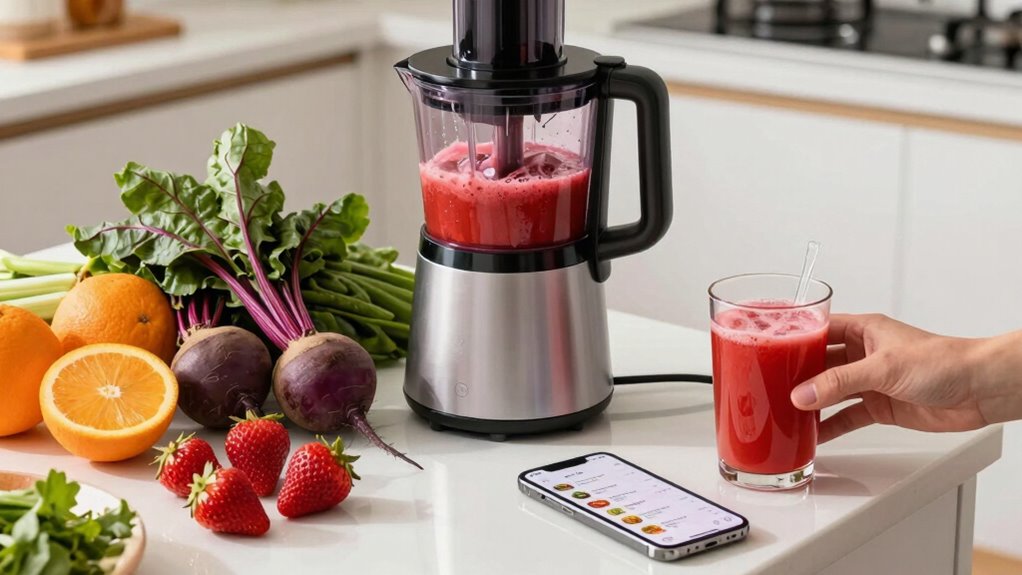
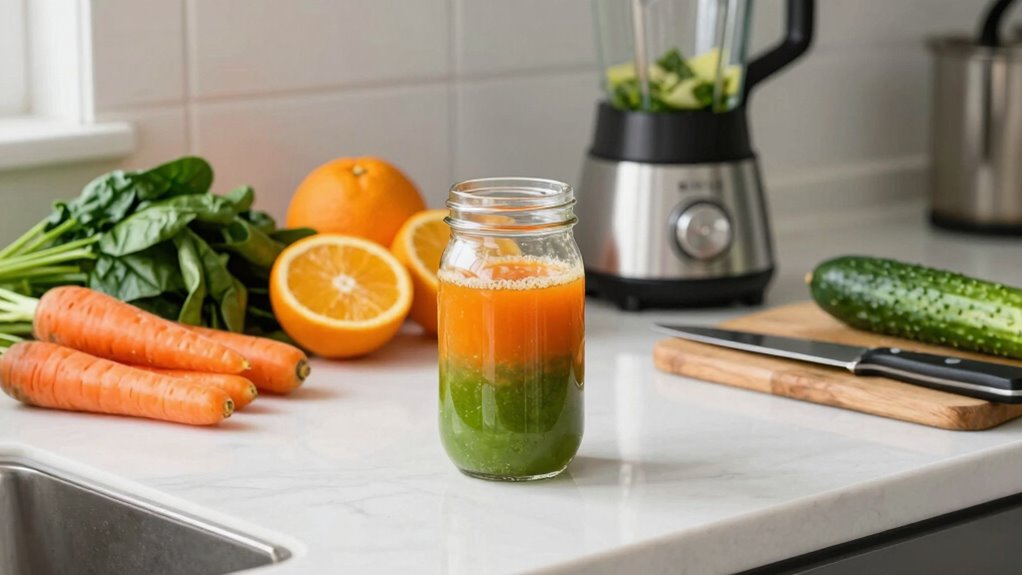
Have you ever considered how meal-prep juicing can simplify your busy routine while boosting your health? It’s a smart way to guarantee you get your daily dose of fruits and vegetables without the hassle of preparing fresh produce every day. When you plan ahead, you can batch your juices in advance, saving you time during hectic mornings or long workdays. However, to truly benefit from meal-prep juicing, you need to understand juicing storage and nutrient preservation. These factors determine whether your pre-made juices stay fresh and nutritious until you’re ready to drink them.
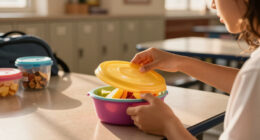
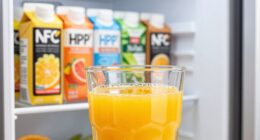
Juicing storage is essential because improperly stored juice can quickly spoil or lose its flavor. To maximize shelf life, invest in airtight containers, preferably glass bottles or jars, which prevent chemical leaching and maintain freshness. Keep your juices refrigerated immediately after preparation, ideally consuming them within 24 to 48 hours. If you’re planning to prepare juices for the week, consider portioning them into individual containers. This not only makes grabbing a quick drink easier but also minimizes exposure to air, which can accelerate spoilage. Remember, the longer juice sits, the more it can degrade in quality.
Use airtight glass containers and refrigerate to keep your juices fresh and flavorful longer.
Nutrient preservation is another key aspect. Freshly made juice contains vital vitamins, enzymes, and antioxidants that start to degrade once exposed to air, light, or heat. To preserve as many nutrients as possible, juice just before consumption whenever you can. When batching, store your juices in dark, opaque containers if possible, to block out light that accelerates nutrient loss. Also, avoid excessive agitation or stirring, as it can introduce oxygen and speed up oxidation. Some people add a splash of lemon juice to help preserve vitamin C, but the best way to retain nutrients is to juice fresh and store quickly. Additionally, understanding oxidation processes can help you better manage nutrient loss during storage. Utilizing proper storage techniques is crucial for maintaining the nutritional quality of your juices over time.
Despite these precautions, meal-prep juicing isn’t always a time-saver. If you spend too much time cleaning your equipment, chopping produce, and managing storage containers, the initial effort might outweigh the convenience. Additionally, if you don’t consume your juice within the recommended window, you risk losing nutrients and flavor, making the effort less worthwhile. For some, juicing in small batches right before drinking offers the freshest, most nutritious experience but sacrifices the time-saving benefits of prep work.
Ultimately, meal-prep juicing can be a great time-saver and health boost if you handle storage properly and prioritize nutrient preservation. But if you’re not careful, it can turn into more effort than it’s worth. The key is balancing preparation with freshness, so your juices remain both convenient and nutritious.

8 Pack 16OZ Glass Juice Bottles with 8 Airtight Lids & 2 Straw Lids & 2 Straws – Freezable Juice Container, Travel Juicing Jars, Drinking Water Cups – Reusable Tall Mason Jar for Tea, Juice, Smoothies
- Package Includes: 8 glass bottles with lids and straws
- Airtight Lids: 8 black lids for secure sealing
- Wide-Angled Straws: 2 stainless steel wide straws included
As an affiliate, we earn on qualifying purchases.
As an affiliate, we earn on qualifying purchases.
Frequently Asked Questions
How Long Can Prepped Juice Stay Fresh in the Refrigerator?
You can typically keep prepped juice fresh in the refrigerator for up to 24 to 48 hours. To maximize flavor preservation, use airtight storage containers that prevent air exposure. Make sure to fill the container tightly, leaving minimal space at the top. The quicker you consume it, the better the taste remains. After 48 hours, expect a decline in freshness and flavor, so it’s best to drink it sooner.
What Equipment Is Essential for Efficient Meal-Prep Juicing?
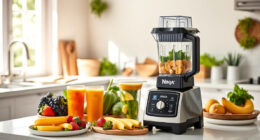
You need essential equipment like a high-quality juicer, sharp knives, and a cutting board to streamline your juicing process. Focus on proper juicing techniques to maximize yield and minimize waste. Regular equipment maintenance, such as cleaning your juicer thoroughly after each use, keeps it running efficiently and extends its lifespan. Investing in these tools and habits guarantees your meal-prep juicing remains quick, safe, and effective.
Can Juice Prep Be Scaled for Large Families or Groups?
Think of your juicing setup as a well-tuned orchestra. To scale for large families, you need to plan for batch freezing and precise portion control, like conducting different sections seamlessly. Using bigger juicers and prepping in bulk allows you to serve everyone efficiently, saving time and reducing waste. With careful organization, you turn a solo act into a full symphony that satisfies everyone’s taste buds.
How Do I Prevent Nutrient Loss During Storage?
To prevent nutrient degradation and preserve antioxidants during storage, you should store juice in airtight containers, preferably in the fridge. Fill containers to the top to minimize oxygen exposure, which accelerates nutrient loss. Avoid storing juice for more than 24-48 hours, as nutrients degrade over time. Keep the juice away from light, and consider adding a splash of lemon juice, which helps maintain antioxidant levels and freshness.
What Are the Cost Implications of Meal-Prep Juicing?
Meal-prep juicing can be cost-effective if you plan carefully, but juice storage and ingredient costs matter. Buying ingredients in bulk reduces expenses, while proper storage prevents spoilage and waste. However, investing in good containers might add upfront costs. Overall, if you manage ingredient costs wisely and store juices properly, you can save money and enjoy fresh, nutritious juices without frequent trips to the store.
Conclusion
When you’re mindful of your schedule and choose your ingredients wisely, meal-prep juicing can truly save you time and effort. However, if you get carried away or don’t plan ahead, it can become more of a hassle than a help. Remember, sometimes it’s better to keep things simple rather than biting off more than you can chew. With a little planning, you’ll find juicing works in your favor rather than against it.