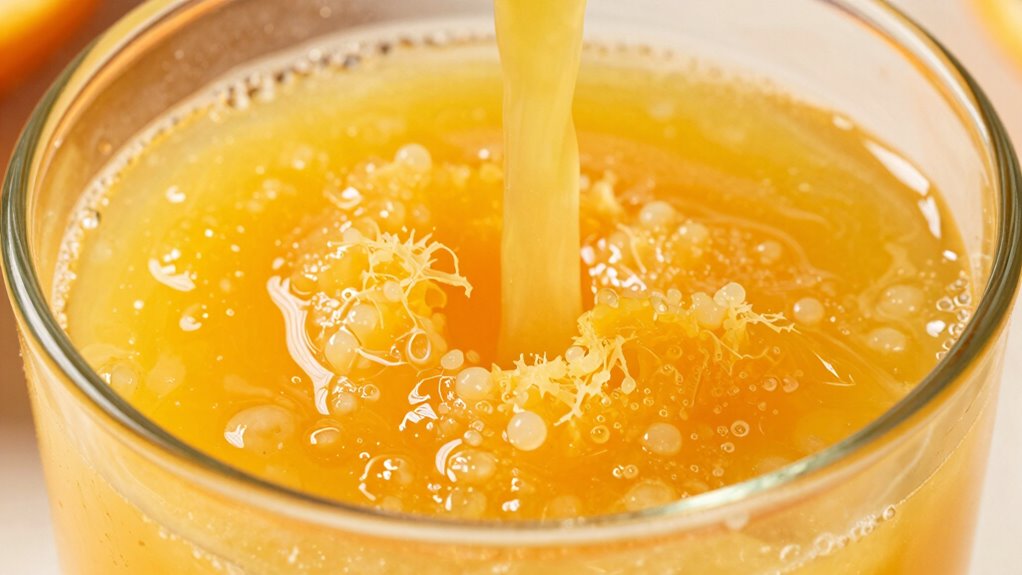

Adding pulp to your drinks boosts their nutritional value by providing extra dietary fiber, vitamins, and antioxidants, which support digestion, blood sugar control, and overall health. It also improves the texture, making beverages thicker, creamier, or more rustic, with fibrous particles that add chewiness and visual appeal. This not only enhances sensory enjoyment but also encourages mindful sipping. Keep going to discover how you can customize these textures to suit your preferences and maximize benefits.
Key Takeaways
- Added pulp increases dietary fiber, promoting digestion and blood sugar regulation.
- It enhances drink texture, making beverages thicker, creamier, or more rustic.
- Pulp introduces fibrous particles, providing chewiness and a satisfying mouthfeel.
- It naturally sweetens drinks, reducing the need for added sugars.
- Pulp customization allows for tailoring beverage consistency to personal preferences.
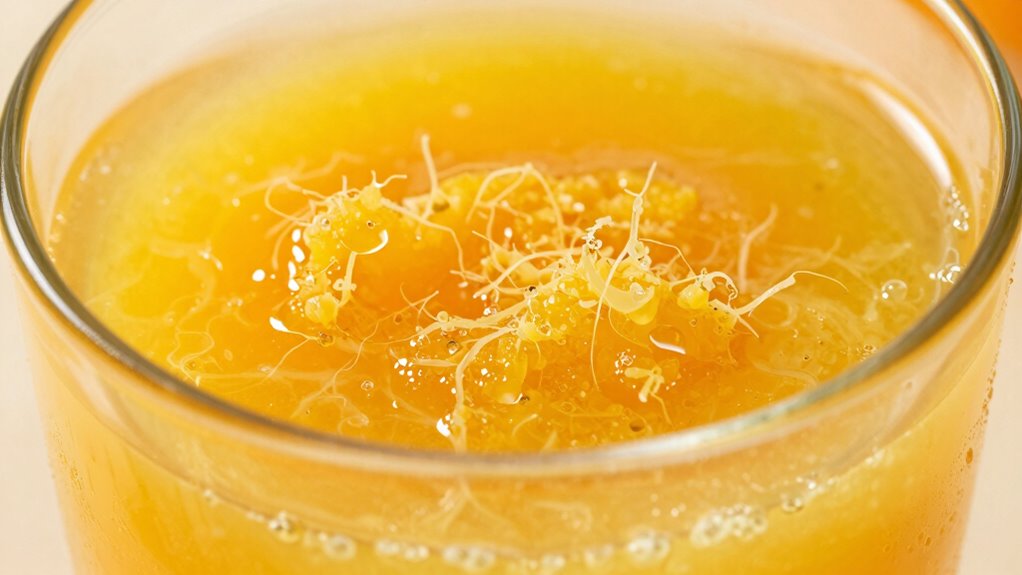
Have you ever wondered how adding pulp to your juice or smoothie changes its nutritional value and texture? When you toss in pulp, you’re not just adding visual appeal—you’re making a conscious choice to boost the health benefits and alter the way your drink feels on your palate. Pulp is packed with dietary fiber, and this fiber enhancement plays a significant role in your overall nutrition. It helps regulate digestion, stabilizes blood sugar levels, and keeps you feeling full longer. By including pulp, you’re fundamentally enriching your beverage with natural, whole-food nutrients that support your digestive health and promote sustained energy. Incorporating dietary fiber from pulp can also assist in managing cholesterol levels and improving overall gut health. Additionally, the presence of fiber can slow down sugar absorption, which helps prevent blood sugar spikes. The nutritional benefits of pulp extend beyond fiber, as it also contains vitamins and antioxidants that contribute to your overall health. Including pulp can also add natural sweetness, reducing the need for added sugars.
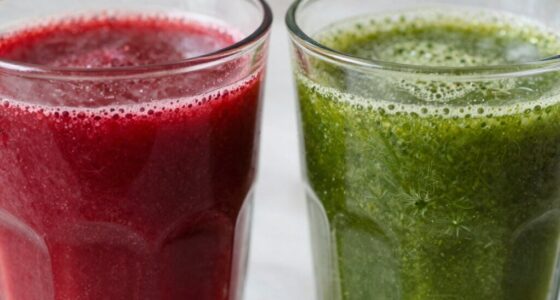
Beyond nutrition, pulp also influences the texture of your drink through a process called texture modification. Depending on how much pulp you add, your juice or smoothie can become thicker, creamier, or more substantial. If you prefer a silky smooth consistency, you might choose to strain out the pulp or add only a small amount. On the other hand, if you enjoy a more rustic, hearty feel, chucking in a generous handful of pulp creates a satisfying mouthfeel. This added texture can make your drink feel more satisfying and closer to eating a wholesome fruit or vegetable, rather than just drinking liquid. It’s a simple way to make your beverages more engaging and enjoyable, especially if you’re trying to increase your fruit and vegetable intake without feeling like you’re just sipping on a bland liquid. The visual appeal of pulp can also make your drink more inviting and appetizing.
Adding pulp creates a hearty, satisfying texture that makes your drinks feel more like eating whole fruits or vegetables.
Adding pulp also impacts the overall mouthfeel by introducing tiny fibrous particles that provide a slight chewiness or grit, depending on the fruit or vegetable used. This tactile difference can make your drink more interesting and help you savor each sip. The texture modification isn’t just about aesthetics; it can enhance the sensory experience, making healthy drinks more appealing and satisfying. Plus, the presence of pulp can slow down the drinking process, encouraging you to enjoy your beverage more mindfully and stay hydrated longer. For many people, this added textural variety increases the overall enjoyment of healthy drinks, making them more likely to be consumed regularly. Incorporating pulp can also support mindful drinking habits, helping you to appreciate your beverage more fully. Overall, experimenting with pulp amounts allows you to customize your beverage to your preferred mouthfeel.
Ultimately, incorporating pulp into your juice or smoothie is a clever way to boost fiber intake while customizing the texture to suit your preferences. Whether you want a smooth, refined drink or a hearty, textured blend, pulp allows you to tailor your beverages in a way that benefits your health and enhances your drinking experience. So next time, think about how much pulp you add—it’s a simple step toward making your drinks both more nutritious and more enjoyable.

KitchenAid Fruit and Vegetable Strainer – KSMFVSP
Specially designed to work with the KitchenAid Food Grinder* to help you puree and strain fruits and vegetables…
As an affiliate, we earn on qualifying purchases.
As an affiliate, we earn on qualifying purchases.
Frequently Asked Questions
How Does Pulp Affect Juice Shelf Life?
Adding pulp can slightly reduce juice shelf life because it introduces organic material that may promote microbial growth. The pulp texture might trap bacteria, leading to faster spoilage if not stored properly. However, it also provides flavor enhancement, making the juice more vibrant and natural-tasting. To preserve freshness, guarantee proper refrigeration and hygiene practices. Overall, pulp influences both the longevity and sensory qualities of your juice.
Can Pulp Increase Allergen Risks?
Adding pulp can be a double-edged sword; it might carry allergen transfer risks if cross contact occurs during processing. Pulp cross contact can introduce allergens into juice, posing a threat to sensitive consumers. While pulp itself isn’t inherently allergenic, contamination during manufacturing can increase allergen risks. Always guarantee proper handling and cleaning to minimize potential allergen transfer and protect those with allergies.
Does Pulp Impact Juice Calorie Content?
Adding pulp increases the juice’s calorie content slightly because pulp contains natural sugars and carbohydrates. The pulp texture also influences how filling or thick the juice feels, which can affect your perception of sweetness and satiety. While the calorie increase isn’t huge, if you’re watching your intake, it’s worth noting that pulp adds calories along with fiber and nutrients. So, yes, pulp impacts both calorie content and texture in your juice.
How Does Pulp Influence Juice Storage?
Think of pulp as tiny guardians in your juice, influencing how it ages. Pulp texture can trap oxygen, speeding up spoilage, while pulp flavor may fade over time. You might notice that juices with more pulp last slightly longer, as the pulp acts like a barrier. To maximize freshness, store juice in airtight containers, and consider pulped juices if you want a balance of flavor and extended shelf life.
Is Pulp Removal Necessary for Certain Diets?
If you’re on a specific diet, removing pulp might be necessary, especially if you’re avoiding high fiber intake or have digestive health concerns. Pulp contains dietary fiber, which can aid digestion but could also cause discomfort for some. You should consider your personal health needs and consult with a healthcare professional if unsure. Removing pulp can make juice easier on your digestive system, aligning with your dietary goals.

Ganiza Blender for Smoothies, 14Pcs Personal Blender for Shake and Smoothies for Kitchen with 3 Portable Cups (1x24oz & 2X17oz), Single Serve Smoothie Maker, Nutritious Recipe
POWERFUL MOTOR & 25000RPM HIGH SPEED: Peak Power 900W Smoothie blender with all-copper turbo motor, 25000RPM High Speed,…
As an affiliate, we earn on qualifying purchases.
As an affiliate, we earn on qualifying purchases.
Conclusion
Adding pulp is like planting a seed in your drink—it’s a small gesture that grows into a burst of nutrition and a richer mouthfeel. Just as a tiny sapling transforms into a flourishing tree, your choice to include pulp enriches your experience, symbolizing nourishment and essentiality. Embrace this simple addition, and let each sip be a reminder that even the smallest changes can blossom into something truly satisfying.

Ninja NeverClog Cold Press Juicer | Powerful Electric Slow Masticating Juicer with Pulp Control | XL Capacity | 24 oz. Juice Jug & 36 oz. Pulp Container | Dishwasher Safe | Charcoal | 150W | JC151
NON-STOP JUICING: This powerful masticating juicer’s high-torque motor powers through tough fruits and vegetables like apples, carrots, celery,…
As an affiliate, we earn on qualifying purchases.
As an affiliate, we earn on qualifying purchases.
texture modification smoothie cup
As an affiliate, we earn on qualifying purchases.
As an affiliate, we earn on qualifying purchases.