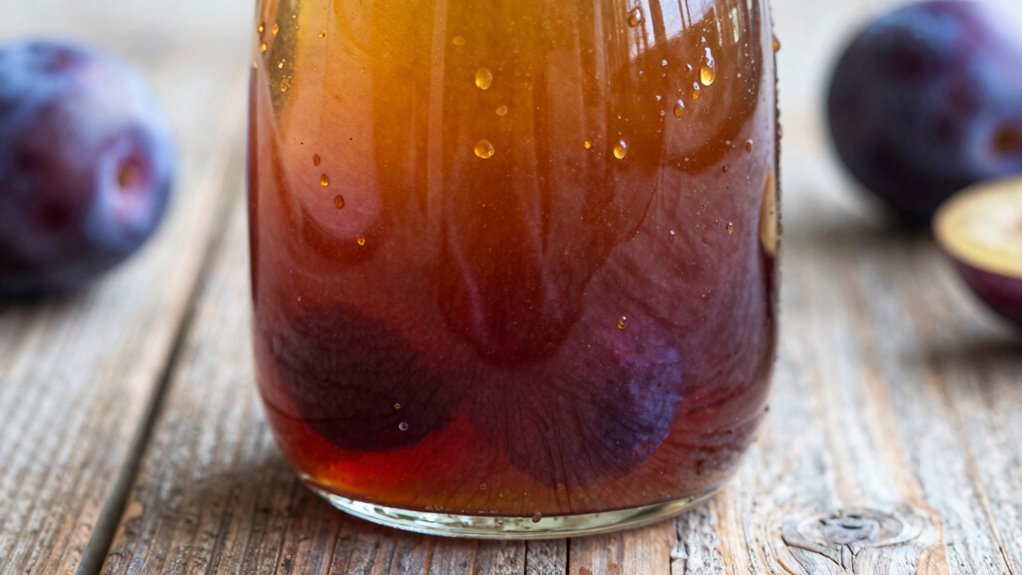
To blend sweet and savory notes in one bottle, start by choosing ingredients like mild cheeses for creaminess and sharp cheeses for depth, then add spices like cinnamon or chili to create balance. Taste often and adjust quantities gradually to prevent overpowering either flavor. Focus on how ingredients interact to achieve harmony and complexity. With thoughtful experimentation, you can craft a well-balanced blend that highlights both sweet and savory qualities—if you keep exploring, you’ll uncover even more tips.

Get kitchen staples and gadgets delivered free — and shop member deals
- Fast, free delivery on millions of items
- Access to Prime Big Deal Days deals on October 6–7
- Prime Video, Amazon Music and more included
Key Takeaways
- Use complementary ingredients like honey and cheese to balance sweetness and savoriness seamlessly.
- Incorporate warm spices like cinnamon or nutmeg to enhance both sweet and savory flavors.
- Start with small amounts of each element, tasting frequently to achieve harmonious blending.
- Choose cheeses and spices that naturally pair well, avoiding overpowering or conflicting flavors.
- Adjust quantities gradually to maintain a balanced, cohesive flavor profile in the final product.

Blending sweet and savory notes creates exciting flavor combinations that can elevate any dish or snack. When you’re working to craft a balanced bottle—be it a sauce, marinade, or infusion—you want to think about how the flavors interact. One effective way to do this is through thoughtful pairing cheese and spice combinations. These elements add depth and complexity, making your blend more intriguing and satisfying.
Start with pairing cheese that naturally complements both sweet and savory profiles. Mild cheeses like ricotta or cream cheese provide a neutral base that allows the sweetness from fruits or honey to shine through, while still supporting savory ingredients like herbs or cured meats. Harder cheeses like Parmesan or aged cheddar can add a sharp, salty contrast that balances the sweetness. When you incorporate cheese into your blend, consider how its texture and flavor will meld with the other ingredients. For example, melting cheese into a hot sauce can create a creamy consistency that ties the flavors together seamlessly. Additionally, understanding how different textures influence flavor perception is crucial for achieving the desired harmony.
Mild cheeses like ricotta and cream cheese enhance both sweet and savory flavors, adding a neutral, creamy base to your blends.
Next, spice combinations play a crucial role in harmonizing sweet and savory elements. Think about warming spices like cinnamon, nutmeg, or cardamom, which are often associated with sweet dishes but also work beautifully in savory contexts. For instance, a pinch of cinnamon can enhance a tomato-based sauce or a spicy chutney, creating a layered flavor profile. Conversely, chili powders, paprika, or black pepper introduce heat and earthiness that offset sweetness without overpowering it. Combining these spices thoughtfully can add complexity and keep the palate engaged.
In addition, understanding the importance of flavor balance and how different ingredients complement or contrast with each other is essential for creating harmonious blends. When blending these components, start small and taste frequently. Add cheese or spice gradually, then taste after each addition. This iterative process helps you find the right balance—too much spice might overpower the sweetness, while too much cheese can mute the flavor. Consider the overall texture and consistency too; melted cheese can thicken your blend, while spices might add a subtle kick without changing the texture. Recognizing how ingredient pairing influences the overall flavor profile can help guide your choices.
Remember that the key to successful sweet and savory blends is harmony. Use cheese and spice combinations strategically to enhance the natural flavors, rather than overshadow them. Whether you’re creating a sauce, marinade, or infusion, these pairings help you craft a bottle that’s complex, balanced, and delightful. Trust your palate and experiment with different cheese and spice pairings until you find the perfect harmony that elevates your culinary creation.
As an affiliate, we earn on qualifying purchases.
Frequently Asked Questions
Can Specific Ingredients Enhance Both Sweet and Savory Flavors Simultaneously?
Yes, specific ingredients like fruit infusions and herbal pairings can enhance both sweet and savory flavors simultaneously. You can add fruits such as berries or apples to introduce natural sweetness, while herbs like thyme or rosemary add savory depth. These ingredients complement each other, creating a balanced flavor profile. When blending, experiment with different combinations to find the perfect harmony that elevates both sweet and savory notes in your bottle.
What Seasonings Best Complement Mixed Sweet and Savory Profiles?
You’ll find that fruit infusions like apple or pear work beautifully with spice combinations such as cinnamon, cloves, and ginger, which enhance both sweet and savory flavors. Herbs like rosemary or thyme also add depth, balancing the sweetness with savory notes. Experiment with these seasonings to craft a harmonious blend, ensuring the flavors complement each other and create a complex, tasty profile perfect for your bottle.
How Long Should the Blending Process Take for Optimal Flavor?
Think of blending like a dance; it takes time for your flavors to find their rhythm. For ideal flavor, let your mixture sit for about a week, gently pairing cheese and balancing acidity as they settle into harmony. During this period, occasionally taste and adjust, ensuring the sweet and savory notes meld perfectly. Patience here transforms your blend into a symphony, not just a collection of ingredients.
Are There Cultural or Regional Influences on Sweet-Savory Blending?
Yes, cultural traditions and regional ingredients influence sweet-savory blending considerably. You’ll notice that different regions favor unique flavor combinations based on local customs and available ingredients. For example, in Asia, you might find soy and honey blends, while in the Mediterranean, figs and balsamic vinegar are popular. Embracing these influences allows you to create authentic, culturally rich flavors that resonate with traditional tastes and regional preferences.
What Storage Methods Preserve the Integrity of the Blended Flavors?
Think of your bottle as a delicate treasure chest; preserving its secrets requires careful handling. You should store your blend in a cool, consistent temperature—ideally around 55°F—like a secret kept safe in a vault. Fermentation techniques play a role too, as they help lock in flavors. Keep it away from light and temperature fluctuations to maintain the harmony of sweet and savory notes, ensuring your creation stays vibrant and balanced.
Conclusion
Blending sweet and savory notes creates a symphony of flavors that surprises and delights the palate. It’s like pairing a rich, velvety chocolate with a hint of smoky bacon—unexpected yet perfect. Embrace the contrast, and let your taste buds dance between the two worlds. When you master this balance, every sip becomes an adventure, a bold statement of harmony in a bottle. So, don’t shy away from the sweet and savory clash—welcome it.
NFL season / tailgating Picks
team gear
As an affiliate, we earn on qualifying purchases.