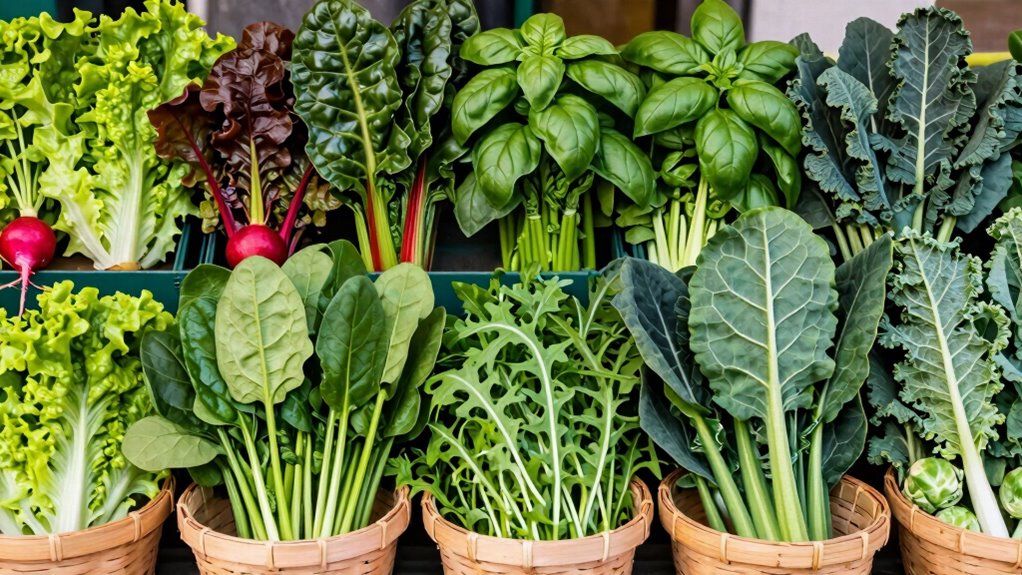
To choose greens based on season instead of habit, focus on what’s naturally available at farmers’ markets or local stores. In spring, pick tender varieties like arugula and spinach; in summer, go for heat-tolerant greens like kale and Swiss chard. Fall and winter bring hardy greens such as mustard greens and Brussels sprouts. By shopping seasonally, you get fresher, tastier greens while supporting local farms and sustainability. Keep exploring to discover how to make the most of seasonal greens all year round.

Get kitchen staples and gadgets delivered free with Prime
- Fast, free delivery on millions of items
- Prime Video, Amazon Music and more included
- Member-only deals all year
Key Takeaways
- Identify which greens are in peak season for your region to ensure freshness and flavor.
- Learn the natural growing cycles and availability of seasonal greens throughout the year.
- Prioritize purchasing greens that are harvested recently for maximum nutritional benefits.
- Use local farmers’ markets as a guide to seasonal greens and support sustainable practices.
- Adjust your choices based on the current season to enjoy optimal taste, nutrition, and environmental impact.
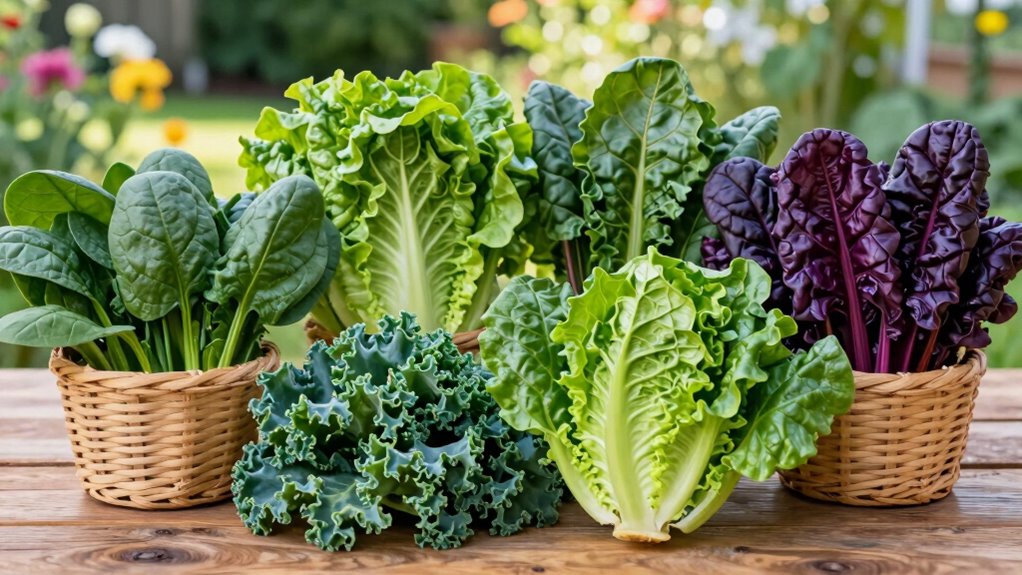
As the seasons change, so do the freshest greens available at your local market or garden. Instead of sticking to the same old greens out of habit, you can optimize your choices by paying attention to what’s in season. Farmers’ markets are ideal places to discover these seasonal varieties because they prioritize freshness and local sourcing. When you shop there, you get the chance to see, touch, and even taste greens at their peak. This direct connection helps you understand the best time to buy specific greens and how to incorporate their flavors into your meals. Plus, farmers’ markets often provide insights on how to preserve freshness, so your greens stay delicious longer. Recognizing the natural growth cycles of greens helps you make more informed choices and enjoy produce at its optimal flavor and nutrition. Understanding what greens are in season means recognizing the natural growth cycles. For example, in spring, you’ll find tender arugula, spinach, and lettuce—greens that thrive in cooler weather. As summer approaches, look for kale, Swiss chard, and collard greens, which can handle the heat better. In fall, hearty greens like mustard greens and Brussels sprout leaves become popular, and in winter, hardy varieties such as kale and Brussels sprouts are still available and flavorful. By aligning your choices with these seasonal cycles, you guarantee you’re getting greens at their freshest, most vibrant, and most nutritious. This approach also encourages you to learn about the local climate patterns, which influence the availability of different greens throughout the year. Paying attention to seasonal availability helps you plan your meals around the most nutritious and delicious options. The freshness preservation of greens is crucial because they tend to wilt and lose their flavor quickly once harvested. When you buy seasonally, you’re purchasing greens that are harvested at their peak, which means they’ve spent less time in transit and storage. This reduces their exposure to aging and spoilage. To extend their life, store greens properly—wrap them in a damp cloth or paper towel and keep them in the refrigerator’s crisper drawer. Farmers’ markets often sell greens that have been harvested within the last 24 hours, giving you an immediate advantage in freshness preservation. This way, you’re not only supporting local farmers but also enjoying greens that retain their nutrients, flavor, and texture longer. Choosing greens based on season rather than habit also encourages variety. Instead of defaulting to the same bag of spinach or romaine, you explore new greens that come into season, broadening your palate and enriching your meals. This seasonal approach helps you enjoy greens at their nutritional best and makes your diet more diverse. It also aligns your shopping habits with natural cycles, reducing environmental impact since you’re consuming produce when it’s naturally abundant and sustainably grown. Ultimately, by paying attention to the seasons and supporting farmers’ markets, you make smarter choices for freshness preservation and enjoy greens that are tastier, more nutritious, and better for the planet.
seasonal greens vegetable storage containers
As an affiliate, we earn on qualifying purchases.
As an affiliate, we earn on qualifying purchases.
Frequently Asked Questions
Can I Mix Greens From Different Seasons in One Dish?
Yes, you can mix greens from different seasons in one dish, but pay attention to cooking techniques and green variety differences. Some greens, like kale or collard greens, hold up well with longer cooking, while tender greens like arugula or spinach need quick sautéing or raw use. Combining seasonal greens adds flavor variation and visual interest, but consider their textures and cooking times to guarantee a harmonious dish.
How Do Seasonal Greens Compare Nutritionally to Out-Of-Season Varieties?
Seasonal greens often have higher nutritional value and antioxidant levels compared to out-of-season varieties. When you choose greens at their peak, you get fresher, more nutrient-dense options that support your health better. Out-of-season greens might be less flavorful and may contain preservatives or be grown with more chemicals. So, embracing seasonal greens helps you maximize antioxidants and overall nutritional benefits, making your meals healthier and more vibrant.
Are There Specific Storage Tips for Seasonal Greens?
To maintain seasonal freshness, store greens properly by keeping them in a perforated plastic bag or wrapped in damp paper towels to promote airflow and retain moisture. Store them in the crisper drawer of your fridge, ideally at 32-40°F. Always wash greens just before use, not before storing, to prevent spoilage. Proper green storage techniques help preserve flavor, texture, and nutritional value, ensuring your greens stay fresh longer.
Do Seasonal Greens Have Different Flavor Profiles?
Think of seasonal greens as a symphony of flavors—each playing a unique tune. Yes, they have distinct flavor profiles; for example, tender spring greens bring mild, sweet notes, while hearty winter varieties offer robust, earthy tastes. This diversity enhances their culinary versatility, allowing you to craft dishes suited to each season’s mood. Embracing these differences elevates your cooking, making every meal a fresh, seasonal masterpiece.
How Can I Tell if a Green Is Truly in Season Locally?
You can tell if a green is truly in season locally by visiting your farmer’s markets and asking vendors directly. They usually stock greens at peak freshness during local harvest times. Additionally, check seasonal festivals, which highlight fresh, in-season produce. These sources give you reliable cues about what’s locally in season, ensuring you enjoy greens at their best flavor and nutritional value, aligned with the natural growing cycle.
Conclusion
By choosing greens based on the season, you embrace nature’s rhythm rather than habit’s comfort. Just as summer’s bright kale awakens your palate, winter’s hearty collards provide warmth and resilience. When you align your greens with the seasons, you nourish your body and honor the earth’s cycles. It’s a simple switch—yet it transforms your meals from routine to rooted, turning everyday eating into a mindful dance with the changing world around you.
NFL season / tailgating Picks
team gear
As an affiliate, we earn on qualifying purchases.