
🔍 Read the full analysis: Strangolapreti: Trentino's Spinach-and-Bread Dumplings With Sage Butter on Mad Tasting

Get kitchen staples and gadgets delivered free with Prime
- Fast, free delivery on millions of items
- Prime Video, Amazon Music and more included
- Member-only deals all year
TL;DR
Strangolapreti are Trentino dumplings made from stale bread, cooked greens, milk, eggs and grated cheese, usually served with butter and sage. Their name is commonly translated as “priest stranglers,” but the story behind it is dish lore rather than a confirmed history.
Strangolapreti, a rustic specialty from Trentino in northern Italy, turn stale bread and cooked greens into soft dumplings typically served with butter, sage and grated cheese, according to a recipe guide from Mad Tasting. The dish offers a practical use for leftover bread, while its familiar “priest stranglers” name comes with an origin story the guide says is uncertain.
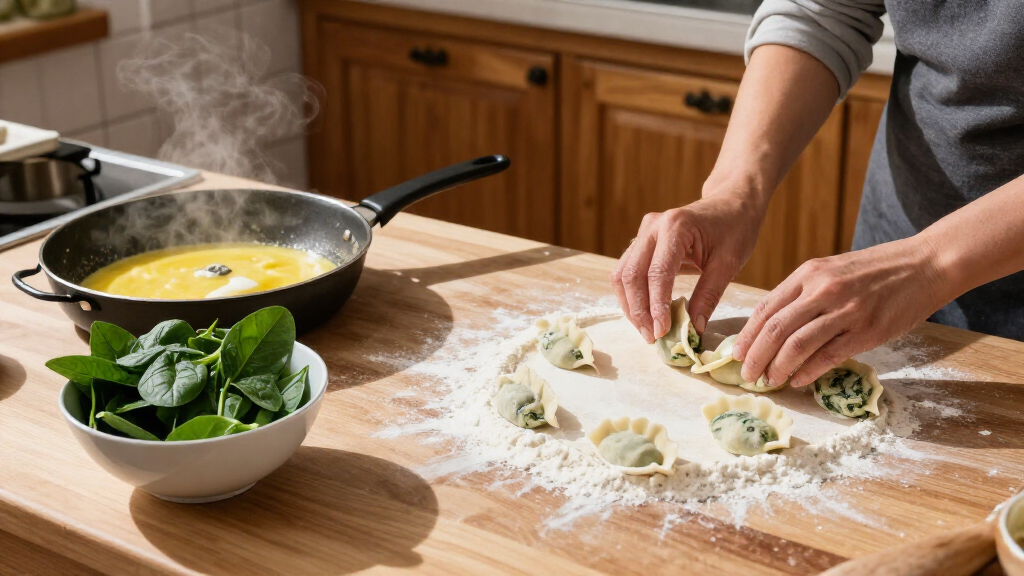
The dumplings are generally made by soaking stale bread in milk, then mixing it with cooked spinach or chard, eggs, grated cheese and seasoning. Cooks shape the mixture into small balls or ovals and simmer them in water. Butter and sage provide the usual finish, with more cheese added at the table. The intended texture is soft and tender, but able to hold its shape.
Mad Tasting recommends treating the ingredients as variables rather than following a rigid formula. Bread absorbs milk differently depending on its dryness, and greens can release enough water to loosen the mixture. The guide advises squeezing cooked greens dry, adding milk gradually and shaping a test dumpling before cooking the batch. If the mixture is too loose, a little flour or breadcrumbs may help.
Strangolapreti differ from potato gnocchi mainly in their base: these are built around bread and greens, while potato gnocchi are usually based on potatoes. The guide describes strangolapreti as savory and mild, with earthy greens, herbal sage and a salty, nutty note from the cheese. Household recipes vary in their bread, greens and cheese.
Strangolapreti Trentino’s bread-and-greens dumplings
These soft dumplings turn stale bread and cooked greens into a savory first course, usually finished with butter, sage and grated cheese.
What goes into them
Household recipes vary, but the bread-and-greens base gives the dish its character.
Bread and greens
Stale bread is soaked in milk and mixed with cooked spinach or chard.
Eggs and cheese
Eggs and grated cheese help the mixture hold together.
Butter and sage
The usual serving adds melted butter, sage and more grated cheese.
A different dumpling
The ingredients set strangolapreti apart from potato gnocchi.
- Built around bread and greens
- Savory and mild, with earthy and herbal notes
- Usually based on potatoes
- A different ingredient base and texture
Shape a batch that holds
Bread dryness and moisture in the greens affect the mixture.
Squeeze cooked spinach or chard dry so it does not loosen the mixture.
Aim for a moist mixture that is still easy to shape.
If it breaks apart, adjust with a little flour or breadcrumbs and test again.
Name and story
The name is commonly translated as “priest stranglers.”
A Practical Dish for Leftover Bread
The dish makes a meal from ingredients that might otherwise go unused: yesterday’s loaf and cooked greens. That resourceful approach is part of its appeal, but it also means technique matters. Bread that is too wet or greens that have not been drained can leave dumplings unable to keep their shape, so a small test can prevent a full batch from falling apart.
For cooks outside Trentino, the recipe is adaptable to available ingredients while retaining its basic character. A flavorful hard cheese can stand in when a regional cheese is unavailable, though the guide suggests checking labels for vegetarian rennet if that matters to the cook. The dish commonly contains eggs and dairy, and its bread may contain wheat or gluten.
Products Worth Considering

Le Creuset Stainless Steel Roasting Pan with Nonstick Rack

KitchenAid Classic Series 4.5 Quart Tilt-Head Stand Mixer, Onyx Black

Cuisinart Tabletop Propane Patio Heater, 11,000 BTU, Gray
As an affiliate, we earn on qualifying purchases.
Bread Dumplings from Trentino
Trentino is in northern Italy, and the source describes its Alpine cooking as favoring hearty, resourceful dishes. Strangolapreti fit that pattern: soaked bread supplies the body, greens add flavor and color, and eggs and cheese help bind the mixture. They are often served as a first course, with sage butter carrying flavor without covering the dumplings’ mild taste.
The name is roughly translated as “priest stranglers.” A playful tale says priests ate so many they were supposedly choked by the dumplings. Mad Tasting cautions that the exact origin is unknown; the anecdote should be treated as food lore, not established history. The guide does not give a dated history or identify a single definitive recipe.
“The name means roughly “priest stranglers.””
— Mad Tasting
The Name’s Origin Remains Uncertain
The source does not establish where the name strangolapreti originated or verify the tale about priests eating too many dumplings. It also does not set out one canonical recipe: proportions and choices of bread, greens and cheese vary by household. Exact quantities, cooking times and the expected yield are not included in the supplied source material.
Check the Mixture Before Cooking
For a home cook following the guide, the next step is to prepare a small dumpling and simmer it before shaping the rest. If it holds together, cook the remaining pieces gently; if it breaks apart, adjust the mixture with a little flour or breadcrumbs and test again. Serve the cooked dumplings with melted butter, sage and grated cheese. The source gives no further publication or recipe-update schedule.
Key Questions
What are strangolapreti made from?
They are generally made with stale bread, milk, cooked spinach or chard, eggs and grated cheese, then served with butter and sage. Recipes differ between households.
How are strangolapreti different from potato gnocchi?
Strangolapreti are based on bread and greens; potato gnocchi are usually based on potatoes. Both are dumplings, but their ingredients give them different flavors and textures.
How can I keep the dumplings from falling apart?
Drain cooked greens thoroughly, add milk gradually and check that the mixture is moist but shapeable. Mad Tasting recommends simmering a test dumpling before cooking the batch and adding a little flour or breadcrumbs if needed.
What does “strangolapreti” mean?
The name is roughly translated as “priest stranglers.” A story links it to priests eating too many dumplings, but the origin is uncertain and the tale is not established history.
What allergens may be in strangolapreti?
The dish commonly contains eggs and dairy, and the bread may contain wheat or gluten. Check ingredient labels, including the cheese, to confirm what is in a particular recipe.
Source: Mad Tasting