
Adding pulp back into your diet increases your fiber intake, which can improve digestion, lower cholesterol, and help stabilize blood sugar levels. Fiber, both soluble and insoluble, works by bulking up stool, promoting regularity, and supporting a healthy gut microbiome. This not only benefits your digestive health but also boosts heart health and weight management. Stay with us to discover more ways fiber can enhance your overall well-being.
Key Takeaways
- Different types of fiber (soluble and insoluble) provide unique digestion and health benefits when added back to pulp.
- Incorporating both fiber types from diverse sources enhances gut health and supports regular bowel movements.
- Soluble fiber helps regulate blood sugar and lowers cholesterol, improving cardiovascular health.
- Insoluble fiber increases stool bulk, promoting faster transit and preventing constipation.
- A balanced fiber intake through pulp back-adding optimizes overall digestion, immunity, and weight management.

Have you ever wondered how fiber contributes to your fitness goals? The truth is, fiber plays a vital role in supporting a healthy body and can considerably impact your overall well-being. When you look at fiber, you’ll notice that there are different fiber types, each offering unique benefits for digestion and beyond. These fiber types are broadly classified into soluble and insoluble fibers. Soluble fiber dissolves in water, forming a gel-like substance in your gut, which helps regulate blood sugar levels and lower cholesterol. Insoluble fiber, on the other hand, adds bulk to your stool, promoting regular bowel movements and preventing constipation. Understanding these fiber types helps you tailor your diet to maximize digestion benefits and achieve your fitness goals more effectively.
Incorporating a variety of fiber sources into your meals ensures you benefit from both fiber types. Fruits like apples and oranges are high in soluble fiber, aiding in blood sugar control and cholesterol management. Vegetables such as carrots and broccoli provide insoluble fiber, supporting healthy digestion and preventing digestive discomfort. Whole grains like oats, brown rice, and whole wheat bread contain a mix of both fiber types, making them excellent staples for a balanced diet. Legumes, including beans and lentils, are rich in soluble fiber, which not only helps with digestion but also promotes feelings of fullness, aiding in weight management. By diversifying your intake of fiber sources, you can optimize digestion benefits and improve your overall health.
The digestion benefits of fiber are profound and multifaceted. Fiber adds bulk to your stool, which accelerates transit time through your digestive system, reducing the risk of constipation. It also helps regulate your bowel movements, making them more consistent and less prone to irregularity. Soluble fiber has the added advantage of binding to cholesterol and sugar molecules, helping lower bad cholesterol levels and stabilize blood sugar spikes. This not only supports heart health but also enhances energy levels and reduces cravings. Additionally, fiber fosters a healthy gut microbiome by serving as food for beneficial bacteria, which further aids digestion and immune function. When your gut is healthy, you experience better nutrient absorption, improved immunity, and increased energy, all of which support your fitness journey.

Fruits and Veggies Supplement – High Fiber Supplement for Immunity, Gut & Energy – Super Reds & Super Greens Supplements with Marshmallow Root – 240 Reds and Super Greens Powder Superfood Capsules
Fruit and Veggies Supplement: Ensure a balanced diet with our daily fruits and vegetables supplements for adults &…
As an affiliate, we earn on qualifying purchases.
As an affiliate, we earn on qualifying purchases.
Frequently Asked Questions
How Does Pulp Back-Adding Affect Paper Tensile Strength?
Adding pulp back into paper improves its tensile strength by increasing fiber bonding. This process enhances fiber interactions, creating a more cohesive network that resists tearing. As a result, you’ll notice better tensile enhancement, making the paper stronger and more durable. Pulp back-adding effectively boosts the structural integrity, ensuring the final product withstands mechanical stresses better, which is particularly beneficial for packaging and industrial applications demanding higher strength.
What Environmental Impacts Are Associated With Pulp Back-Adding?
You face environmental impacts from pulp back-adding through recycling challenges and chemical usage. Recycling challenges include difficulties in separating fibers and contaminants, which can lead to waste and inefficiency. Chemical usage involves additives that may harm ecosystems if not managed properly, risking water and soil pollution. Both factors demand careful handling and sustainable practices to minimize environmental harm, ensuring that pulp back-adding remains eco-friendly and supports responsible paper production.
Can Pulp Back-Adding Improve Paper Recyclability?
Yes, pulp back-adding can improve paper recyclability by enhancing recycling efficiency. When you add pulp back into the paper, it boosts fiber bonding, creating a stronger, more cohesive sheet. This process helps maintain paper quality through multiple recycling cycles, reducing waste and the need for virgin fibers. By improving fiber bonding, pulp back-adding supports sustainable recycling practices, making it an effective way to extend the life of recycled paper products.
What Are the Cost Implications of Pulp Back-Adding Processes?
You might think pulp back-adding saves money, but in reality, it complicates your cost analysis and stretches your supply chain. The process can increase expenses due to additional raw materials, energy, and labor. While it might boost fiber content, expect to pay a premium for equipment updates and quality control. So, yes, it’s a cost-increasing move that demands careful financial planning and supply chain management, not just a quick fix.
How Does Pulp Back-Adding Influence Paper Opacity and Brightness?
You’ll notice pulp back-adding considerably boosts paper opacity and brightness. It enhances opacity by filling gaps and reducing light transmission, making the paper less see-through. Simultaneously, it improves brightness by adding fibers that reflect more light, resulting in a cleaner, more vibrant appearance. This process is vital for producing high-quality paper, especially for printing and packaging, where clarity and visual appeal are crucial.
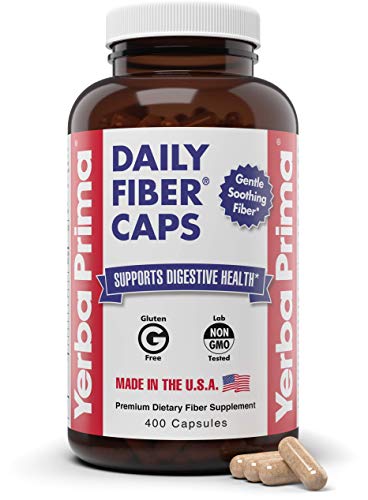
Yerba Prima Daily Fiber Caps Formula, 400 Capsules – Both Soluble and Insoluble – with Psyllium Seed Husks, Acacia Gum, Apple Fiber and More – Dietary Supplement
ARE YOU GETTING ENOUGH FIBER? Health authorities recommend 25 to 40 grams of daily fiber for good health….
As an affiliate, we earn on qualifying purchases.
As an affiliate, we earn on qualifying purchases.
Conclusion
Now that you understand how pulp back-adding boosts fiber content, imagine a small snack company that uses this method to create healthier products. By increasing fiber without sacrificing taste, they attract more health-conscious customers. Just like them, you can leverage fiber gains to improve your products and stand out in the market. Embrace pulp back-adding, and watch your offerings become more nutritious and appealing, giving you a competitive edge.
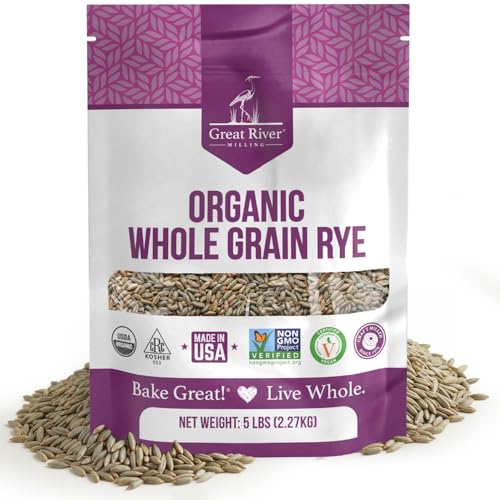
Great River Milling Organic Whole Grain Rye Berries | High-Fiber, Nutrient-Rich Ancient Grain | Non-GMO, Kosher | Ideal for Baking, Sourdough, Salads, Pilaf & Soups | 5 Lb
Rich, earthy flavor: Organic whole grain rye berries offer bold flavor and dense texture, ideal for artisan breads,…
As an affiliate, we earn on qualifying purchases.
As an affiliate, we earn on qualifying purchases.

Metamucil, Psyllium Husk Capsules, 300 Capsules, 3-in-1 Fiber Supplement, Daily Psyllium Husk Fiber Capsules Help Support Digestive Health by Promoting Regularity*, Help Supplement Daily Fiber Intake
MULTIPLE HEALTH BENEFITS* in daily fiber capsules. Metamucil is the only leading fiber brand made with psyllium husk…
As an affiliate, we earn on qualifying purchases.
As an affiliate, we earn on qualifying purchases.

Cindy thoroughly researches juicing trends, techniques, and recipes to provide readers with practical advice and inspiration. Her writing style is accessible, engaging, and designed to make complex concepts easy to understand. Cindy’s dedication to promoting the advantages of juicing shines through her work, empowering readers to make positive changes in their lives through the simple act of juicing.