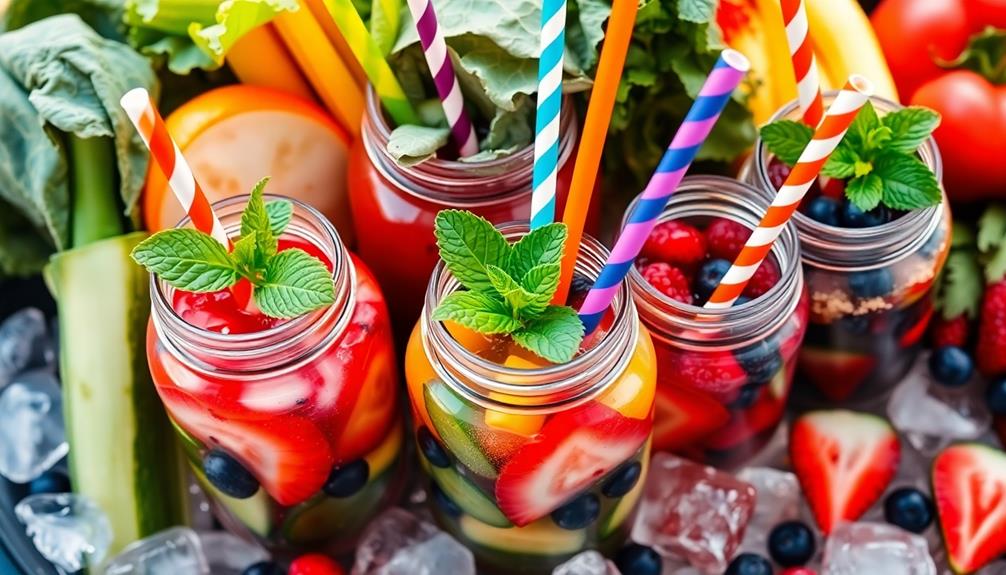
To avoid common allergy triggers in your juices, choose hypoallergenic ingredients like fresh vegetables and low-histamine fruits such as apples or pears. Be cautious with nuts and seeds; always check labels for hidden nuts or cross-contamination risks. Use safe preparation practices, like washing produce thoroughly and using dedicated utensils. If you want to learn more about making allergy-friendly juices and selecting the safest ingredients, keep exploring for helpful tips.

Get kitchen staples and gadgets delivered free — and shop member deals
- Fast, free delivery on millions of items
- Access to Prime Big Deal Days deals on October 6–7
- Prime Video, Amazon Music and more included
Key Takeaways
- Avoid nuts and nut-based ingredients; opt for seeds like chia or hemp, and always check labels for hidden nut traces.
- Select low-histamine fruits and vegetables, such as apples, pears, cucumbers, and carrots, to reduce allergy risks.
- Be cautious of cross-reactions, like birch pollen allergy with raw apples or carrots; wash produce thoroughly before juicing.
- Use dedicated utensils and clean equipment to prevent cross-contact and accidental exposure to allergens.
- Consult with allergy specialists and conduct small tests when trying new ingredients to ensure safety and avoid triggers.

If you have food allergies, enjoying fresh juice doesn’t have to be off-limits. With the right approach, you can savor nutritious, homemade beverages without risking an allergic reaction. One of the key concerns for allergy sufferers is understanding nut allergy risks. Nuts are common ingredients in many smoothies and juice blends, but they can pose serious dangers if you’re allergic. Cross-contamination in stores or even in your own kitchen can introduce trace amounts of nuts into your juice, potentially triggering severe reactions. To keep your juice safe, avoid adding nuts or nut-based products unless you’re certain they’re free from contamination. Always read labels carefully and consider using seeds like chia or hemp, which are less likely to cause nut allergies while still adding nutritional value. Additionally, monitoring pore size and skin texture after exfoliation can help gauge the effectiveness of glycolic acid treatments, ensuring your skin stays healthy and radiant.
Enjoy fresh juice safely by avoiding nuts and reading labels carefully.
Another factor to watch out for is histamine reactions. Certain fruits, vegetables, and fermented ingredients can release histamines or contain high levels, which can lead to symptoms like headaches, rashes, or digestive discomfort in sensitive individuals. For example, strawberries, tomatoes, and citrus fruits are common triggers for histamine reactions. When juicing, opt for low-histamine produce such as apples, pears, cucumbers, and carrots. Freshness is essential—older produce tends to have increased histamine levels, so use fresh ingredients to minimize risk. If you’re prone to histamine intolerance, you might also want to avoid fermented or aged ingredients like vinegar or certain citrus juices, which can exacerbate reactions.
Additionally, be mindful of potential cross-reactivity with other allergens. For instance, if you’re allergic to birch pollen, you might also react to raw apples or carrots. Knowing your specific sensitivities helps you choose ingredients that are less likely to trigger symptoms. When preparing your juice, wash all produce thoroughly to remove any residual contaminants or allergens. Using a dedicated set of utensils for allergen-free juicing can further reduce risks.
If you’re unsure about a particular ingredient, do a patch test or consult with an allergy specialist before incorporating it into your juice. It’s also wise to start with small quantities to observe how your body reacts. Remember, the goal is to enjoy the health benefits of fresh juice without endangering yourself. By being vigilant about nut allergy risks, histamine reactions, and cross-reactivity, you can craft delicious, safe juices tailored to your needs. With careful ingredient selection and proper handling, allergy-friendly juicing becomes an enjoyable and nourishing experience.
hypoallergenic juicing ingredients
As an affiliate, we earn on qualifying purchases.
As an affiliate, we earn on qualifying purchases.
Frequently Asked Questions
Can Allergy-Friendly Juices Still Contain Trace Allergens?
Yes, allergy-friendly juices can still contain trace allergens due to cross contamination risks during processing or ingredient sourcing. Even if ingredients are labeled allergy-friendly, cross contact with other products may occur, so always check for ingredient sourcing transparency. To stay safe, choose brands that prioritize allergy safety, and consider making your own juice at home to better control cross contamination risks.
How Can I Tell if a Juice Is Completely Safe?
Did you know that 60% of food allergies are caused by cross contamination? To tell if a juice is completely safe, always check for ingredient sourcing transparency and inquire about cross contamination risks. Look for certifications or detailed labels that specify allergen controls. Trust brands that openly share their processes, so you can confidently enjoy your juice without fear of trace allergens hiding in your drink.
Are There Allergy-Friendly Alternatives for Common Juice Ingredients?
You can find allergy-friendly alternatives for common juice ingredients by choosing hypoallergenic options like coconut water or pear juice instead of citrus or apple. Use alternative sweeteners such as agave or maple syrup to reduce allergy risks. Incorporate plant-based thickeners like chia seeds or flaxseed to improve texture without triggering allergies. Always read labels carefully, and consider making your own juices to control ingredients and avoid common allergens.
How Long Can Allergy-Friendly Juices Be Stored Safely?
You can typically store allergy-friendly juices in the refrigerator for up to 24 to 48 hours, following proper refrigeration guidelines. Keep the juices in airtight containers to prevent contamination and spoilage. After this period, the shelf life decreases, and the juice may lose freshness or develop harmful bacteria. Always check for signs of spoilage, like sour smell or mold, before consuming to ensure safety.
What Precautions Should I Take When Introducing New Ingredients?
Think of introducing new ingredients like crossing a busy street—you need to look both ways. Always check for cross contamination risks and verify ingredient labeling accuracy to prevent unexpected allergens. Start with small amounts and monitor your body’s reactions, just like watching for cars before crossing. This cautious approach helps prevent allergic reactions and ensures your juice stays safe and enjoyable.
Conclusion
By choosing allergy-friendly ingredients, you’re creating a vibrant, safe juice that’s as invigorating as a cool breeze on a summer day. Just like careful gardening helps avoid weeds, selecting the right fruits and vegetables keeps your health in check. Keep learning about triggers, read labels, and experiment with new flavors. With a mindful approach, your juicing journey becomes a delightful adventure—bright, nourishing, and free from worries. Cheers to a healthier, happier you!
Fall Picks
fall essentials
As an affiliate, we earn on qualifying purchases.