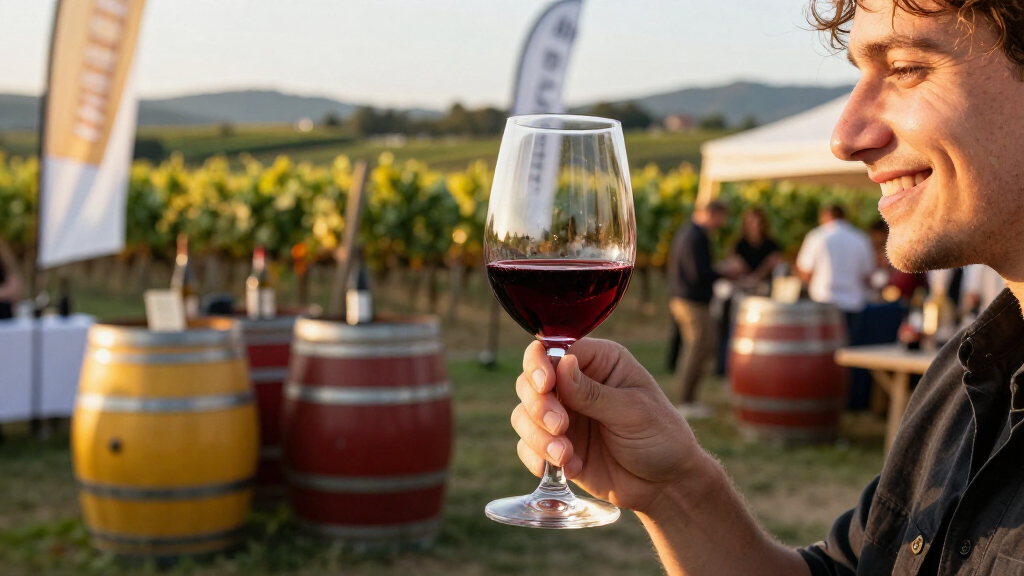

🔍 Read the full analysis: Barbera At The Douja d'Or: Asti's September Wine Fair Explained on Mad Tasting

Get kitchen staples and gadgets delivered free with Prime
- Fast, free delivery on millions of items
- Prime Video, Amazon Music and more included
- Member-only deals all year
TL;DR
The Douja d’Or, traditionally held in Asti during September, gives visitors a concentrated view of Piedmont wine through tastings, producer meetings, food events and masterclasses. Barbera is central to the program, with opportunities to compare four protected denominations, but dates, venues, prices and reservation rules vary by edition.
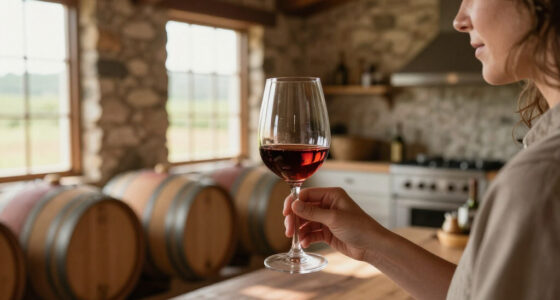
The Douja d’Or, Asti’s traditional September wine fair, brings tastings, producer meetings, masterclasses and regional food events to venues across the Piedmont city, placing Barbera at the center of a program rooted in one of the grape’s historic production areas. The distributed format gives visitors a rare chance to compare nearby denominations in one trip, although the precise schedule, participating producers and ticket rules change each year.
The event began in 1967 as a national wine competition and takes its name from the Piedmontese word douja, referring to a terracotta wine vessel. While the awards heritage remains part of its identity, the modern Douja d’Or extends beyond judging and medals. Its public program can include walk-around tastings, staffed wine counters, guided sessions, pairing dinners, cooking demonstrations, concerts and meetings with producers.
Activities are spread through central Asti rather than confined to a single exhibition hall. Historic palazzos, courtyards, cultural venues, restaurants and public squares may serve as event locations, allowing the fair to function as both a tasting program and a route through the city. Mad Tasting’s original coverage says popular sessions increasingly use advance digital reservations, particularly where seating or venue capacity is limited.
Four Barbera classifications are especially relevant. Barbera d’Asti DOCG requires at least 90% Barbera and covers areas in the provinces of Asti and Alessandria. Nizza DOCG comes from a smaller zone around Nizza Monferrato, requires 100% Barbera and follows tighter production and aging rules. Barbera del Monferrato Superiore DOCG is a structured, Barbera-led wine made across the wider Monferrato area, while Barbera del Monferrato DOC is commonly fresher and may sometimes be lightly sparkling.
Asti · Piedmont · September
Barbera at the Douja d’Or
A citywide wine fair where historic rooms, public squares and restaurant tables become a concentrated guide to Barbera—and to the differences created by place, rules, vintage and cellar choices.
From medals to a citywide experience
The Douja d’Or began as a national wine competition. Its modern public program combines wine, food and culture across Asti rather than placing every activity inside one exhibition hall.
A national competition
Awards and judging established the event’s identity. Its name comes from “douja,” the Piedmontese term for a traditional terracotta wine vessel.
A distributed festival
Historic palazzos, courtyards, cultural spaces, restaurants and public squares may all become tasting or event venues.
Comparison in context
Nearby Barbera denominations can be tasted in one trip, making distinctions in origin, aging and winemaking easier to recognize.
Explore Asti
Move between historic buildings, courtyards and central squares.
Compare wines
Use small pours to contrast denomination, vintage and producer style.
Meet producers
Add technical context through staffed counters and masterclasses.
Connect with food
See how Barbera’s acidity works alongside Piedmontese cooking.
Four labels, four useful reference points
Classification rules establish a framework, not a guaranteed flavor. Vineyard position, vintage, extraction, blending and aging vessel can still produce substantial differences between bottles.
| Classification | Barbera requirement | Geographic frame | Common tendency | Useful clue |
|---|---|---|---|---|
| Barbera d’Asti DOCG | ✓At least 90% | Asti and Alessandria provinces | Broad range: vibrant and youthful to structured and aged | Best baseline for understanding the wider territory |
| Nizza DOCG | ✓100% | Smaller zone around Nizza Monferrato | Concentrated, structured and shaped by tighter rules | Compare directly with Barbera d’Asti to isolate place and regulation |
| Barbera del Monferrato Superiore DOCG | ~Barbera-led | Wider Monferrato area | Structured, with stricter production and minimum aging requirements | “Superiore” signals rules and aging—not automatic personal preference |
| Barbera del Monferrato DOC | ~Barbera-led | Wider Monferrato area | Often fresher; some examples may be lightly sparkling | A lively counterpoint to more structured expressions |
Barbera’s signature structure
Barbera is generally dry, naturally high in acidity and moderate in tannin. That combination brings freshness to the glass and makes the wine especially adaptable at the table.
Typical structural profile
A practical flavor map
Plan after the annual program appears
Dates, venues, prices, participating producers and reservation rules change by edition. Confirm the official calendar before booking travel or assuming that a tasting accepts walk-ins.
Before you go
Barbera Differences Become Tangible
The fair matters because it lets drinkers examine how place and winemaking affect wines made primarily, or entirely, from the same grape. A Barbera from one village may emphasize sour cherry and violet, while another may show darker fruit, cocoa or warm spice after oak aging. Comparing them close together makes differences among appellation rules, vineyard sites, vintages and cellar choices easier to recognize than they would be when bottles are tasted months apart.
Barbera’s defining structure also gives the event a clear connection to local food. The grape generally produces dry red wines with high natural acidity and moderate tannins. That acidity can offset rich dishes and cured meats, making the wines adaptable partners for Piedmontese cooking. Visitors should still pace their consumption, drink water, eat during the event and arrange safe transportation. Alcohol is for adults only, and attendees should drink responsibly.
As an affiliate, we earn on qualifying purchases.
From Competition to Citywide Fair
The Douja d’Or’s development from an awards competition into a citywide public festival reflects its broader role in presenting Piedmont’s wine culture. Tastings remain a core attraction, but food programming, music and access to historic buildings have widened the event beyond a conventional trade fair. Its September timing also places it during the regional grape harvest, when wineries are actively receiving and processing fruit.
The distinction between Barbera d’Asti and Nizza is a recurring source of confusion for visitors. Barbera d’Asti covers a broader territory and permits a limited proportion of other authorized red grapes, while Nizza requires 100% Barbera from its smaller defined area. The term “Superiore” indicates stricter production requirements and minimum aging under the relevant rules, but it is not a guarantee that every drinker will prefer that style over a younger, unoaked wine.
“Same grape. Different ground, different hands.”
— Mad Tasting
Edition Details Depend on Scheduling
The supplied information does not identify dates, prices or participating wineries for a specific edition. It is also not yet clear which historic buildings, restaurants or public spaces will host individual events, or which tastings will accept walk-ins. Those details must be checked against the official program for the relevant year before travel or accommodation is booked.
Individual wines can also differ from the broad style descriptions used in festival guidance. Vintage conditions, vineyard location, blending decisions, extraction, aging vessels and time in bottle may all affect the result. Terms such as fresh, structured or age-worthy describe common tendencies, not a guaranteed flavor profile. Visitors should rely on each producer’s technical information for grape composition and aging.
Program Release Sets Visit Plans
Prospective visitors should monitor the festival’s official channels for the release of the annual calendar, venue list, tasting menus and reservation links. Limited-capacity masterclasses and producer sessions are the events most likely to require early action. Travelers should also check opening times and the distance between venues before building a schedule across central Asti.
A practical tasting plan is to compare one young Barbera d’Asti, one Superiore bottling and one Nizza before adding broader Monferrato examples. Small pours, water and food breaks will make those differences easier to track. Anyone planning to eat at festival venues should ask about allergens and food handling; perishable foods should be kept properly chilled, and cooked dishes should be served at safe temperatures. After the program is published, booking early and planning transport will be the main next steps.
Key Questions
What is the Douja d’Or?
The Douja d’Or is an Asti wine event that began as a national competition in 1967 and developed into a September festival featuring tastings, food events, masterclasses, producer meetings and cultural programming.
Why is Barbera central to the festival?
Asti lies within Barbera’s historic territory, close to vineyards producing Barbera d’Asti, Nizza and Barbera del Monferrato. The festival allows visitors to compare wines shaped by different zones and production rules without traveling separately to every growing area.
How does Nizza differ from Barbera d’Asti?
Nizza DOCG requires 100% Barbera and comes from a smaller defined area around Nizza Monferrato. Barbera d’Asti DOCG covers a wider zone in Asti and Alessandria and requires a minimum of 90% Barbera.
What does Barbera usually taste like?
Barbera is generally a dry, high-acid red wine with moderate tannins. Common descriptions include sour or ripe cherry, plum, blackberry, raspberry, violet and herbs, while oak-aged examples may show vanilla, cocoa, toast or warm spice.
Do Douja d’Or tastings require reservations?
Requirements vary by event and year, but popular or limited-capacity tastings may require advance digital reservations. Visitors should confirm the current official schedule and ticket terms rather than relying on admission practices from earlier editions.
Source: Mad Tasting
Halloween Picks
halloween
As an affiliate, we earn on qualifying purchases.