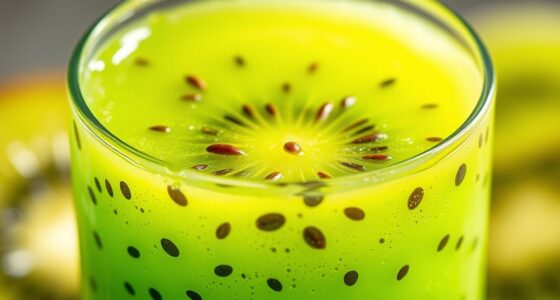
When berry seed content is high, your juice feels chunkier and may have a gritty or grainy texture, adding a subtle crunch or thickness. Seeds can also boost viscosity, giving the juice a more substantial mouthfeel, while finely grinding or straining them results in a smoother, silkier drink. The amount and processing of seeds influence whether your juice is rustic or refined. If you keep exploring, you’ll discover even more about how seed handling changes the experience.

Get kitchen staples and gadgets delivered free with Prime
- Fast, free delivery on millions of items
- Prime Video, Amazon Music and more included
- Member-only deals all year
Key Takeaways
- Higher seed content adds a grainy or pulp-like texture, making juice feel thicker and more textured.
- Processing methods like straining or grinding seeds can produce a smoother, less gritty juice.
- Seed presence increases viscosity, giving the juice a more substantial, rustic mouthfeel.
- Removing seeds results in a clearer, silkier juice with minimal texture.
- Finely ground seeds contribute to a silky consistency while retaining some natural seed oils.
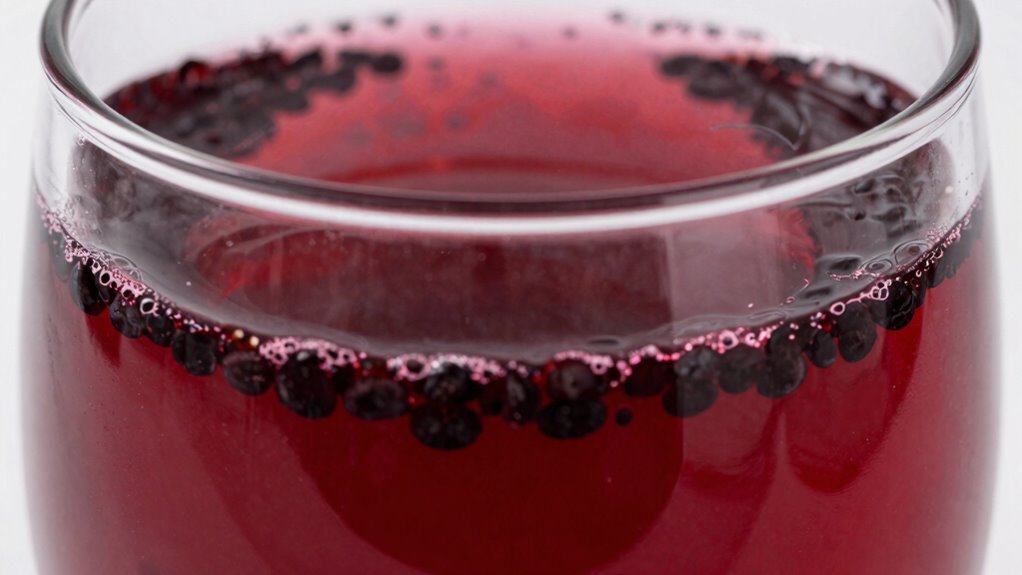
Berry seed content considerably influences the texture of berry juices, affecting both mouthfeel and overall quality. When you bite into a juicy berry, the tiny seeds add a subtle crunch, but in juice form, they can create a different experience entirely. These seeds often introduce a slight graininess or pulp-like texture, which can make the juice feel thicker or more textured. Depending on the seed quantity and how finely the juice is processed, your drinking experience can range from smooth and silky to mildly gritty. If you prefer a clear, smooth juice, producers often strain out or finely grind the seeds to minimize their impact. Conversely, keeping some seed content can give your juice a more rustic, natural feel, which many appreciate for its authenticity. Additionally, the presence of seed content can influence the juice viscosity, making it feel more substantial and satisfying, which can enhance your overall drinking experience. The presence of berry seeds also enhances flavor in several ways. Seeds can release small amounts of oils and compounds that boost the overall flavor profile, leading to a richer, more complex taste. These subtle flavor enhancements can add depth, making your juice more vibrant and satisfying. Plus, the tiny seeds often contain natural antioxidants and phytochemicals, which contribute to the nutritional benefits of the juice. Incorporating seed content into your homemade juices can also preserve more of the berry’s natural nutrients and antioxidants, thereby enhancing the nutritional value of your beverage and supporting your health. Additionally, understanding the seed extraction process can help you control the final texture and nutritional content of your juice.
As an affiliate, we earn on qualifying purchases.
Frequently Asked Questions
Do Seed Types Affect Juice Texture Differently?
Yes, seed types affect juice texture differently. You’ll notice that seed flavor and seed variety influence how thick or gritty your juice feels. Some seeds, like raspberry or blackberry, add a slight crunch or pulpiness, while others, like strawberry seeds, create a smoother texture. The seed variety determines the seed’s size and oil content, which directly impacts the overall mouthfeel and consistency of your juice.
How Does Seed Size Influence Juice Mouthfeel?
Seed size considerably influences juice mouthfeel by adding seed crunch, which enhances the overall texture variation. Larger seeds provide a more pronounced crunch, making each sip more interesting and texturally varied. Smaller seeds tend to blend more smoothly, creating a softer, more uniform mouthfeel. So, if you prefer a crunchy, textured experience, choose juices with bigger seeds; for a smoother sip, opt for smaller seeds that subtly blend into the juice.
Can Seed Content Impact Juice Shelf Life?
Think of seed content as tiny travelers, dispersing through your juice. When seed dispersal is high, it can introduce natural enzymes and compounds, which might shorten shelf life by encouraging fermentation or spoilage. Conversely, seeds can also boost flavor enhancement, making your juice richer and more complex. So, yes, seed content influences shelf life—balancing seed numbers guarantees your juice stays fresh while delivering that punch of flavor.
Are There Health Benefits Related to Seed Presence?
Yes, berry seeds offer health benefits due to their seed nutrients and antioxidant properties. When you consume juice with seeds, you get a boost of fiber, vitamins, and minerals that support digestion and overall health. The antioxidants in the seeds help fight free radicals, potentially reducing inflammation and lowering disease risk. Including seed-rich berry juice in your diet can enhance your health naturally, making it a nutritious choice.
Does Seed Removal Improve Juice Clarity?
Seed extraction greatly improves juice clarity by removing tiny particles that create cloudiness. When you opt for seed removal, you enhance clarity, making your juice look smooth and appealing. This clarity enhancement ensures your drink appears pristine and pure, elevating your overall experience. So, by simply extracting seeds, you achieve a visually delightful, clear juice, perfect for serving or sharing without the cloudy complication of seed remnants.
Conclusion
As you explore the dance between berry seed content and juice texture, you’ll find each seed acts like tiny architects shaping the drink’s body and mouthfeel. When seeds are abundant, they craft a gritty, hearty texture—like a forest floor beneath your fingertips. Remove or reduce them, and your juice becomes a silken stream, smooth and inviting. Understanding this balance lets you tailor each sip, turning every glass into a carefully composed symphony of flavor and feel.
Halloween Picks
halloween
As an affiliate, we earn on qualifying purchases.