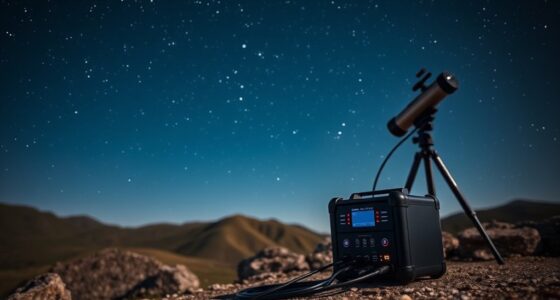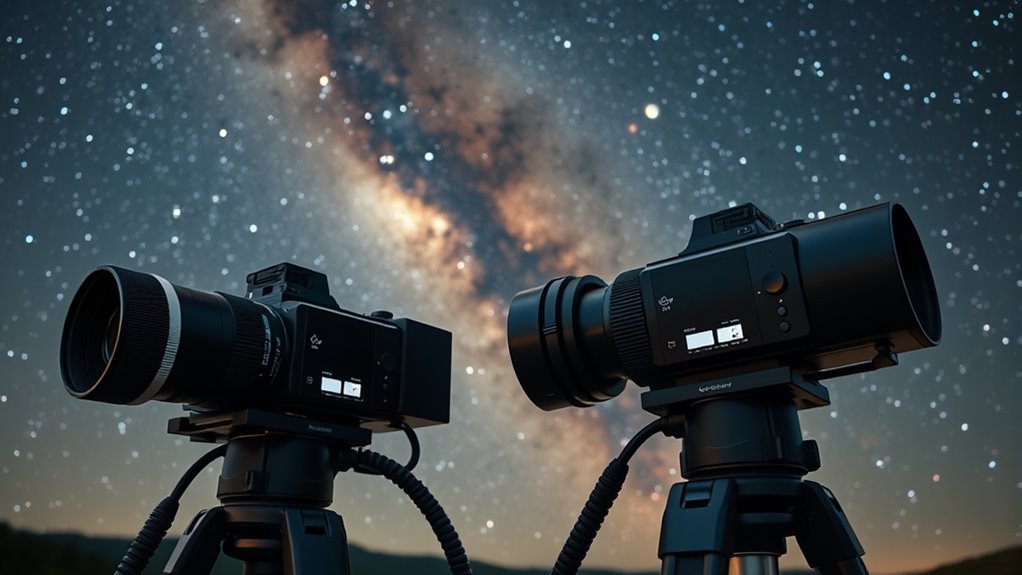

Choosing the right cooled CMOS astro camera for deep sky imaging involves balancing performance, cost, and usability. The ZWO ASI183MM Pro stands out as the best overall pick thanks to its high-resolution monochrome sensor and fast USB 3.0 interface. For those on a tighter budget, the SVBONY SV605CC offers solid performance at a lower price point, while the ZWO ASI2600MM PRO delivers premium features for advanced astrophotographers. The main tradeoffs in this category revolve around sensor size, cooling efficiency, and image processing capabilities. Keep reading for a detailed breakdown of these options and how to choose the best one for your needs.

Get kitchen staples and gadgets delivered free with Prime
- Fast, free delivery on millions of items
- Prime Video, Amazon Music and more included
- Member-only deals all year
Key Takeaways
- High-resolution monochrome sensors like the ZWO ASI183MM Pro excel for detailed deep sky images but come at a higher price.
- Cooling performance varies; more efficient cooling reduces noise but can increase cost and complexity.
- Sensor size impacts field of view; larger sensors capture more detail but may require more advanced mounting and guiding.
- Budget options like the SVBONY SV605CC are suitable for beginners or casual imaging, but they may lack advanced features or stability.
- Premium models such as the ZWO ASI2600MM PRO offer versatile imaging capabilities with better noise reduction and higher dynamic range.
| ZWO ASI183MM Pro 20.18 MP CMOS Monochrome Astronomy Camera with USB 3.0 |  | Best Overall | Resolution: 5496×3672 (20.1 MP) | Pixel Size: 2.4 microns | Cooling: TEC cooling reduces sensor temperature by 40-45°C below ambient | VIEW ON AMAZON | See Our Full Breakdown |
| SVBONY SV605CC Deep Space Astronomy Camera Kit |  | Best Value for Versatile Deep Sky Imaging | Sensor: IMX533 1-inch chip | Resolution: 3008×3008 | Quantum Efficiency: 80% | VIEW ON AMAZON | See Our Full Breakdown |
| SVBONY SV405CC Astrophotography Camera, Cooled Telescope Eyepiece IMX294 |  | Best for Bright Deep-Sky and Planetary Imaging | Sensor: IMX294 4/3″ CMOS | Resolution: 4144×2822 pixels | Pixel Size: 4.63μm | VIEW ON AMAZON | See Our Full Breakdown |
| SVBONY SV605CC Cooled Astrophotography Camera with 2″ Dual-Band Nebula Filter |  | Best for Light-Polluted and Nebula Imaging | Sensor: IMX533 1-inch chip | Resolution: 3008×3008 | Pixel Size: 3.76μm | VIEW ON AMAZON | See Our Full Breakdown |
| ZWO ASI585MM Pro Cooled Monochrome Astronomy Camera |  | Best for High-Speed Deep Sky and Planetary Imaging | Sensor: IMX585 CMOS | Sensor Size: 1/1.2 inches | Resolution: 3840 x 2160 (8.29 MP) | VIEW ON AMAZON | See Our Full Breakdown |
| ZWO ASI294MC-Pro 11.3 MP CMOS Color Astronomy Camera |  | Best Overall for Versatile Deep Sky Imaging | Resolution: 4144×2822 (11.7 MP) | Sensor: Micro-4/3 CMOS | Cooling: TEC cooling to 35°C below ambient | VIEW ON AMAZON | See Our Full Breakdown |
| ZWO ASI2600MM PRO USB 3.0 Cooled Monochrome Astronomy Imaging Camera |  | Best for High-Resolution Monochrome Imaging | Sensor Type: Sony IMX571 CMOS | Resolution: 6248 x 4176 (26.1 MP) | Cooling: Advanced cooling, 30-35°C below ambient | VIEW ON AMAZON | See Our Full Breakdown |
| ZWO ASI183MC Pro 20.18 MP CMOS Color Astronomy Camera | | Best for High-Resolution Color Deep Sky Imaging | Resolution: 5496×3672 (20.1 MP) | Pixel Size: 2.4 microns | Cooling: TEC cooling down to 40-45°C below ambient | VIEW ON AMAZON | See Our Full Breakdown |
| ZWO ASI585MC Pro Cooled Color Astronomy Camera |  | Best for Fast, High-Sensitivity Deep Sky and Solar Imaging | Sensor: IMX585AAQJ1 1/1.2″ CMOS | Resolution: 3840×2160 (8.29 MP) | Cooling: Two-stage TEC, Delta T 35°C | VIEW ON AMAZON | See Our Full Breakdown |
| ZWO ASI533MC-P CMOS Color Cooled Astronomy Camera |  | Best for Moderate-Resolution, Versatile Deep Sky Capture | Sensor Type: CMOS | Resolution: 3840×2160 (8.29 MP) | Cooling: Two-stage TEC | VIEW ON AMAZON | See Our Full Breakdown |
| cooled cmos astro cameras for deep sky imaging | Resolution | Cooling | Frame Rate | Sensor |
|---|---|---|---|---|
| ZWO ASI183MM Pro 20.18 MP CMOS | 5496×3672 (20.1 MP) | TEC cooling reduces sensor temperature by 40-45°C below ambient | Up to 19 fps at maximum resolution | — |
| SVBONY SV605CC Deep Space Astr | 3008×3008 | — | — | IMX533 1-inch chip |
| SVBONY SV405CC Astrophotograph | 4144×2822 pixels | Two-stage TEC, lowers temperature by 30°C | — | IMX294 4/3" CMOS |
| SVBONY SV605CC Cooled Astropho | 3008×3008 | Double-layer semiconductor refrigeration, cools to 30°C below ambient | — | IMX533 1-inch chip |
| ZWO ASI585MM Pro Cooled Monoch | 3840 x 2160 (8.29 MP) | Two-stage TEC, Delta T 35°C | 47fps at full resolution | IMX585 CMOS |
| ZWO ASI294MC-Pro 11.3 MP CMOS | 4144×2822 (11.7 MP) | TEC cooling to 35°C below ambient | Up to 16 fps at max resolution | Micro-4/3 CMOS |
| ZWO ASI2600MM PRO USB 3.0 Cool | 6248 x 4176 (26.1 MP) | Advanced cooling, 30-35°C below ambient | 3.51 fps at full resolution | — |
| ZWO ASI183MC Pro 20.18 MP CMOS | 5496×3672 (20.1 MP) | TEC cooling down to 40-45°C below ambient | Up to 19 fps | CMOS |
| ZWO ASI585MC Pro Cooled Color | 3840×2160 (8.29 MP) | Two-stage TEC, Delta T 35°C | 46.9 fps | IMX585AAQJ1 1/1.2" CMOS |
| ZWO ASI533MC-P CMOS Color Cool | 3840×2160 (8.29 MP) | Two-stage TEC | 20 fps | — |
More Details on Our Top Picks
ZWO ASI183MM Pro 20.18 MP CMOS Monochrome Astronomy Camera with USB 3.0
The ZWO ASI183MM Pro stands out for its exceptionally high-resolution 20.1 MP monochrome sensor, which captures incredible detail in deep-sky objects compared to lower-resolution models like the SVBONY SV605CC. Its effective TEC cooling reduces sensor noise significantly, enabling long exposures necessary for deep-sky imaging. Unlike some compact options, its durable CNC aluminum body provides reliability in the field. The main tradeoff involves needing a separate power supply, which adds complexity for portable setups. While it offers fast data transfer via USB 3.0, some users may find it less straightforward to integrate with less common software or hardware configurations. This camera makes the most sense for experienced astrophotographers who prioritize detail and noise reduction, and are willing to manage additional accessories.
Pros:- High-resolution 20.1 MP sensor captures fine astrophysical details
- Effective TEC cooling reduces sensor noise during long exposures
- Fast USB 3.0 transfer speeds enable quick data handling
- Durable CNC aluminum body suitable for field use
Cons:- Requires a separate 12V power supply, adding to setup complexity
- Somewhat less portable due to its size and power needs
Best for: Advanced amateur astronomers seeking maximum detail and noise control in deep-sky imaging.
Not ideal for: Beginners or those looking for a plug-and-play solution due to its need for extra accessories and setup complexity.
- Resolution:5496×3672 (20.1 MP)
- Pixel Size:2.4 microns
- Cooling:TEC cooling reduces sensor temperature by 40-45°C below ambient
- Frame Rate:Up to 19 fps at maximum resolution
- Buffer Memory:256MB DDR3
- Connectivity:USB 3.0, USB 2.0 hub
Our verdict“This pick is ideal for experienced deep-sky imagers who prioritize resolution and noise reduction over simplicity.”
SVBONY SV605CC Deep Space Astronomy Camera Kit
The SVBONY SV605CC offers a high-resolution 3008×3008 sensor with 80% quantum efficiency, making it a strong contender for deep sky imaging on a budget, especially when compared to the more specialized ZWO ASI585MM Pro. Its versatile design includes a built-in helical focuser and compatibility with various software, providing flexibility for different setups. However, it lacks integrated cooling, which means noise increases during long exposures unless external cooling solutions are added. This makes it less ideal for very faint objects or extended imaging sessions. The compact form factor suits those with limited space or portable astrophotography kits, but beginners should be prepared for some setup complexity due to the need for additional accessories.
Pros:- High-resolution 3008×3008 sensor captures detailed deep-sky images
- High quantum efficiency of 80% enhances imaging sensitivity
- Built-in helical focuser simplifies focusing process
- Compact, lightweight design for portable setups
Cons:- No integrated cooling means more noise in long exposures
- Requires additional accessories for full astrophotography setup
Best for: Intermediate astrophotographers seeking a cost-effective but capable deep-sky camera with flexible setup options.
Not ideal for: Complete beginners or those expecting an all-in-one, cooled solution without additional equipment.
- Sensor:IMX533 1-inch chip
- Resolution:3008×3008
- Quantum Efficiency:80%
- Sensor Type:Color CMOS
- Guide Camera Resolution:1.23 MP
- Guide Camera Sensor:1/3” CMOS 1280×960
Our verdict“This camera is a smart choice for experienced users who want high resolution at a reasonable price, accepting some noise tradeoffs.”
SVBONY SV405CC Astrophotography Camera, Cooled Telescope Eyepiece IMX294
The SVBONY SV405CC features a 4/3″ IMX294 sensor with 11.7 MP resolution and effective cooling that lowers sensor temperature by 30°C, making it well-suited for capturing detailed images of brighter deep-sky objects, planets, and the Moon. Compared to the high-resolution monochrome ZWO ASI585MM Pro, it offers broader system compatibility and a larger sensor for increased field of view. However, its weight and size are less ideal for portable setups, and some users may find the advanced features with cooling and dual-speed operation require a learning curve. Its broad system compatibility makes it a flexible choice for those who want to integrate it into existing setups without extensive modification.
Pros:- High-sensitivity 11.7 MP sensor captures detail in bright objects
- Effective cooling reduces thermal noise for long exposures
- Large 4/3″ sensor offers wider field of view
- Broad system compatibility with various software and hardware
Cons:- Relatively heavy and bulky for portable use
- Advanced features may require a learning curve for new users
Best for: Amateurs focusing on bright deep-sky objects, planetary, or lunar astrophotography who need effective cooling and broad compatibility.
Not ideal for: Those targeting ultra-faint deep-sky objects or seeking lightweight, portable solutions for extended fieldwork.
- Sensor:IMX294 4/3″ CMOS
- Resolution:4144×2822 pixels
- Pixel Size:4.63μm
- Cooling:Two-stage TEC, lowers temperature by 30°C
- Interface:USB 3.0
- Buffer:256MB DDRIII
Our verdict“This camera suits astrophotographers aiming for detailed images of brighter objects with reliable cooling and wide system support.”
SVBONY SV605CC Cooled Astrophotography Camera with 2″ Dual-Band Nebula Filter
The SVBONY SV605CC with its 3008×3008 sensor and dual-layer semiconductor refrigeration is designed for capturing faint nebulae and galaxies, even in light-polluted areas. Its 2-inch dual-band nebula filter enhances emission lines, making it ideal for astrophotographers focusing on emission nebulae, similar to specialized filters used with higher-end cameras like the ZWO ASI585MM Pro. The main tradeoff involves the need for compatible telescope systems and potentially complex setup for beginners, as well as limited details on software compatibility. The double-layer cooling system provides stable thermal conditions, but the weight and size may impact portability.
Pros:- High sensitivity and low noise for detailed nebula imaging
- Dual-layer refrigeration lowers sensor temperature by 30°C
- Includes 2″ dual-band nebula filter for emission line enhancement
- Effective in light-polluted skies
Cons:- Requires compatible telescope and filter system
- Limited info on software integration and user interface
Best for: Astrophotographers targeting emission nebulae and deep-sky objects in light-polluted environments who want to maximize contrast.
Not ideal for: Beginners or those without suitable telescope systems, due to the need for additional setup and accessories.
- Sensor:IMX533 1-inch chip
- Resolution:3008×3008
- Pixel Size:3.76μm
- Cooling:Double-layer semiconductor refrigeration, cools to 30°C below ambient
- Filter:SV220 2″ dual-band nebula filter (OIII and H-Alpha)
- Weight:50g
Our verdict“This camera offers a compelling option for dedicated nebula and light-polluted sky imaging, with the added benefit of specialized filtering.”
ZWO ASI585MM Pro Cooled Monochrome Astronomy Camera
The ZWO ASI585MM Pro features a 4k CMOS sensor with 2.9μm pixels and 8.29 MP resolution, delivering exceptional sensitivity and rapid frame rates up to 47fps. This makes it particularly suitable for high-speed planetary and lunar imaging, but it also performs well in deep-sky astrophotography where detail and noise reduction matter. Its two-stage TEC cooling system effectively reduces sensor temperature by 35°C, producing clear images even during extended exposures. Compared to the ASI183MM Pro, it offers faster frame rates, but with a slightly smaller sensor, limiting the field of view for some users. The need for an external power supply and its higher price point make it less accessible for casual hobbyists.
Pros:- High quantum efficiency of 91% for excellent sensitivity
- Fast frame rate up to 47fps at full resolution for planetary imaging
- Effective cooling reduces noise substantially
- Suitable for both deep-sky and planetary imaging
Cons:- External power supply required, complicating portability
- Small sensor size limits field of view for some applications
Best for: Experienced astrophotographers who need a versatile, fast camera for both deep sky and planetary imaging.
Not ideal for: Beginners or those seeking a simple, all-in-one solution without external power requirements.
- Sensor:IMX585 CMOS
- Sensor Size:1/1.2 inches
- Resolution:3840 x 2160 (8.29 MP)
- Pixel Size:2.9μm
- Cooling:Two-stage TEC, Delta T 35°C
- Frame Rate:47fps at full resolution
Our verdict“This camera excels for users who want high-speed imaging capabilities across planetary and deep-sky targets and are prepared for extra setup complexity.”
ZWO ASI294MC-Pro 11.3 MP CMOS Color Astronomy Camera
The ZWO ASI294MC-Pro stands out for its high-resolution color imaging combined with effective TEC cooling, making it a versatile choice for capturing deep-sky objects, the Moon, and the Sun with appropriate filters. Compared to the ASI183MC Pro, it offers a slightly lower pixel count but benefits from a larger sensor and a more robust buffer system, which enhances stability during long exposures. Its fast USB 3.0 transfer and lightweight aluminum body make it suitable for field use, although it requires a separate power supply and additional accessories like autoguiding cameras. The camera’s broad compatibility also makes it accessible across various operating systems. Still, the need to purchase extra gear and install drivers adds complexity for newcomers. This pick makes the most sense for astrophotographers seeking a flexible, high-quality imaging tool capable of handling multiple targets with reliable noise reduction.
Pros:- High-resolution 11.7 MP CMOS sensor captures fine detail
- TEC cooling reduces noise for long exposures
- Fast USB 3.0 transfer speeds enhance workflow
- Durable aluminum body suitable for field use
Cons:- Requires a separate 12V power supply, adding to setup complexity
- Software and driver installation can be cumbersome for newcomers
Best for: Advanced amateur astronomers who want a reliable, multi-purpose deep sky camera with excellent resolution and cooling.
Not ideal for: Beginners who prefer an all-in-one, easy-to-set-up package or those on a tight budget, due to its additional accessory needs and setup complexity.
- Resolution:4144×2822 (11.7 MP)
- Sensor:Micro-4/3 CMOS
- Cooling:TEC cooling to 35°C below ambient
- Frame Rate:Up to 16 fps at max resolution
- Buffer:256MB DDR3
- Interface:USB 3.0, USB 2.0 hub
Our verdict“This camera is ideal for experienced deep sky imagers needing high resolution and versatile performance across targets.”
ZWO ASI2600MM PRO USB 3.0 Cooled Monochrome Astronomy Imaging Camera
The ZWO ASI2600MM PRO offers an outstanding 26.1-megapixel Sony IMX571 sensor, ideal for capturing intricate details of celestial objects with minimal noise thanks to its effective cooling. Compared to the color-oriented ASI183MC Pro, this monochrome camera excels in situations where maximum detail and sensitivity are required, especially for narrowband imaging. Its wide dynamic range and 16-bit depth enable capturing subtle variations in brightness, but it’s primarily designed for dedicated astrophotographers, requiring compatible software and a computer with sufficient processing power. The high pixel count and large sensor require significant storage, and the setup might be complex for newcomers. This camera suits those who prioritize maximum image fidelity and are prepared for a more involved setup process.
Pros:- Massive 26.1 MP sensor captures extreme detail
- Effective cooling minimizes noise during long exposures
- Wide dynamic range enhances subtle features
- Fast frame rate supports efficient imaging sessions
Cons:- High-resolution images demand extensive storage and processing power
- Complex setup and software compatibility requirements
Best for: Experienced deep sky and narrowband astrophotographers seeking ultra-high resolution and sensitivity.
Not ideal for: Beginners or casual users who prefer simpler, all-in-one imaging solutions or low data management needs.
- Sensor Type:Sony IMX571 CMOS
- Resolution:6248 x 4176 (26.1 MP)
- Cooling:Advanced cooling, 30-35°C below ambient
- Frame Rate:3.51 fps at full resolution
- Bit Depth:16-bit
- Sensor Size:23.5 x 15.7 mm
Our verdict“This camera is designed for seasoned astrophotographers demanding maximum resolution and sensitivity for deep-sky imaging.”
ZWO ASI183MC Pro 20.18 MP CMOS Color Astronomy Camera
The ZWO ASI183MC Pro combines a high-resolution 20.1 MP CMOS sensor with TEC cooling, making it a compelling choice for capturing detailed, colorful images of deep sky objects, the Moon, and the Sun. Unlike the ASI585MC Pro, which offers faster frame rates, this model emphasizes high resolution and color fidelity, although it requires a 12V power source and proper setup, which can be challenging for beginners. Its compact CNC aluminum body offers durability for field work, but the high data volume necessitates substantial storage and processing capabilities. The camera’s setup can be complex, especially when integrating with filters and guiding systems. This model makes sense for astrophotographers who prioritize detailed, full-color images with excellent noise control.
Pros:- High-resolution 20.1 MP CMOS sensor captures fine detail
- TEC cooling reduces sensor noise significantly
- Compact, durable CNC aluminum design for portability
- Fast USB 3.0 transfer speeds
Cons:- Requires a dedicated 12V power supply which adds to setup complexity
- Data-heavy images demand robust storage solutions
Best for: Advanced astrophotographers seeking high-res, detailed, and colorful deep sky images.
Not ideal for: Casual users or those with limited technical experience, due to setup complexity and data management demands.
- Resolution:5496×3672 (20.1 MP)
- Pixel Size:2.4 microns
- Cooling:TEC cooling down to 40-45°C below ambient
- Frame Rate:Up to 19 fps
- Sensor:CMOS
- Body Material:CNC aluminum
Our verdict“This camera is suited for serious astrophotographers demanding high-resolution, full-color deep sky imaging with reliable noise reduction.”
ZWO ASI585MC Pro Cooled Color Astronomy Camera
The ZWO ASI585MC Pro offers a high-sensitivity 1/1.2″ CMOS sensor with a 91% QE peak, ideal for capturing faint deep-sky objects, the Moon, and the Sun with high speed and clarity. Its two-stage TEC cooling and rapid frame rate of nearly 47 fps at full resolution make it suitable for dynamic imaging sessions and video capture. Compared to the ASI533MC-P, which has a slightly lower resolution, the ASI585MC excels in real-time observation and fast imaging, but its high frame rate generates large data volumes requiring quick storage solutions. The rolling shutter can introduce artifacts in fast-moving scenes, and the high sensitivity may demand careful exposure control. This camera is best for users focused on high-speed, high-sensitivity imaging, especially in solar and lunar applications.
Pros:- High QE peak of 91% boosts faint object detection
- Fast frame rate supports video and real-time imaging
- Effective cooling reduces noise in long exposures
- Compact design suitable for various telescopes
Cons:- Limited to specific OS environments, mainly Windows and Mac
- Rolling shutter artifacts may affect fast-moving scenes
Best for: Solar, lunar, and fast deep sky imagers who need quick frame rates and high sensitivity.
Not ideal for: Users seeking maximum resolution for static deep sky targets or those with limited data handling capacity.
- Sensor:IMX585AAQJ1 1/1.2″ CMOS
- Resolution:3840×2160 (8.29 MP)
- Cooling:Two-stage TEC, Delta T 35°C
- Frame Rate:46.9 fps
- Max Exposure:2000 seconds
- Dimensions:11.136mm x 6.264mm
Our verdict“This camera offers a compelling blend of speed and sensitivity for solar, lunar, and quick deep sky imaging tasks.”
ZWO ASI533MC-P CMOS Color Cooled Astronomy Camera
The ZWO ASI533MC-P combines a 9 MP CMOS sensor with a cooled design, offering a balanced option for those wanting detailed color images without the extensive data requirements of higher MP models. Its 1080p video capability and manual focus make it suitable for capturing both stills and videos of celestial phenomena, especially in variable lighting conditions. Compared with the ASI585MC Pro, it provides slightly lower sensitivity and frame rate but benefits from a more manageable data size and easier handling. Its lack of water resistance and small screen size means it’s best used in controlled environments or with additional external monitors. This camera is a good choice for intermediate astrophotographers looking for a flexible, cooled color camera that is easier to manage.
Pros:- High-resolution 9 MP sensor captures detailed images
- TEC cooling reduces sensor noise effectively
- Supports high-speed 20 fps continuous shooting
- Manual focus for precise control
Cons:- Not water resistant, requiring careful handling outdoors
- Limited to a 1-inch screen, needing external monitor for best use
Best for: Intermediate deep sky imagers who want a versatile, moderate-res color camera suitable for both imaging and video.
Not ideal for: Users seeking ultra-high resolution or specialized fast imaging, as this model offers a balance rather than peak performance in either area.
- Sensor Type:CMOS
- Resolution:3840×2160 (8.29 MP)
- Cooling:Two-stage TEC
- Frame Rate:20 fps
- Water Resistance:Not water resistant
- Sensor Size:11.136mm x 6.264mm
Our verdict“This camera is suited for intermediate users who want a flexible, cooled color camera with good resolution and manageable data volumes.”
How We Picked
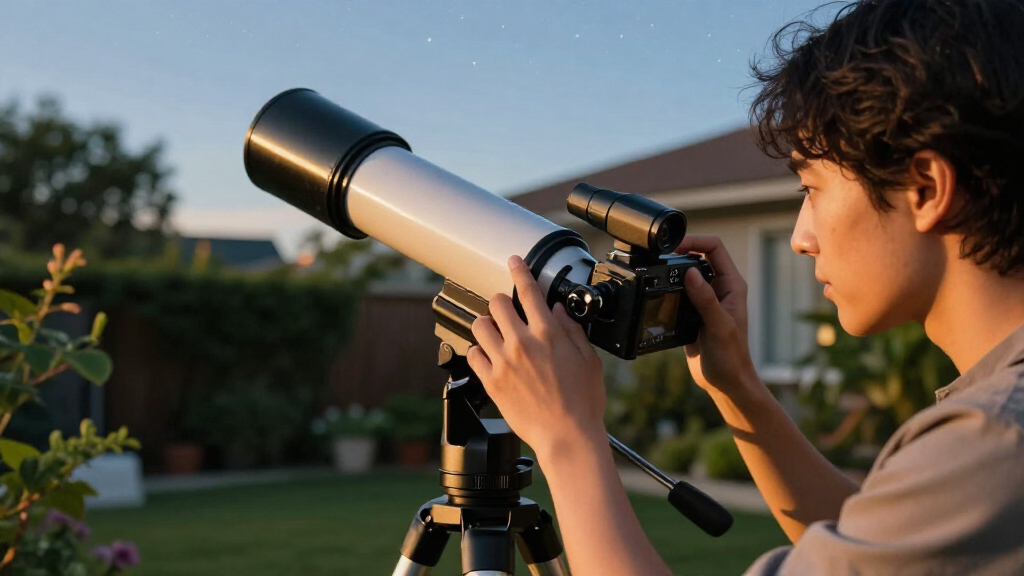
To evaluate these cooled CMOS astro cameras, I focused on key factors that influence deep sky imaging performance. Sensor resolution, cooling efficiency, build quality, and usability were primary considerations. I also examined compatibility with common astrophotography setups, software integration, and overall value for different budgets. These criteria ensure that the top picks balance image quality, ease of use, and long-term reliability. The rankings reflect a combination of technical performance and practical usability tailored for various types of astrophotographers—from beginners to seasoned amateurs.| cooled cmos astro cameras for deep sky imaging | Sensor |
|---|---|
| ZWO ASI183MM Pro 20.18 MP CMOS | — |
| SVBONY SV605CC Deep Space Astr | IMX533 1-inch chip |
| SVBONY SV405CC Astrophotograph | IMX294 4/3" CMOS |
| SVBONY SV605CC Cooled Astropho | IMX533 1-inch chip |
| ZWO ASI585MM Pro Cooled Monoch | IMX585 CMOS |
| ZWO ASI294MC-Pro 11.3 MP CMOS | Micro-4/3 CMOS |
| ZWO ASI2600MM PRO USB 3.0 Cool | — |
| ZWO ASI183MC Pro 20.18 MP CMOS | CMOS |
| ZWO ASI585MC Pro Cooled Color | IMX585AAQJ1 1/1.2" CMOS |
| ZWO ASI533MC-P CMOS Color Cool | — |
Factors to Consider When Choosing Cooled Cmos Astro Cameras For Deep Sky Imaging
When selecting a cooled CMOS astro camera, understanding several critical factors can help you make the best investment for your deep sky imaging goals. Each feature impacts your ability to capture clear, detailed images while managing costs and complexity. Consider these factors carefully to avoid common pitfalls and ensure your setup aligns with your experience level and ambitions.Sensor Resolution and Size
Sensor resolution determines the detail level of your images, with higher MP counts capturing more intricate details. However, higher resolution sensors produce larger files and may require more processing power. Sensor size influences your field of view; larger sensors are ideal for capturing expansive nebulae or galaxies but often come with a higher price tag and require precise mount alignment. Balancing resolution and sensor size based on your target objects and system capabilities is critical for satisfying imaging results.
Cooling Efficiency
Effective cooling reduces sensor noise, which is vital for deep sky imaging, especially during long exposures. Look for models with adjustable cooling levels and reliable thermal regulation. Some cameras offer dual-stage cooling for better noise suppression, but these typically come at a higher cost. Inefficient cooling can lead to increased noise, requiring more post-processing, which complicates the workflow. Investing in a camera with proven cooling performance often translates into clearer, more detailed images.
Build Quality and Durability
A sturdy, well-constructed camera protects sensitive electronics and ensures consistent performance over time. Aluminum or metal housings with good sealing help prevent dust and moisture ingress. Ease of maintenance, such as straightforward sensor cleaning, also matters. Lower-quality builds may be more prone to electrical issues or thermal instability, which can compromise imaging sessions. Prioritizing durability ensures your investment remains reliable across multiple observing seasons.
Software Compatibility and Data Handling
Seamless integration with popular astrophotography software like SharpCap or ASCOM drivers simplifies workflow and minimizes technical hurdles. Consider whether the camera supports real-time live stacking or fast frame rates, which can improve results in variable conditions. Data transfer speed, especially with USB 3.0 or higher, affects how quickly images can be saved and processed. Compatibility and ease of use reduce frustration and help focus on capturing high-quality data.
Price-to-Performance Ratio
While premium models offer advanced features and better noise control, they also come with higher costs. Budget options can deliver solid results for beginners or casual enthusiasts but might lack the precision or durability needed for serious deep sky work. Identifying your primary use—whether casual hobbyist or professional-level imaging—guides spending. Remember, investing in a more capable camera often pays off in better image quality and fewer frustrations over time.
Frequently Asked Questions
How important is sensor size for deep sky imaging?
Sensor size significantly influences your field of view and the kinds of objects you can capture effectively. Larger sensors, such as full-frame sizes, allow for wider fields, making them ideal for large nebulae and galaxies, reducing the need for multiple frames or mosaics. However, they often require more robust mounts and more precise tracking. Smaller sensors can be more manageable and affordable but limit your framing options. Matching sensor size to your target objects and mount capabilities is key to successful imaging.
Can I use a cooled CMOS camera for planetary imaging?
While cooled CMOS cameras excel at deep sky imaging due to their low noise and high resolution, they are less ideal for planetary imaging, which benefits from very high frame rates and specific color filters. For planetary work, dedicated planetary cameras or high-speed monochrome cameras with planetary filters tend to outperform typical cooled CMOS astro cameras. If planetary imaging is a priority, consider models that support high frame rates and fast shutter speeds—features not always standard in deep sky-focused cooled CMOS cameras.
Is cooling necessary for short exposure deep sky imaging?
Cooling remains beneficial even for shorter exposures because it helps reduce sensor noise throughout the imaging session. Lower noise levels contribute to cleaner images and less post-processing. However, for very brief captures, the difference may be less noticeable, and a less expensive non-cooled camera might suffice. Ultimately, the decision depends on your specific imaging goals, target objects, and how much noise reduction you need for your preferred exposure times.
How do I maintain and clean a cooled CMOS camera sensor?
Proper maintenance involves regular, gentle cleaning of the sensor with appropriate tools like sensor swabs and isopropyl alcohol. Always follow manufacturer instructions to avoid damage. Keeping the sensor covered when not in use and avoiding contact with dust or debris is vital. If your camera has a removable sensor, periodic cleaning ensures optimal image quality, but over-cleaning or improper techniques can cause damage. Using the right cleaning procedures prolongs your camera’s lifespan and maintains imaging quality.
How does sensor technology affect image quality in deep sky imaging?
Sensor technology, including the type of CMOS sensor and its manufacturing process, impacts sensitivity, noise levels, and dynamic range. Modern back-illuminated sensors typically perform better in low-light conditions and produce cleaner images with less noise. Higher quantum efficiency means more light is converted into signals, which enhances the quality of faint object imaging. Choosing a camera with advanced sensor tech can significantly improve your ability to capture detailed, high-contrast deep sky images, especially in challenging conditions.
Conclusion
For newcomers starting their deep sky journey, a budget-friendly option like the SVBONY SV605CC offers a solid introduction with reliable cooling and decent resolution. Enthusiasts seeking a balance between performance and affordability will find the ZWO ASI183MM Pro to be a versatile choice. Serious astrophotographers aiming for high detail and low noise should consider the ZWO ASI2600MM PRO, which excels in advanced imaging scenarios. Finally, those with specific needs—such as wide-field imaging or planetary work—should select a camera tailored to those tasks, ensuring their investment aligns with their goals and experience level.
As an affiliate, we earn on qualifying purchases.Halloween Picks
halloween