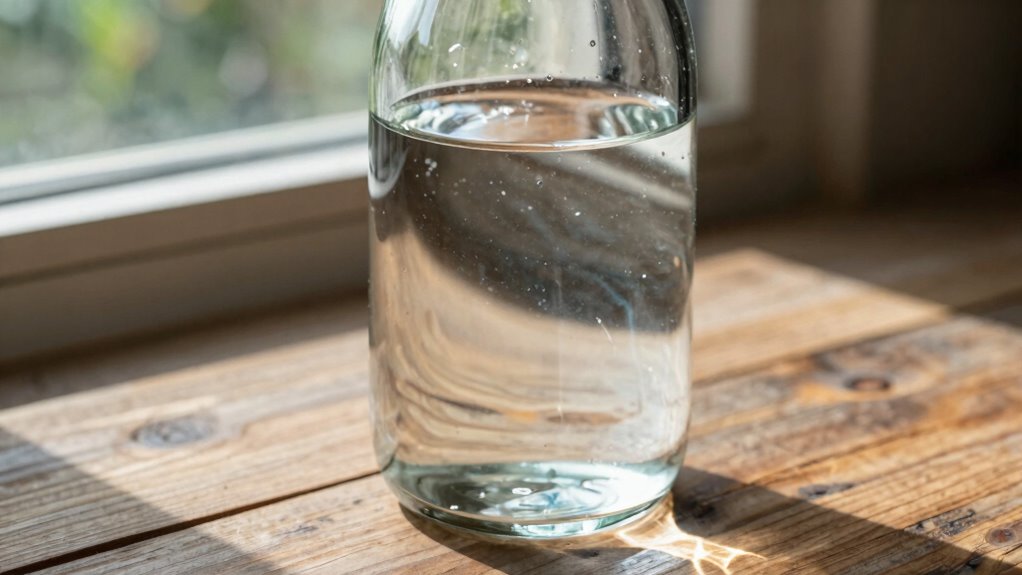

Your perception of a bottle’s quality and appeal is heavily influenced by its fill level. An ideal fill creates a sleek, attractive look that boosts your confidence in the product. Overfilled or underfilled bottles can make you feel hesitant or unimpressed, impacting your overall experience. When the fill level aligns with design and branding, it heightens satisfaction and anticipation. Keep going to discover how adjusting fill levels can truly enhance your drinking journey.

Get kitchen staples and gadgets delivered free with Prime
- Fast, free delivery on millions of items
- Prime Video, Amazon Music and more included
- Member-only deals all year
Key Takeaways
- The fill level influences visual appeal, affecting initial perception and attractiveness of the bottle.
- Proper fill levels create a sense of freshness and quality, enhancing consumer trust and expectations.
- Overfilled or underfilled bottles can evoke negative emotions, reducing anticipation and satisfaction.
- The fill level shapes emotional response, making the drinking experience more or less enjoyable.
- Visual cues from fill level impact perceived flavor quality and overall drinking satisfaction.
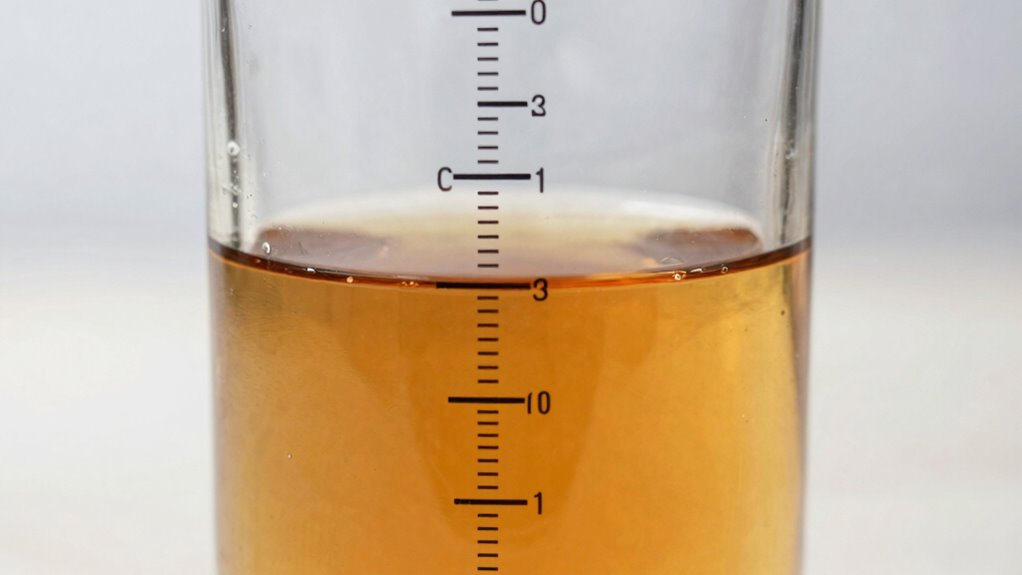
Have you ever noticed how the amount of liquid in a bottle can change the way you enjoy your drink? It’s more than just about how much is inside; it’s about how that amount influences your perception of the beverage before you even take a sip. The bottle presentation plays a significant role here, as the way a bottle looks can set expectations and create a specific mood. When a bottle is filled to the right level, it appears sleek and well-designed, which enhances your overall experience. Conversely, a poorly filled bottle, whether too full or too empty, can diminish that visual appeal. This is where fill level aesthetics come into play. The visual balance of liquid within a bottle affects how appealing the product appears on display, whether on a store shelf or in your hand.
The fill level shapes perception, making bottles look appealing or off-putting before tasting.
If a bottle is filled too high, it may seem crowded or prone to spilling, which can make you hesitant or less confident when pouring or drinking. On the other hand, if it’s too low, it might look incomplete or unprofessional, reducing your anticipation and enjoyment. The ideal fill level strikes a harmony that accentuates the bottle’s design, making it look attractive and inviting. When the fill level aligns with the bottle’s shape and labeling, it creates a sense of quality and care, elevating your perception of the drink’s value. Additionally, visual cues like fill level can influence your emotional response to the product.
Research shows that our perception of a product’s quality can be heavily influenced by visual presentation, including details like fill level. Beyond aesthetics, the fill level also impacts your sensory experience. A well-filled bottle might give you a sense of fullness and satisfaction before you even open it. It signals that the product is fresh and carefully packaged, which can influence your expectations about taste and quality. Furthermore, attention to packaging details like fill level can foster trust and loyalty among consumers. This perception can subtly influence how much you enjoy the drink once you taste it, as your brain associates visual cues with flavor quality.
Moreover, understanding the importance of product packaging can help brands optimize their display strategies to attract more customers. In essence, the amount of liquid in a bottle is more than just measurement—it’s a visual and psychological factor that shapes your entire drinking experience. When the fill level is thoughtfully considered, it enhances the overall bottle presentation and ensures that your first impression is positive. This attention to detail not only boosts your confidence in the product but also heightens your enjoyment from the first glance to the last drop.
adjustable bottle fill level indicator
As an affiliate, we earn on qualifying purchases.
As an affiliate, we earn on qualifying purchases.
Frequently Asked Questions
Does Bottle Fill Level Affect Beverage Shelf Life?
Yes, the bottle fill level can affect beverage shelf life because it influences packaging aesthetics and consumer perception. A fuller bottle minimizes exposure to oxygen, helping preserve freshness longer. Conversely, a less filled bottle might seem less appealing, possibly making consumers worry about quality or spoilage. So, maintaining an ideal fill level not only enhances visual appeal but also supports better product preservation, ensuring your beverage stays fresh longer.
Can Fill Level Influence the Beverage’s Carbonation or Freshness?
You might think a full bottle keeps your beverage fresher, but when it’s less filled, carbonation retention and flavor preservation suffer. A lower fill level exposes more air, causing carbonation to escape faster and flavors to degrade. Conversely, a higher fill level minimizes air contact, locking in bubbles and taste. So, filling your bottle properly guarantees your drink stays fizzy and flavorful longer, delivering a more satisfying experience.
Is There an Optimal Fill Level for Different Drink Types?
The ideal fill level varies by drink type, but generally, leaving enough headspace helps preserve flavor and carbonation. For sparkling beverages, fill bottles closer to the top to minimize oxygen contact, enhancing freshness. For still drinks, a slightly lower fill allows room for shaking or pouring without spilling. You should consider these factors to guarantee maximum flavor preservation and freshness, tailoring the fill level to each specific beverage.
How Does Fill Level Impact Bottle Recycling and Waste?
A higher fill level can improve recycling efficiency because bottles contain less air, making them easier to process and recycle. When bottles are filled more completely, there’s less space for contaminants or debris, reducing waste and preventing damage during recycling. Conversely, underfilled bottles contribute to waste and make recycling less efficient. Maintaining ideal fill levels supports waste reduction efforts and guarantees that recycling processes are more environmentally friendly and effective.
Does Filling Technique Vary With Bottle Fill Levels?
Filling technique absolutely varies with bottle fill levels, and it can dramatically change the entire experience. When you aim for perfect filling precision, your pouring technique must be flawless, almost like an art form. If the bottle is nearly full, you pour gently and carefully to avoid spillage. Conversely, lower fill levels might tempt you to pour faster, but precision remains key to ensuring the best presentation and minimizing waste.
Conclusion
So, next time you pick up a bottle, remember that the fill level isn’t just a detail—it’s part of the story your drink tells. A slightly lower or higher fill can subtly influence your experience, making each sip feel unique. Embrace these little nuances; they add a touch of charm and surprise to your everyday moments. After all, it’s the small differences that often make the journey more delightful than the destination.
Evergreen bestsellers Picks
bestsellers
As an affiliate, we earn on qualifying purchases.