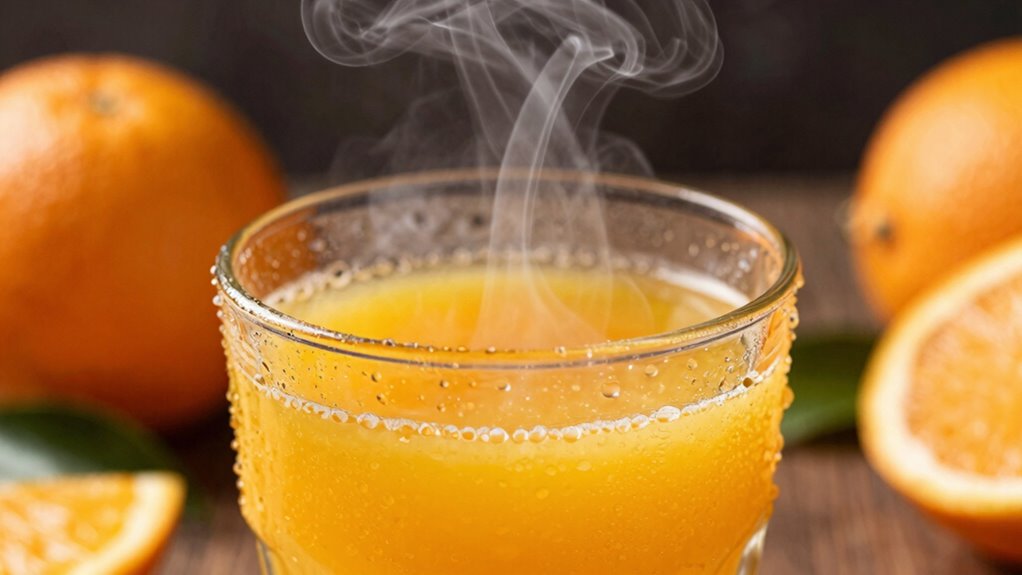

Many juice brands focus more on aroma than taste because a strong scent instantly attracts you and creates high expectations. They use vibrant packaging and appealing visuals to highlight aroma, which can mask less authentic flavors. Artificial aromas are cheaper and help mask lower-quality ingredients, making products seem more appealing. While this tricks your senses and boosts sales, it often means the flavor inside doesn’t match the enticing scent. Keep exploring to uncover how this trick influences your choices.

Get kitchen staples and gadgets delivered free — and shop member deals
- Fast, free delivery on millions of items
- Access to Prime Big Deal Days deals on October 6–7
- Prime Video, Amazon Music and more included
Key Takeaways
- Manufacturers prioritize aroma to create a strong, appealing scent that attracts consumers quickly.
- Artificial aromas are cheaper and easier to produce than authentic flavors, reducing production costs.
- Packaging enhances aroma perception through visuals and scent-preserving materials, boosting initial appeal.
- Emphasizing aroma can mask lower-quality ingredients and genuine flavor complexity.
- Marketing strategies focus on scent and packaging to drive sales, even if taste quality is secondary.
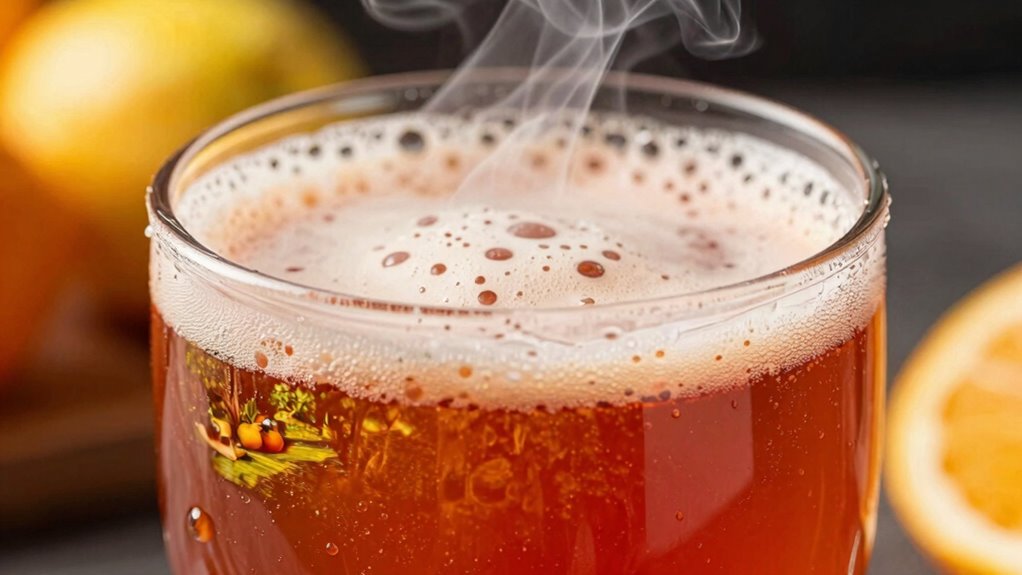
You might notice that some brand juices smell incredibly inviting but don’t quite deliver the same burst of flavor when you taste them. This discrepancy often puzzles many consumers, but understanding the role of aroma and how it’s crafted can shed light on why this happens. Many brands focus heavily on flavor enhancement through aroma because our sense of smell profoundly influences our perception of taste. When a juice emits a vibrant, fresh scent, your brain perceives it as flavorful, even if the actual taste isn’t as intense. This is a clever marketing tactic that plays on sensory cues to make the product seem more appealing. However, the flavor you experience when drinking can sometimes fall flat because the actual ingredients or processing methods don’t match the aroma’s promise.
Packaging influence plays a substantial part in this phenomenon. Juice bottles and cartons are designed to highlight the aroma, often through clear, vibrant labels, or by using packaging that preserves the scent better than the flavor. For example, some brands use packaging materials that trap and enhance the scent of the juice, making it more prominent when you open the bottle. This emphasis on aroma in packaging can create high expectations, but it doesn’t always align with the actual flavor profile inside. Manufacturers might optimize packaging to preserve aroma because it’s a quick and cost-effective way to attract consumers’ attention on store shelves. Bright colors, appealing images, and scent-enhancing packaging all work together to influence your initial impression, leading you to believe the juice will taste as good as it smells. Additionally, the use of aroma compounds can help create a consistent scent but may not reflect the true flavor complexity of the fruit. Sometimes, the focus on aroma is driven by cost-effective formulation choices that prioritize scent over genuine flavor development.
Furthermore, flavor masking techniques are often employed to hide less desirable ingredients, which can contribute to the disparity between aroma and actual taste. Some juices rely heavily on natural or artificial aroma compounds to mimic the scent of fresh fruit, but these additives don’t always replicate the complex flavor profile of the actual fruit. Instead, they create an illusion that’s more about scent than taste. This approach helps brands achieve a consistent aroma that appeals to consumers, but it can also be a way to mask lower-quality ingredients or less authentic flavors. In some cases, the artificial aroma used may be cheaper and easier to produce than authentic flavors, further contributing to the mismatch. Innovative flavor development techniques could potentially bridge this gap by creating more authentic taste experiences. Ultimately, the heavy emphasis on aroma and packaging influence is a strategic move to attract buyers, but it doesn’t always guarantee a satisfying taste experience. When you pick up a juice, remember that what appeals most at first sniff isn’t always an accurate reflection of what’s inside.
natural fruit juice with authentic flavor
As an affiliate, we earn on qualifying purchases.
As an affiliate, we earn on qualifying purchases.
Frequently Asked Questions
How Do Aroma-Enhancing Additives Affect Juice Quality?
Aroma-enhancing additives can improve your juice’s scent, but they often rely on aroma masking, which may hide less appealing flavors. If these additives lack purity, they can compromise the juice’s overall quality, making it taste artificial or off. You should look for products with high additive purity to guarantee the aroma enhances the natural fruit flavor without overshadowing or masking it, maintaining a genuine, enjoyable juice experience.
Are Scent-Focused Juices Less Healthy Than Taste-Focused Ones?
Think of scent-focused juices like a perfume bottle—more about the aroma than the fruit inside. These juices aren’t necessarily less healthy; they often contain natural sweetness and fruit authenticity. However, if scent additives replace real fruit, their nutritional value drops. So, while they might smell delightful, they could lack the genuine health benefits of taste-focused juices made from real, whole fruit, making the latter a smarter choice.
Can Aroma Dominance Mask Synthetic Flavoring in Juices?
Yes, aroma dominance can mask synthetic flavoring in juices through flavor masking and aroma enhancement. When a juice emphasizes its scent, it can distract your senses from detecting artificial tastes, making the drink seem more natural. Manufacturers use this technique to improve perception and hide less desirable flavors, so you might not realize that the flavor is artificially enhanced. Always check ingredient labels if you want a truly natural juice experience.
Do Consumers Prefer Aroma Over Taste in Juice Preferences?
You might find yourself drawn more by the enticing aroma than the actual taste, as aroma often acts like a siren song, pulling you in. Consumer perception shows many prefer a balanced flavor, but aroma’s vividness can overshadow taste, making it feel more appealing. While some savor the full flavor experience, others rely on aroma’s promise, highlighting that aroma often plays a starring role in juice preferences.
How Does Storage Impact Juice Aroma Versus Flavor?
Storage conditions considerably impact juice aroma preservation more than flavor. When you store juice improperly—exposing it to heat, light, or oxygen—you risk losing its vibrant aroma. Cooler, darker storage helps lock in aroma, while flavor remains relatively stable. You should keep juice sealed and refrigerated to maintain its aromatic qualities, ensuring it smells fresh and appealing when you open it. Proper storage directly enhances your enjoyment by preserving that enticing aroma.
Conclusion
So, next time you sip that seemingly perfect juice, pause and wonder—are you tasting the true fruit, or just smelling it? Behind the vibrant aroma, there’s a secret world of flavor manipulation waiting to surprise you. As you take another gulp, imagine the hidden layers of aroma masking the real taste, leaving you craving more. Will you ever uncover the truth behind what’s in your glass, or remain enchanted by its alluring scent? The choice is yours.
NFL season / tailgating Picks
team gear
As an affiliate, we earn on qualifying purchases.