TL;DR

Get kitchen staples and gadgets delivered free — and shop member deals
- Fast, free delivery on millions of items
- Access to Prime Big Deal Days deals on October 6–7
- Prime Video, Amazon Music and more included
A recipe for cake made from leftover juicer pulp is trending online, showcasing a creative approach to reducing food waste. The trend’s popularity is rising, but details about its origins and widespread adoption remain unclear.
Online search interest in recipes for making cake from leftover juicer pulp has surged in recent weeks, with social media posts and food blogs highlighting this innovative upcycling method. The trend emphasizes reducing food waste by repurposing pulp from fruit and vegetable juicing into baked goods, gaining popularity among environmentally conscious cooks.
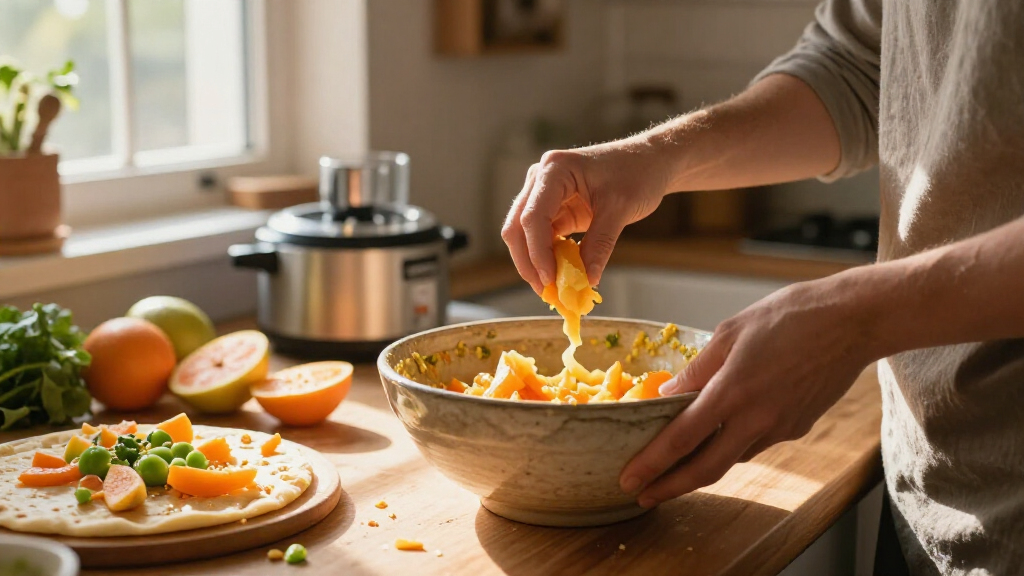
The recipe involves collecting pulp leftover from home juicing, which is then mixed with common baking ingredients like flour, eggs, sugar, and baking powder to create a cake batter. Several online sources suggest that this method not only minimizes waste but also imparts unique flavors and textures to baked goods. The trend appears to be driven by a broader movement toward sustainable cooking and upcycling food scraps, with some users claiming the cakes are moist and flavorful.
While the concept is gaining traction on social media platforms such as TikTok and Instagram, there is limited formal culinary or scientific validation of the method. Food safety experts advise ensuring pulp is stored properly and used promptly to prevent spoilage. The origin of the trend is unclear, and it is not yet confirmed whether it is a widespread culinary innovation or a niche experiment shared by a small community.
Potential Impact on Food Waste Reduction
This trend highlights a practical approach to tackling food waste by repurposing pulp that would otherwise be discarded. If widely adopted, such recipes could contribute to reducing household food waste, which accounts for a significant portion of overall waste globally. Additionally, it encourages creative use of ingredients, promoting sustainable cooking habits among consumers and small-scale food producers.
As an affiliate, we earn on qualifying purchases.
Growing Interest in Upcycling and Sustainable Cooking
Over recent years, there has been a rising awareness and interest in upcycling food scraps and reducing waste in the culinary community. Initiatives range from composting to innovative recipes that utilize parts of produce typically thrown away. The current trend of making cake from juicer pulp fits within this broader movement, which has seen increased coverage in food media and social media channels. The trigger for this specific trend remains unconfirmed, but it appears to be part of a larger wave of eco-conscious cooking practices.
Unconfirmed Origins and Widespread Adoption
It is not yet clear where the idea of making cake from juicer pulp first originated or whether it is being adopted widely beyond niche online communities. The trend appears to be emerging organically on social media, but there is no verified data on its prevalence or formal endorsements from culinary institutions.
Monitoring Adoption and Scientific Validation
Further observation will determine if the trend sustains growth or remains a niche activity. Experts may begin to study the safety and nutritional aspects of pulp-based baking, and more detailed recipes or guidelines could emerge. Food safety authorities might also evaluate the practice as it gains popularity.
Key Questions
Is it safe to eat cake made from juicer pulp?
Food safety experts recommend using pulp promptly and ensuring it is stored properly to prevent spoilage. Proper handling is essential to avoid foodborne illnesses.
Does the pulp affect the taste or texture of the cake?
Many early users report that pulp can add moisture and unique flavor notes, resulting in moist, flavorful cakes. However, results may vary depending on the type of pulp used.
Can I use any type of pulp for baking?
While most fruit and vegetable pulps can be used, it is advisable to avoid pulps with high spoilage risk or strong flavors that might overpower the cake. Experimentation is recommended.
Is this trend environmentally beneficial?
Yes, by repurposing pulp that would otherwise be discarded, this practice supports waste reduction and sustainable cooking habits.
Are there any recipes or guidelines available?
Currently, most information is shared through social media posts and blogs. Formal recipes and safety guidelines are still emerging.
Source: rss
Fall Picks
fall essentials
As an affiliate, we earn on qualifying purchases.
![[Mimi] Sushi. [16]](https://thejuiceryworld.com/wp-content/uploads/2026/09/mimi-sushi-16-featured-560x300.jpg)