
Choosing the right bottle size depends on your hydration needs, activity level, and sustainability goals. Smaller bottles (8-12 oz) are great for quick trips and on-the-go use, while larger sizes (16-32 oz) suit extended activities at home or outdoors. Consider how often you’ll refill and waste practices. Understanding these factors helps you pick the best option—more details continue to uncover ways to balance convenience with eco-friendliness.
Key Takeaways
- Match bottle size to your daily hydration needs and activity duration for optimal convenience and reduced waste.
- Consider smaller sizes (8-12 oz) for portability and on-the-go use, while larger bottles (16-32 oz) suit extended activities at home.
- Review labeling for ingredient details and sustainability info to make informed, eco-friendly choices.
- Larger bottles tend to generate more waste but offer cost savings for frequent, long-term use.
- Select reputable brands with eco-conscious packaging to ensure quality and environmental responsibility.

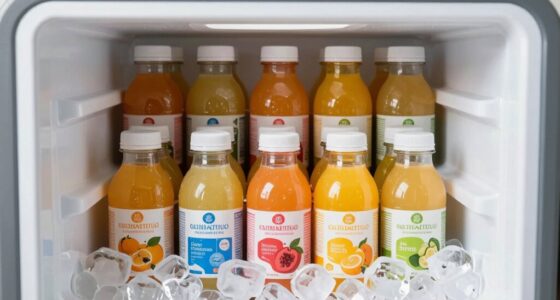
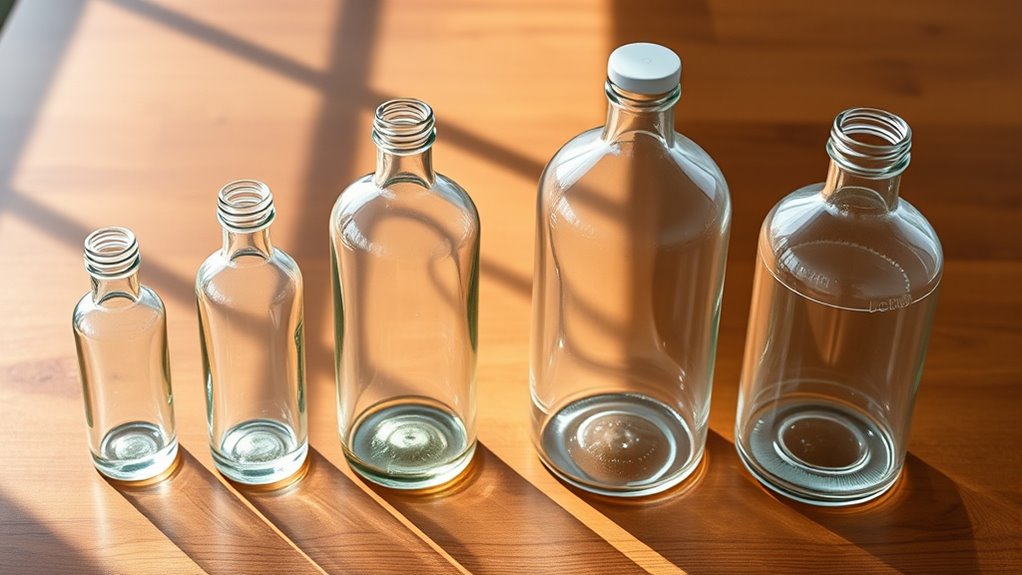
Selecting the right bottle size can make a significant difference in how convenient and practical your beverage experience is. When choosing between different sizes, it’s essential to consider how the bottle’s capacity aligns with your needs and lifestyle. Smaller bottles, like 8 or 12 ounces, are perfect for on-the-go hydration or portion control. Larger sizes, such as 20, 32, or even 64 ounces, are better suited for extended use at home or during outdoor activities. The key is finding a balance that minimizes waste while maximizing convenience.
Choosing the right bottle size balances convenience, needs, and waste reduction for a practical beverage experience.
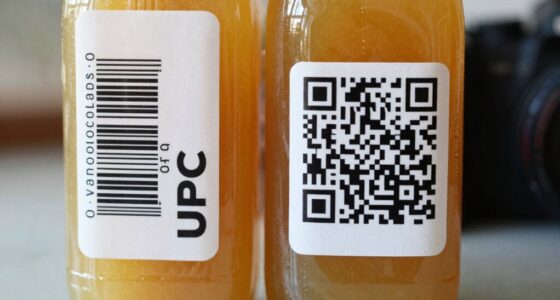
Labeling standards also play a vital role in your decision. Clear, accurate labels help you understand what you’re buying, including serving size, ingredients, and nutritional information. Proper labeling guarantees you’re aware of how much beverage you’re consuming, which can influence your choice of bottle size. For example, if a 16-ounce bottle contains more caffeine or sugar than you intend to consume at once, you might opt for a smaller size or split your drink into multiple servings. Additionally, labels that highlight environmental impact can guide you toward more sustainable choices. Many brands now include information about recyclability or eco-friendly packaging, encouraging consumers to reduce waste by selecting bottles that align with environmental standards.
Speaking of environmental impact, bottle size directly affects your ecological footprint. Larger bottles tend to generate more waste if discarded improperly, and they often require more resources to produce and transport. Conversely, smaller bottles can reduce waste if you only buy what you need. However, they also tend to be single-use, which can contribute to environmental degradation if not recycled properly. Choosing eco-conscious brands that use recyclable materials or refillable options can help mitigate this impact. Keep in mind that smaller bottles often come with higher per-ounce costs, but they may be more environmentally friendly if they lead to less waste overall.
Furthermore, vetted brands known for their quality and sustainability practices can help you make environmentally responsible choices. In the end, selecting the right bottle size isn’t just about convenience; it’s about making a smart choice that considers labeling standards for transparency and environmental impact for sustainability. By being mindful of these factors, you can enjoy your beverages without compromising your values—whether that’s reducing waste, supporting eco-friendly brands, or simply ensuring you get the right amount of hydration. The best bottle size aligns with your daily routines, health goals, and environmental consciousness, making your beverage experience both enjoyable and responsible.
As an affiliate, we earn on qualifying purchases.
Frequently Asked Questions
How Do I Convert Ounces to Milliliters Accurately?
To convert ounces to milliliters accurately, remember that 1 fluid ounce equals approximately 29.57 milliliters. For precise unit conversion and measurement accuracy, multiply the number of ounces by 29.57. For example, if you have 5 ounces, multiply 5 by 29.57, giving you about 147.85 milliliters. Using this method guarantees you maintain measurement accuracy when converting between these units.
What Bottle Size Is Best for Travel?
For travel, a 3.4-ounce (100ml) bottle is your best choice, complying with travel restrictions like TSA’s 3-1-1 rule. It’s compact and easy to carry, reducing clutter in your bag. Plus, choosing a smaller bottle helps lessen environmental impact by minimizing plastic waste. You stay within regulations, stay organized, and contribute to sustainability — making your travel experience smoother and eco-friendlier.
Are Larger Bottles More Cost-Effective?
Larger bottles often offer better bulk savings, making them more cost-effective if you use the product regularly. However, keep in mind the environmental impact, as bigger bottles mean more plastic waste if not reused or recycled properly. If you’re mindful of sustainability, smaller bottles might be better despite higher per-ounce costs. Balance your needs and environmental concerns to choose the most economical and eco-friendly option for you.
How Do I Select the Right Size for My Beverage?
You should select a bottle size that balances aesthetics and practicality, as 75% of consumers judge brand perception based on packaging. Consider your target audience and how the bottle size complements your brand image. Smaller bottles are portable and eco-friendly, while larger ones convey value. Think about how your product’s look influences customer appeal, and choose a size that enhances both the aesthetics and your brand’s overall perception.
Can Bottle Size Affect Product Freshness?
Yes, bottle size can affect product freshness. Smaller bottles typically preserve freshness longer because they limit exposure to air and light, which can degrade contents. When selecting a bottle size, consider the bottle material, as glass or PET bottles offer different preservation qualities, and make certain your packaging meets labeling regulations. Properly sized bottles help maintain freshness, reduce waste, and comply with legal standards.
Conclusion
Ultimately, selecting the right bottle size is about finding what suits your needs best, gently guiding your choices without pressure. Remember, sometimes less is more, and other times, a little extra makes all the difference. Trust your instincts and embrace the flow of your daily routine. By paying attention to what truly fits your lifestyle, you’ll naturally find the perfect balance, ensuring your journey remains smooth and satisfying.