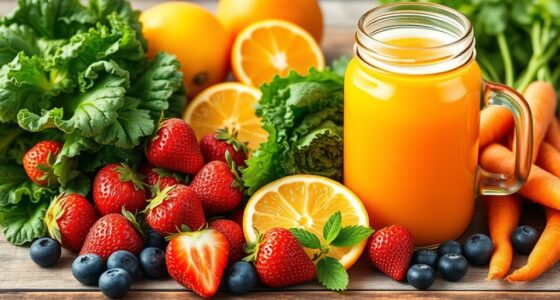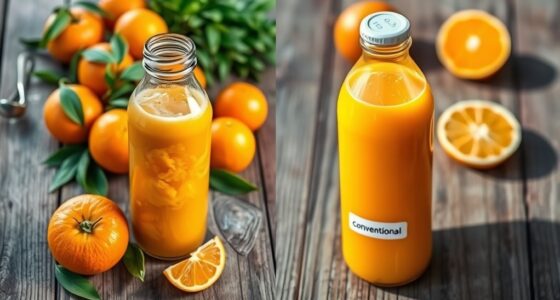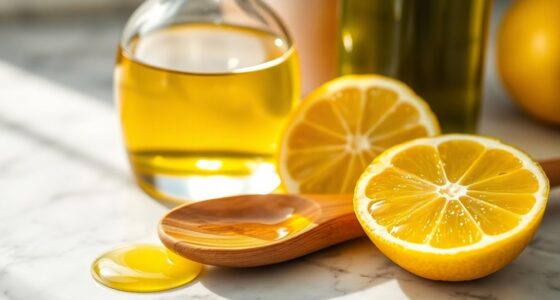
Choosing cold-pressed and organic products makes a real difference because they retain more nutrients, flavors, and natural enzymes compared to conventional options. Cold pressing keeps delicate vitamins and antioxidants intact, while organic farming avoids harmful chemicals and pesticides. This means you get richer tasting oils and healthier benefits with fewer residues. If you want to enhance your meals and support better health and sustainability, discovering more about these choices is worth it.

Get kitchen staples and gadgets delivered free with Prime
- Fast, free delivery on millions of items
- Prime Video, Amazon Music and more included
- Member-only deals all year
Key Takeaways
- Cold-pressed methods preserve nutrients, enzymes, and natural flavors better than traditional high-heat extraction.
- Organic certification ensures oils are free from pesticides and chemicals, maintaining higher purity and nutrient content.
- Combining both practices results in richer, more flavorful oils with enhanced health benefits.
- Choosing organic and cold-pressed supports sustainable farming and reduces chemical exposure.
- Overall, these methods provide higher quality, more nutritious, and environmentally friendly products.
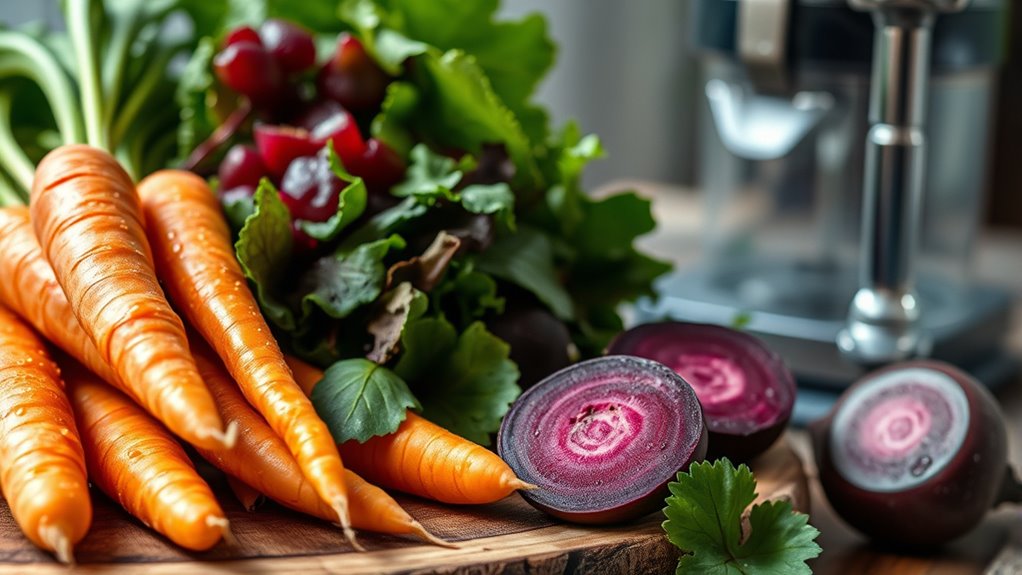
Have you ever wondered why cold-pressed and organic products are gaining popularity? It’s because more people are realizing that these choices can make a real difference in the quality of what they consume. When you choose cold-pressed oils or organic produce, you’re opting for products that are minimally processed and free from synthetic additives. This approach helps preserve the natural integrity of the ingredients, leading to better nutrient retention. Unlike traditional methods that involve high heat or chemicals, cold-pressing keeps delicate vitamins, enzymes, and antioxidants intact. As a result, you get a richer, more nutritious product that supports your health better. Organic farming, on the other hand, emphasizes soil health and avoids harmful pesticides and chemicals. This means the fruits, vegetables, and oils you buy are less likely to contain residues that can compromise nutrient content. The end result is a product with higher nutrient density, giving you more benefits with each serving.
Beyond nutrition, flavor enhancement plays a significant role in why these products are sought after. Cold-pressed oils often have a more vibrant, robust taste because they retain the natural oils’ full flavor profile. Instead of a bland or processed flavor, you get a richer aroma and taste that elevates your dishes. Organic produce also tends to have a fresher, more authentic flavor since it’s harvested at peak ripeness and handled carefully to preserve its natural qualities. This means your meals become more flavorful, making everyday eating more enjoyable. Additionally, high-quality projectors can significantly improve your home cinema experience by providing clearer images and more vivid colors, complementing the quality of your organic meals. When you use cold-pressed oils or organic ingredients, you notice the difference not just in taste but in how it enhances the overall sensory experience of your food.
Choosing cold-pressed and organic isn’t just about health or flavor; it’s about making a conscious decision to prioritize quality. You’re supporting sustainable farming practices and reducing your exposure to synthetic chemicals. This is good for your body and the environment. The emphasis on nutrient retention ensures that you’re getting the maximum health benefits, while flavor enhancement makes your meals more satisfying. It’s a win-win situation that encourages you to be more mindful of what you put into your body. Over time, these choices can lead to better health outcomes and a more enjoyable eating experience. So, next time you’re shopping, consider the value of cold-pressed and organic options—they’re not just trendy, but a smart move toward better nutrition and taste.
As an affiliate, we earn on qualifying purchases.
Frequently Asked Questions
How Does Cold-Pressing Preserve Nutrients Better Than Other Methods?
Cold-pressing preserves nutrients better than other methods because it minimizes heat exposure, which helps maintain nutrient retention. By avoiding high temperatures, it prevents oxidation that can degrade vitamins and minerals. You’ll notice that cold-pressed oils or juices retain more of their original nutrients, offering you healthier options. This gentle process guarantees you get maximum benefits, making it a smart choice for those seeking nutrient-rich, fresh products.
Are Organic Labels Strictly Regulated Across Different Countries?
Imagine you’re shopping for organic juice abroad, but the label’s meaning varies. Organic labels aren’t strictly regulated across countries, leading to inconsistent certification. International standards aim to guarantee quality, but enforcement varies. You might find a product certified organic in one country, yet not meet the same criteria elsewhere. So, always check for trusted certifications to guarantee you’re buying genuinely organic products, regardless of where you are.
Can Cold-Pressed and Organic Products Be More Affordable?
Yes, cold-pressed and organic products can sometimes be more affordable when you do a price comparison. While they often cost more upfront, shopping smartly and looking for discounts or bulk options can improve your consumer affordability. Keep in mind that quality and health benefits might justify the extra cost. Being informed helps you find the best deals, making these healthier choices more accessible without breaking your budget.
What Are the Environmental Impacts of Organic Farming?
Imagine lush green fields thriving with vibrant crops, thanks to organic farming. You’ll find that it benefits the environment by reducing chemical runoff and promoting soil health management. Organic farming emphasizes sustainable pest control, minimizing harm to beneficial insects and ecosystems. This approach helps preserve biodiversity, improve soil fertility, and lower pollution, making it a more eco-friendly choice. By supporting organic practices, you contribute to a healthier planet for future generations.
How Do I Verify if a Product Is Truly Organic and Cold-Pressed?
You can verify if a product is truly organic and cold-pressed by checking certification processes on the label, such as USDA Organic or other reputable seals. Look for clear, accurate labeling that specifies “cold-pressed” and “organic,” and avoid vague claims. Research the certifying organization if needed, and trust brands that prioritize transparency and adhere to strict standards to guarantee label accuracy and genuine quality.
Conclusion
So, whether you chase the gentle whisper of cold-pressed or the pure promise of organic, remember it’s your choice to make. Like a dance with nature’s finest, each option sings a unique tune—vibrant, authentic, alive. When you pick with intention, you’re nurturing your body’s garden, letting freshness blossom and health flourish. Ultimately, it’s your journey—crafted with care, guided by your heart—where every drop holds the power to nourish your life’s vibrant melody.
Halloween Picks
halloween
As an affiliate, we earn on qualifying purchases.