
To compare juice flavors without mixing up sweetness and aroma, start by gently swirling the juice in a glass to release its scent, then take a quick sniff. Focus on aroma separately from taste by taking small sips and allowing the juice to sit on your palate. Use cleansing agents like water or crackers between tastings to reset your senses. Paying close attention to core flavors and nuances will help you distinguish true flavor from aromatic perception—there’s more to discover if you keep exploring.

Get kitchen staples and gadgets delivered free with Prime
- Fast, free delivery on millions of items
- Prime Video, Amazon Music and more included
- Member-only deals all year
Key Takeaways
- Use gentle swirling and quick sniffing to assess aroma separately before tasting to avoid confusion with flavor.
- Take small sips and focus on how flavors evolve on the palate, not just initial sweetness.
- Cleanse your palate with water or neutral foods between tastings to prevent residual flavors from affecting judgment.
- Differentiate aroma from flavor by analyzing how aromatic compounds influence perception during tasting.
- Focus on core flavor profiles (citrus, berry, tropical) and note balance to distinguish true flavor from sweetness.

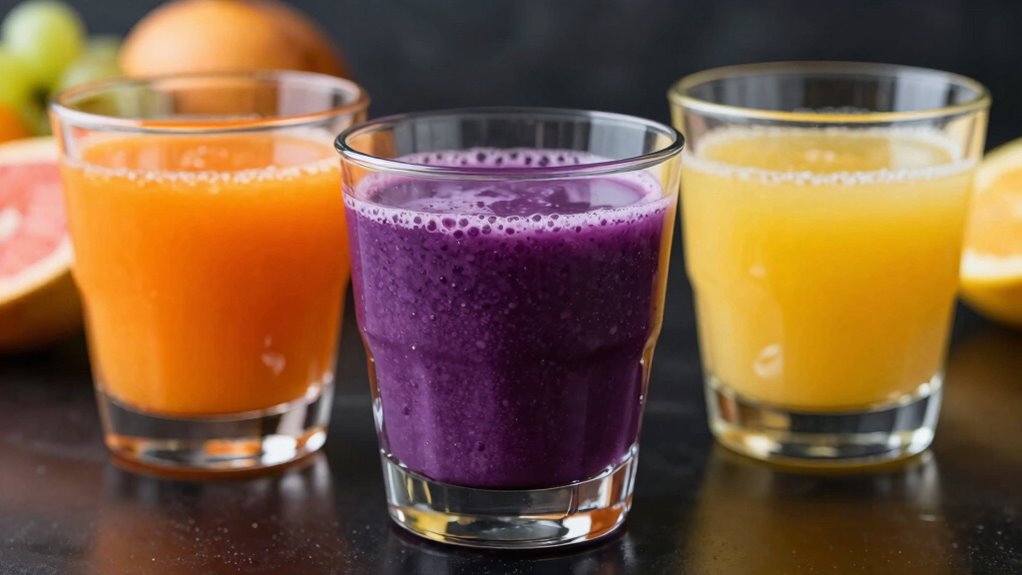
Have you ever wondered how to determine which juice flavor is truly the best? When you’re faced with a variety of options, it’s easy to confuse sweetness with aroma, but understanding the difference is key to making an accurate comparison. To do this effectively, you need to focus on tasting techniques that help you distinguish between the two. Instead of simply relying on your initial impression, take deliberate steps to break down each element. Start by swirling the juice gently in your glass to release its aroma, then take a quick sniff. Aromas can be deceptive, often amplified or masked by added sugars, so don’t let scent alone guide your judgment. Instead, move on to tasting the juice, taking small sips and letting it sit on your palate. Pay close attention to the flavor pairing—how the different taste components interact. Is it tangy, sweet, or perhaps slightly bitter? Does the flavor evolve as you swallow? These aspects reveal the true character of the juice, beyond just its aroma or residual sweetness. Recognizing the importance of flavor profile analysis can greatly enhance your ability to compare different juices accurately. When comparing multiple flavors, it helps to cleanse your palate between tastings. Drink a glass of plain water or chew on a neutral food like unsalted crackers to reset your taste buds. This technique can prevent flavor contamination from affecting subsequent tastings and ensure a more genuine assessment. Additionally, understanding how different aromatic compounds influence perception can help you differentiate between aroma and flavor more effectively. Being aware of how sensory perception varies between individuals can also deepen your understanding of flavor nuances. Incorporating this knowledge about sensory cues can improve your overall tasting skill and lead to more consistent evaluations. This way, no lingering flavors or sweetness from one sample influences your perception of the next. As you taste, focus on the core flavors—whether it’s citrus, berry, tropical fruit, or vegetable-based. Notice how the flavor pairing guides your overall impression; for example, a good juice balances sweetness with a hint of tartness, making the flavor more complex and satisfying. Avoid being distracted by overly sweet juices, which can mask subtler flavors. Instead, look for elements like acidity, bitterness, or astringency that contribute to a more nuanced profile.
As an affiliate, we earn on qualifying purchases.
Frequently Asked Questions
How Can I Identify Subtle Flavor Differences in Juices?
To identify subtle flavor differences in juices, focus on flavor layering and aroma complexity. Take small sips and pause to notice how each layer unfolds—sweetness, acidity, and fruity notes. Smell the aroma deeply before tasting to detect nuanced scents. By paying close attention to both aroma and flavor progression, you’ll distinguish even the faintest distinctions, sharpening your palate and enhancing your appreciation for each unique juice.
What Tools Are Best for Analyzing Juice Aroma Profiles?
You should use tools like a flavor wheel and aroma chart to analyze juice aroma profiles. The flavor wheel helps you identify specific aroma categories, while the aroma chart provides detailed scent descriptions. By comparing your juice’s scent to these tools, you can pinpoint subtle differences and avoid confusion. These visual aids make it easier to distinguish nuanced aromas, enhancing your overall understanding of the juice’s aroma profile.
How Does Temperature Affect Juice Flavor Perception?
Ever wonder why juice taste changes with your sip? Flavor temperature plays a huge role. Cold juice dulls your senses, muting aroma and flavor details, while warm juice amplifies aromatics but can intensify perceived sweetness or bitterness. To truly compare flavors, sensory calibration is key—try tasting at different temperatures to see how your perception shifts. Remember, temperature tweaks your tasting game, revealing hidden nuances you’d miss otherwise.
Can Blending Different Juices Enhance Flavor Clarity?
Blending different juices can definitely enhance flavor clarity by creating layered profiles and increasing aroma complexity. When you mix juices, each contributes unique notes, making it easier to distinguish individual flavors rather than blending into a vague sweetness. To maximize clarity, experiment with small batches, balancing the intensity of each juice. This approach lets you appreciate the intricate flavor layering and aroma nuances, leading to a more refined and enjoyable tasting experience.
Are There Specific Tasting Techniques for Pure Aroma Evaluation?
Yes, you can evaluate pure aroma by focusing on aroma intensity and scent layering. To do this, take a gentle sniff, noting the initial impression and layers of scent as they unfold. Avoid over-swirling to prevent overpowering. Instead, breathe in slowly, distinguishing between fruity, floral, or earthy notes. This technique helps you accurately assess aroma without interference from sweetness or other flavor components.
Conclusion
Now that you know how to distinguish sweetness from aroma, you’re ready to become a juice connoisseur. Think of each sip as a journey through a vibrant garden, where every flavor tells a story. With your senses finely tuned, you’ll reveal the hidden layers behind each juice’s charm. So, embrace the tasting adventure — let your palate be the compass guiding you through this delicious world of flavors, one sip at a time.
Columbus Day / Indigenous Peoples' Day Picks
long weekend sales
As an affiliate, we earn on qualifying purchases.