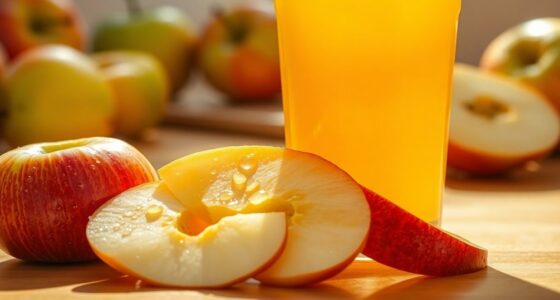

When you juice fruits and vegetables, much of the fiber, especially soluble fiber, stays in the pulp and gets discarded if you remove it. The juice itself mainly contains water-soluble vitamins, antioxidants, and some insoluble fiber if you include the pulp. Different juicing methods affect how much fiber remains; cold-pressed juices retain more fiber than standard centrifugal types. If you want to get the most fiber from your juice, the technique you choose matters—exploring this can help you make healthier choices.
Key Takeaways
- Most dietary fiber, especially soluble fiber, is retained in pulp and often discarded during juicing.
- Clear juice typically contains fewer fibers, leading to reduced health benefits related to fiber intake.
- Cold-press or masticating juicers preserve more fiber compared to high-speed centrifugal juicers.
- Incorporating pulp back into juice or consuming it separately maintains higher fiber content.
- Fiber loss during juicing impacts digestion, blood sugar regulation, and cholesterol management.

Have you ever wondered how fiber and juice work together in your diet? When you press fruit or vegetables to make juice, you’re engaging in a process that involves juice extraction techniques designed to separate liquid from solid components. These techniques vary—from simple hand-squeezing to advanced mechanical presses—but their goal remains the same: to extract as much liquid as possible while leaving behind the fibrous pulp. During this process, much of the fiber, especially the soluble kind, gets left behind in the pulp or discarded altogether. This means that when you drink freshly pressed juice, you’re often consuming a liquid rich in vitamins and minerals but lacking the fiber that’s integral to the whole fruit or vegetable.
Fiber processing plays a pivotal role here. It’s the step that determines how much fiber remains in the final product. When juice extraction techniques focus solely on removing the pulp to produce a clear, smooth liquid, most of the dietary fiber is separated out. The insoluble fiber, which adds bulk to your stool and aids digestion, tends to stay in the pulp that’s often discarded or used in other food products. Soluble fiber, which can help regulate blood sugar and lower cholesterol, is more easily broken down or lost during processing, especially if the juice is heavily filtered. Conversely, juicing methods that incorporate pulp or leave some of it in your drink help retain more fiber. Cold-press or masticating juicers, for example, tend to preserve more of the natural fiber content compared to high-speed centrifugal juicers, which generate heat and can degrade some nutrients and fiber.
Understanding how these processes work helps you make better choices about your health. If you want to maximize fiber intake, opting for smoothies or juicing methods that retain pulp is a smarter move. These methods preserve the insoluble fiber that promotes proper digestion and helps you feel full longer. On the other hand, if you prefer clear juice without pulp, you’re missing out on much of that fiber. This doesn’t mean juice isn’t beneficial—it still provides essential vitamins and antioxidants—but it’s less effective at supporting gut health and maintaining steady blood sugar levels. So, when you’re planning your diet, consider how fiber processing and juice extraction techniques influence what you’re actually consuming. Being aware of fiber retention methods can help you choose products that better support your nutritional goals. The more you understand about these processes, the better you’ll be at choosing the right products to meet your nutritional needs.

EanOruus Juicer Machines, 3-in-1 Cold Press Juicer with 6.5" Extra Large Chute, 100oz Large Capacity, AC Motor, Makes Juice, Nut Milk & Sorbet, Premium Gray
3-in-1 Versatility for Wellness: Equipped with two interchangeable strainers (Juice & Sorbet), easily switch between extracting pure, nutrient-rich…
As an affiliate, we earn on qualifying purchases.
As an affiliate, we earn on qualifying purchases.
Frequently Asked Questions
Can Juice Be Fortified With Fiber?
Yes, you can fortify juice with fiber through fiber supplementation or juice fortification. Adding soluble fibers like inulin or psyllium can boost fiber content without altering taste markedly. This process helps retain some nutritional benefits lost during juicing while making your drink more filling and beneficial for digestion. Just ensure you choose the right type of fiber and follow proper mixing techniques for a smooth, nutritious fortified juice.
How Does Cooking Affect Fiber Content in Fruits?
Cooking can cause fiber degradation in fruits, especially with methods that involve high heat or prolonged cooking times. Boiling or steaming may break down some fiber structures, reducing their health benefits, while gentle methods like roasting might preserve more fiber. You should choose cooking methods carefully to maintain fiber content, as excessive heat can diminish fiber’s effectiveness, impacting digestion and overall nutrition.
Are There Juice Types With Higher Fiber Retention?
You might think all juices lose fiber equally, but some types like smoothies and unfiltered juices offer better fiber preservation due to minimal filtration. These juices retain more fiber because they avoid extensive filtration processes that strip out pulp. To maximize fiber retention, choose juices labeled as “unfiltered” or “with pulp,” as they help maintain fiber content, offering more health benefits than heavily processed, clear juices.
What Are the Health Benefits of Fiber in Juice?
You gain health benefits from fiber in juice because it aids fiber digestion and slows down juice absorption. This helps regulate blood sugar levels, keeps you full longer, and improves digestion overall. Fiber also supports a healthy gut by promoting regularity and feeding beneficial bacteria. So, consuming fiber-rich juice boosts your energy, enhances digestion, and contributes to overall wellness, making your body work more efficiently.
How Do Fiber and Juice Impact Blood Sugar Levels?
Fiber in juice slows down fiber absorption, helping you control blood sugar levels. Without enough fiber, your body absorbs sugars quickly, causing sugar spikes that can lead to energy crashes and long-term health issues. When you consume fiber-rich juice, it moderates the sugar absorption process, preventing sharp blood sugar increases. So, including fiber helps you maintain steadier energy and reduces the risk of insulin spikes, supporting overall health.

NEWBULIG Cold Press Juicer Machines, Masticating Juicer with High Juice Yield, Reverse Function, Stops Oxidation and Easy to Clean for Vegetables & Fruits, Black
Safe, blade-free design uses a masticating system for everyday safety. Automatic safety lock stops operation when opened, ideal…
As an affiliate, we earn on qualifying purchases.
As an affiliate, we earn on qualifying purchases.
Conclusion
So, next time you reach for juice instead of whole fruit, ask yourself: are you really getting the full benefits? While juice offers quick refreshment, it often loses much of the fiber that keeps your digestion healthy and stabilizes blood sugar. Do you want that burst of sweetness or the lasting health benefits? Remember, choosing whole fruits keeps both the flavor and the nutrients intact—so why settle for less?
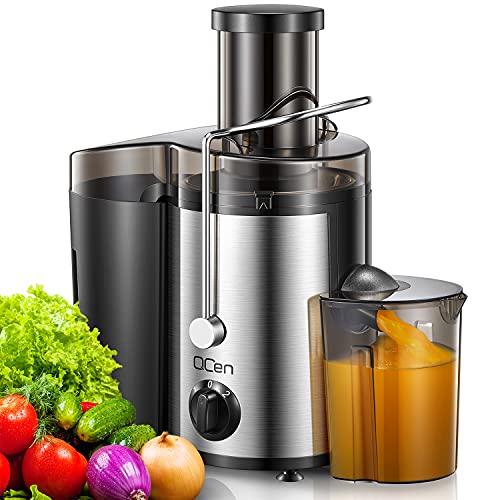
Qcen Juicer Machine, 500W Centrifugal Juicer Extractor with Wide Mouth 3” Feed Chute for Fruit Vegetable, Easy to Clean, Stainless Steel, BPA-free (Black)
Upgraded 500W Motor – Centrifugal juicer machine with upgraded 500W high speed motor, more efficient and powerful, last…
As an affiliate, we earn on qualifying purchases.
As an affiliate, we earn on qualifying purchases.

Juice Strainer for Nama J2 Cold Press Juicer,Pulp Strainer After Juicing,Suitable for Nama J2 Juicer Secondary Fine Filter Accessories—Hands-Free and Fitting Most Containers,304 Stainless(White)
For Nama J2 Juicer-Specific Cold Pressed Juice Strainer: This secondary fine juice strainer is exclusively designed for Nama…
As an affiliate, we earn on qualifying purchases.
As an affiliate, we earn on qualifying purchases.

Cindy thoroughly researches juicing trends, techniques, and recipes to provide readers with practical advice and inspiration. Her writing style is accessible, engaging, and designed to make complex concepts easy to understand. Cindy’s dedication to promoting the advantages of juicing shines through her work, empowering readers to make positive changes in their lives through the simple act of juicing.