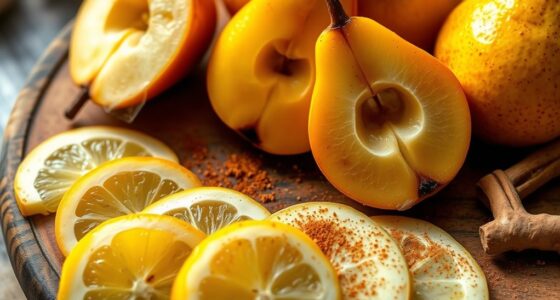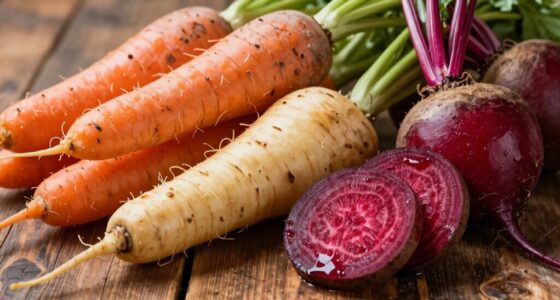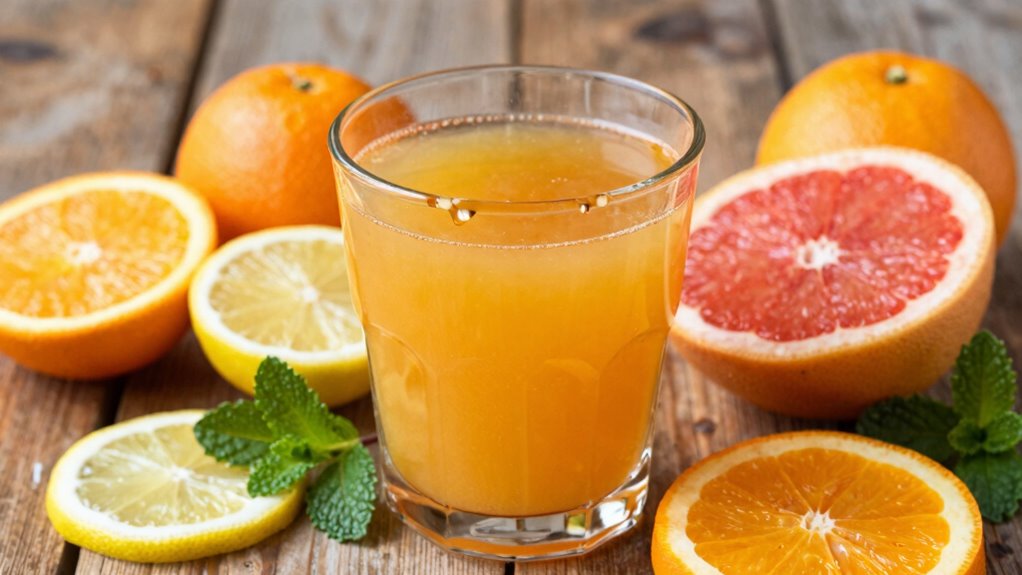

To build a fruit-forward juice that feels balanced, start with a primary ripe fruit to establish flavor and layer in supporting ingredients like tart berries or citrus for brightness. Combine complementary flavors to add complexity, and include fresh produce like cucumber or carrots for texture and nutrition. Rely on natural sweetness, adjusting with minimal honey if needed, and prioritize ripe, fresh ingredients for the best taste and nutrients. Keep experimenting with different combinations—you’ll discover how to craft a harmonious, vibrant juice you’ll enjoy every time.

Get kitchen staples and gadgets delivered free with Prime
- Fast, free delivery on millions of items
- Prime Video, Amazon Music and more included
- Member-only deals all year
Key Takeaways
- Start with a dominant, flavorful fruit as the base to establish a clear, fruit-forward profile.
- Layer supporting fruits like berries or tropical options to add complexity without overwhelming.
- Incorporate citrus or tart fruits to introduce brightness and balance sweetness.
- Use vegetables or hydrating ingredients to add texture, fiber, and subtle earthiness.
- Adjust with minimal natural acids or sweeteners to maintain harmony and prevent overpowering fruit flavors.
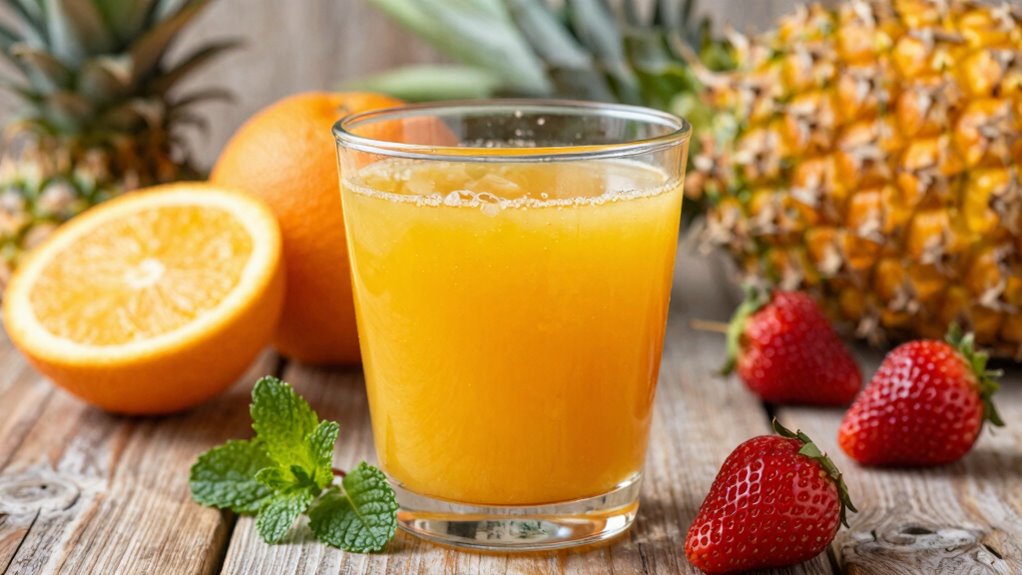
Creating a fruit-forward juice is a simple way to enjoy the vibrant flavors and natural sweetness of fresh produce. To craft a juice that highlights these qualities, focus on thoughtful flavor pairing. Combining fruits with complementary tastes ensures your juice isn’t just sweet but also complex and satisfying. For example, pairing tart apples with ripe berries creates a lively balance, while adding citrus like oranges or grapefruits introduces a zesty brightness. Think about contrasting flavors—sweet with tart, smooth with tangy—to bring out the best in each ingredient. This approach prevents your juice from becoming monotonous, giving it layers of flavor that make every sip enjoyable.
Creating a fruit-forward juice combines vibrant flavors and thoughtful pairings for a delicious, balanced beverage.
While emphasizing fruit-forwardness, you also want to maintain nutritional balance. Juices can easily become overly sweet or nutrient-deficient if you’re not mindful. To keep your juice healthy, include a variety of fruits that offer different vitamins, minerals, and antioxidants. Incorporate berries for their high antioxidant content, and add tropical fruits like pineapple or mango for a burst of vitamin C and enzymes. You can also include vegetables such as carrots or cucumber to add subtle earthiness and fiber, which help balance the natural sugars from the fruits. Remember, a well-rounded juice provides more than just sweetness; it delivers essential nutrients that support your overall health. Understanding flavor pairing can help you create more harmonious and enjoyable blends.
When building your juice, start with a primary fruit that forms the base and then layer in supporting ingredients. For instance, if your main flavor is mango, add pineapple for acidity and a splash of lemon or lime for extra brightness. Don’t be afraid to experiment with small batches to find the perfect balance. Use fresh, ripe fruits whenever possible, since they deliver the best flavor and nutritional value. Keep in mind that the texture matters too—adding a bit of cucumber or celery can give your juice a revitalizing twist and improve its hydration benefits. Additionally, understanding the importance of flavor pairing can help you create more harmonious and enjoyable blends. Incorporating knowledge about nutritional balance can further enhance the health benefits of your juice.
Lastly, consider the sweetness level. You want your juice to taste naturally sweet without relying on added sugars. If it’s too tart or bland, adjust with a touch of honey or a few ripe dates, but do so sparingly. The goal is to preserve the fruit’s pure flavors while creating a harmonious, balanced beverage. With careful flavor pairing and attention to nutritional balance, you’ll be able to craft a fruit-forward juice that’s both delicious and nourishing—perfect for any time of day.
As an affiliate, we earn on qualifying purchases.
Frequently Asked Questions
Can I Substitute Frozen Fruits for Fresh in Juice Recipes?
Yes, you can substitute frozen fruit for fresh in juice recipes. Frozen fruit works well for frozen fruit substitution, especially when fresh options aren’t available. Keep in mind, frozen fruit can make your juice thicker or more slushy, so you might need to add a splash of water or juice to adjust the juice consistency. This way, you maintain a smooth, balanced texture while enjoying the fruit-forward flavor.
What’s the Best Way to Store Homemade Fruit Juice?
To store your homemade fruit juice effectively, focus on juice preservation by using airtight storage containers, like glass bottles or jars. Keep the juice refrigerated to slow down spoilage and consume it within 24-48 hours for the best flavor. If you need longer storage, consider freezing the juice in small portions, which helps maintain freshness. Always shake or stir the juice before serving to blend any settled pulp.
How Do I Adjust Sweetness Levels Without Added Sugar?
If you find your juice needs more sweetness without added sugar, try natural sweeteners like ripe fruit or a touch of honey or maple syrup. These enhance flavor balancing naturally, preventing the drink from becoming overly sugary. You might also adjust by adding a splash of lemon or lime juice, which can brighten flavors and create a more balanced, fruit-forward taste that feels naturally sweet and satisfying.
Are There Any Fruits to Avoid Combining in Juice?
You should avoid combining fruits with conflicting flavor pairings or nutrient interactions. For example, avoid mixing citrus with bananas, as citrus’s acidity can overpower the banana’s subtle sweetness and cause a bitter taste. Also, steer clear of combining high-water-content fruits like watermelon with dense, starchy fruits like mango, which can dilute flavors. Focus on complementary flavor pairings and mindful nutrient interactions to keep your juice balanced and delicious.
How Long Does Homemade Fruit Juice Stay Fresh?
Homemade fruit juice usually stays fresh for about 24 to 48 hours when stored in the fridge. To extend its freshness, limit fruit oxidation by keeping the juice airtight and cold. If you want longer shelf life, consider juice pasteurization, which can keep it fresh for up to a week. Always smell and taste before drinking, and discard if it develops an off smell or appearance.
Conclusion
Now that you know how to craft a fruit-forward juice that feels perfectly balanced, you’re equipped to create beverages that dance on your taste buds. Remember, the secret isn’t just in the ingredients but in your ability to harmonize flavors like a master conductor. With practice, your juices will become more than drinks—they’ll be your signature symphonies of flavor, turning every sip into a bursting celebration of freshness. Keep experimenting, and soon, your juice will be legendary.
NFL season / tailgating Picks
team gear
As an affiliate, we earn on qualifying purchases.