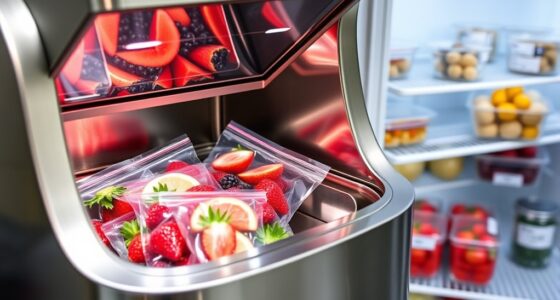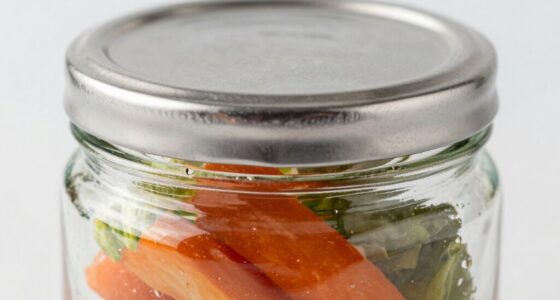
To minimize oxygen exposure, fill your containers as much as possible, leaving only a small headspace—usually about 1/4 inch for liquids and a bit more for solids. Excess air increases oxidation, which speeds up spoilage and degrades quality. Properly filling and sealing your containers helps preserve freshness and extend shelf life. Keep in mind that the right filling level depends on what you’re storing, and understanding these details can make a big difference—there’s more to learn if you continue with this topic.
Key Takeaways
- Minimizing headspace reduces oxygen exposure, slowing oxidation and spoilage of stored items.
- Filling containers close to capacity helps preserve freshness by limiting air gaps.
- Proper sealing techniques prevent oxygen ingress and extend shelf life.
- Using appropriately sized containers minimizes excess headspace and oxidation risk.
- Managing storage conditions alongside filling levels enhances overall product preservation.
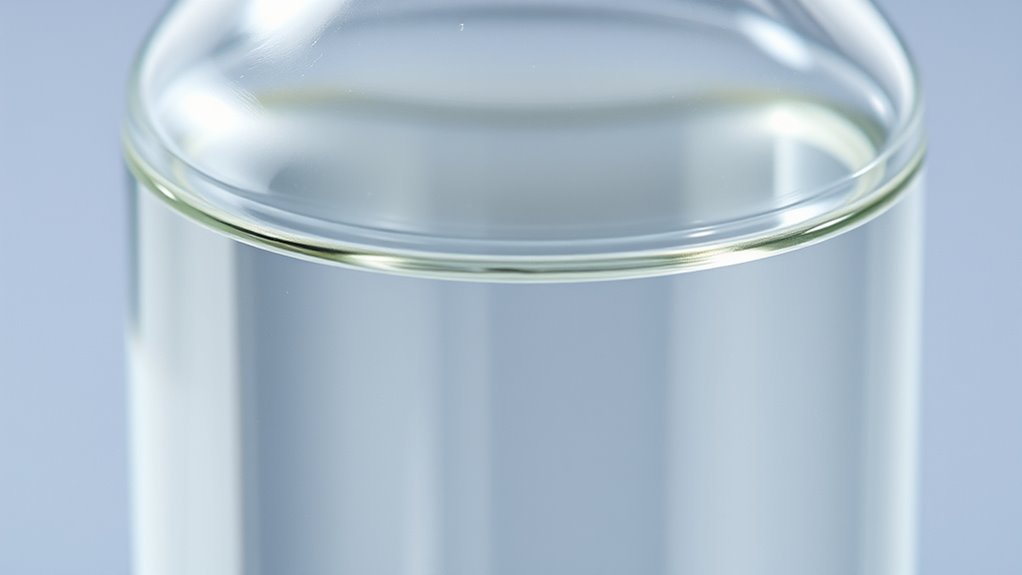
Understanding how headspace and oxygen exposure affect your stored items is essential for preserving their quality. When you store items, especially food or delicate products, the amount of air left in the container—known as headspace—can considerably influence their freshness and longevity. Too much headspace means there’s more air, particularly oxygen, which can accelerate spoilage, oxidation, and degradation. To keep your items at their best, you need to pay close attention to air quality within your containers and guarantee proper sealing. Effective container sealing minimizes oxygen exposure, reducing the risk of spoilage and maintaining the item’s intended texture, flavor, and nutritional value.
Proper sealing and minimal headspace preserve freshness by limiting oxygen exposure.
If your container has excessive headspace, oxygen can interact with the stored items more readily. This exposure triggers oxidation, which often leads to rancidity in fats, color changes, and loss of flavor. For example, if you’re storing dried herbs or nuts, high oxygen levels can quickly diminish their freshness, leaving them stale or rancid sooner than you’d like. To prevent this, you should aim to fill containers as much as possible without overstuffing, leaving only a minimal headspace necessary for safe sealing. This approach limits the amount of oxygen trapped inside, helping to preserve the quality over time.
Container sealing plays a key role here. When you properly seal your containers, you create a barrier that limits oxygen transfer and maintains a stable environment. Using airtight lids, vacuum seals, or specialized containers designed to remove air helps eliminate excess oxygen and preserves the air quality inside. This sealing process is essential because even a small breach can allow air and moisture to seep in, speeding up deterioration. As a result, selecting the right sealing method for your storage needs is fundamental. For perishables or items sensitive to oxidation, investing in vacuum-sealing equipment can considerably extend shelf life by removing most of the air from the container.
Moreover, understanding the impact of headspace and oxygen exposure guides you to choose the correct container size and sealing method. Avoid using oversized containers for small quantities, as they inherently create more headspace and oxygen exposure. Instead, opt for appropriately-sized containers that minimize air gaps. Also, consider storage conditions like temperature and humidity, which can influence air quality and the effectiveness of your seals. Properly managing headspace levels can significantly reduce oxidation rates and prolong freshness. By paying attention to these details, you guarantee your stored items remain fresh, flavorful, and preserved for as long as possible. In the end, controlling headspace and optimizing container sealing are simple yet powerful steps to protect your investments and enjoy quality over time.
airtight food storage containers
As an affiliate, we earn on qualifying purchases.
As an affiliate, we earn on qualifying purchases.
Frequently Asked Questions
How Does Headspace Affect Beverage Carbonation Retention?
You influence beverage carbonation retention through headspace control by minimizing the air space in bottles. Less headspace reduces oxygen exposure, which helps maintain carbonation stability over time. When you fill bottles properly, you prevent carbonation from escaping and limit oxygen contact, ensuring your beverage stays fizzy longer. Proper headspace management is essential for preserving carbonation and achieving a consistent, high-quality product every time you bottle.
What Gases Are Most Harmful in Headspace?
The most harmful gases in headspace are oxygen and carbon dioxide, which can ruin your beverage’s flavor and freshness. Oxygen, in particular, is an enemy, causing rapid spoilage if unchecked. Using oxygen scavengers and high-quality packaging barriers is essential to block out these gases. They act like a fortress around your drink, preventing oxygen from sneaking in and destroying the perfect carbonation and taste you worked so hard to achieve.
Can Oxygen Exposure Impact Product Shelf Life?
Yes, oxygen exposure can shorten your product’s shelf life. When oxygen gets into packaging, it promotes spoilage and oxidation. Using oxygen scavengers can help absorb residual oxygen, extending freshness. Additionally, vacuum packaging removes air, including oxygen, creating a low-oxygen environment that slows deterioration. Combining these methods effectively preserves your product, ensuring it stays fresh longer and maintains quality throughout its shelf life.
How Do Packaging Materials Influence Oxygen Permeability?
Packaging materials profoundly influence oxygen permeability, impacting product preservation. Material barriers act as shields, markedly slowing permeability rates and preventing oxygen ingress. Thicker, high-quality barrier films with low permeability rates minimize oxygen exposure, extending shelf life. Conversely, porous or less dense materials allow more oxygen to pass through, risking spoilage. By selecting packaging with ideal material barriers, you guarantee your products stay fresh longer, safeguarding quality and consumer satisfaction.
What Are the Best Practices to Minimize Oxygen Ingress?
To minimize oxygen ingress, you should use oxygen scavengers and vacuum packaging. Implement oxygen scavengers inside your packaging to absorb residual oxygen, preventing spoilage and maintaining freshness. Use vacuum packaging to remove air, creating a low-oxygen environment that slows oxidation. Guarantee your packaging materials are high barrier and properly sealed. Regularly check for leaks and replace oxygen scavengers as needed to maintain ideal protection against oxygen exposure.
vacuum sealers for food preservation
As an affiliate, we earn on qualifying purchases.
As an affiliate, we earn on qualifying purchases.
Conclusion
By paying close attention to headspace and oxygen exposure, you can prevent potential pitfalls and preserve product potency. Properly managing the space and safeguarding against oxygen intrusion ensures freshness and functionality. Remember, the small specifics considerably shape storage success, so stay vigilant and vigilant. With careful control, you can confidently conquer contamination, maintain quality, and maximize longevity—making your method meticulous, manageable, and mighty.
small container with minimal headspace
As an affiliate, we earn on qualifying purchases.
As an affiliate, we earn on qualifying purchases.
food storage containers with sealing lids
As an affiliate, we earn on qualifying purchases.
As an affiliate, we earn on qualifying purchases.