TL;DR

Get kitchen staples and gadgets delivered free — and shop member deals
- Fast, free delivery on millions of items
- Access to Prime Big Deal Days deals on October 6–7
- Prime Video, Amazon Music and more included
The best healthy lunch box containers are BPA-free, durable, leak-proof, and eco-friendly. They keep food fresh, support health, and reduce waste. Recent innovations include smart features and insulation for busy, health-conscious lives.
Ever packed a lunch and wondered if your container is really safe? You’re not alone. The wrong choice can expose you to harmful chemicals, or worse, cause leaks and messes. But choosing the right healthy lunch box containers isn’t just about safety—it’s about making your life easier, supporting your health, and helping the environment.
In this guide, you’ll learn what to look for, what’s new in the market, and how to pick the best options for your busy life. Whether you’re packing for kids, work, or outdoor adventures, the right container can transform your meal routine.
Prioritize BPA-free, stainless steel, or glass containers for safety and health.
Look for leak-proof, airtight seals—especially if you pack liquids or soups.
Eco-friendly materials like bamboo or biodegradable plastics help cut waste and support sustainability.
Smart features like temperature sensors and modular compartments boost convenience.
Regular cleaning and proper maintenance extend your container’s lifespan and keep food fresh.
Why Material Safety Matters in Lunch Boxes
Material safety is the foundation of a healthy lunch container. BPA, a chemical once common in plastics, has been linked to hormone disruption and other health issues. Today, the safest containers are made from BPA-free plastics, stainless steel, or glass. These materials do not leach harmful substances, even when heated or stored for days.
Imagine pouring hot soup into a plastic container. If it’s not BPA-free, tiny chemicals might seep into your food. Stainless steel and glass, on the other hand, stand firm against heat and won’t transfer any unwanted flavors or chemicals.
For example, a parent might choose a stainless steel container for their child’s lunch because it’s durable and completely non-toxic. It’s a simple switch that makes a big difference in health over time.
Choosing the right material isn’t just about immediate safety; it impacts long-term health and environmental sustainability. Plastic leaching, for instance, can introduce endocrine-disrupting chemicals into your diet, which over years may contribute to hormonal imbalances or developmental issues. Conversely, opting for stainless steel or glass minimizes these risks, supporting overall wellness. However, tradeoffs exist: stainless steel is lightweight and durable but can be more expensive and less versatile in design, while glass offers transparency and safety but is more fragile. Understanding these implications helps you make informed decisions aligned with your lifestyle and health priorities.
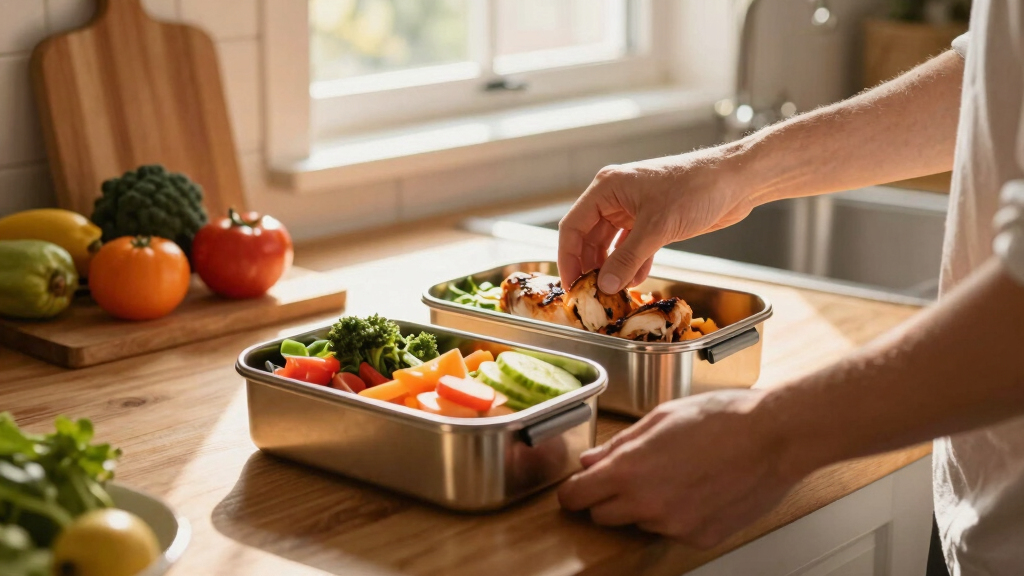
BPA-free stainless steel lunch box containers
As an affiliate, we earn on qualifying purchases.
As an affiliate, we earn on qualifying purchases.
How to Pick a Durable, Leak-Proof Lunch Box in 3 Easy Steps
- Check the materials—aim for stainless steel, glass, or BPA-free plastics. Look for labels that confirm safety and durability. Recognizing the material helps you understand its suitability for your needs; for instance, stainless steel is ideal for durability and safety but may be heavier, whereas plastic might be lighter but less durable over time.
- Test the seal—try opening and closing the lid. It should click securely and prevent leaks, especially if you’re packing liquids like smoothies or soups. A good seal not only prevents messes but also preserves freshness and prevents bacteria entry, which is crucial for food safety.
- Consider insulation—if keeping food hot or cold matters, choose containers with good insulation technology. This keeps your healthy meals at the right temperature for hours, reducing the need for reheating or additional cooling, thus maintaining nutritional quality and safety.
Opting for well-designed, insulated containers can significantly improve your meal experience. For instance, a container with double-wall insulation can keep soup hot for hours, which is perfect for busy mornings. Conversely, choosing a lightweight, uninsulated container might be better for quick, casual meals. The key is to match the container’s features with your routine — knowing that insulation adds convenience but may also add weight or cost. This understanding helps you balance practicality with your health goals, ensuring your food stays fresh and safe until mealtime.
Compare Top Materials: Which Lunch Box Is Best for You?
| Material | Safety | Durability | Weight | Price |
|---|---|---|---|---|
| Stainless Steel | Excellent, non-toxic, doesn’t leach | Very durable, dent-resistant | Lightweight but sturdy | Moderate to high |
| Glass | Very safe, no chemicals leaching | Fragile, prone to breakage | Heavier than plastic or steel | Moderate |
| BPA-Free Plastic | Safe if certified | Moderate, scratches can affect safety | Lightweight and affordable | Low to moderate |
Think about your lifestyle: if you pack a lot of liquids or need durability, stainless steel might be the best. For light, everyday use, glass or BPA-free plastics work well and are budget-friendly.
Keep in mind that each material has tradeoffs. Stainless steel offers longevity but can be more costly and less flexible in design options. Glass provides transparency and chemical safety but may require careful handling to avoid breakage. BPA-free plastics are lightweight and affordable but might degrade over time or contain trace chemicals if not properly certified. Understanding these nuances helps you choose a container that balances safety, practicality, and cost based on your specific needs and habits.
Frequently Asked Questions
Are plastic lunch boxes safe for everyday use?
Yes, but only if they are labeled BPA-free and made from food-grade plastics. Check the certifications before purchasing to avoid harmful chemicals.What materials are best for healthy lunch containers?
Stainless steel and glass top the list for safety and durability. BPA-free plastics are also good choices when properly certified and used for lighter, everyday meals.How do I know if a container keeps food fresh?
Choose containers with airtight, leak-proof seals. For longer freshness, consider insulated options that maintain temperature for hours.Are eco-friendly lunch boxes worth the investment?
Absolutely. They reduce plastic waste, often last longer, and support a healthier planet—making them a smart, sustainable choice.Can I microwave all types of lunch box containers?
Not all. Check manufacturer instructions. Glass and certain plastics labeled microwave-safe are your best bets for reheating safely.Conclusion
Picking the right healthy lunch box containers isn’t about sacrificing convenience for safety. It’s about choosing materials and designs that support your health, save the planet, and make your daily routine easier. A well-chosen container transforms your meal into a moment of nourishment and care—every single day.
Next time you’re shopping, think about durability, safety, and sustainability. Your lunch—and the planet—will thank you.
NFL season / tailgating Picks
team gear
As an affiliate, we earn on qualifying purchases.