
Induction sealing your juice bottles creates a secure and tamper-evident barrier that builds consumer trust. It keeps the product fresh by preventing air, bacteria, and contamination from entering, which extends its shelf life. The process uses advanced technology to guarantee a tight, reliable seal that’s difficult to tamper with. If you want to understand how this technology boosts confidence and preserves quality, there’s more to discover below.

Get kitchen staples and gadgets delivered free — and shop member deals
- Fast, free delivery on millions of items
- Access to Prime Big Deal Days deals on October 6–7
- Prime Video, Amazon Music and more included
Key Takeaways
- Induction sealing creates a tamper-evident, airtight barrier, ensuring product integrity and consumer trust.
- It prevents contamination and spoilage, extending the juice’s shelf life.
- The secure seal maintains freshness by blocking air and bacteria from entering the bottle.
- Advanced technology ensures consistent, reliable sealing for large-scale production.
- Tamper-evident features reassure consumers about product safety and authenticity.
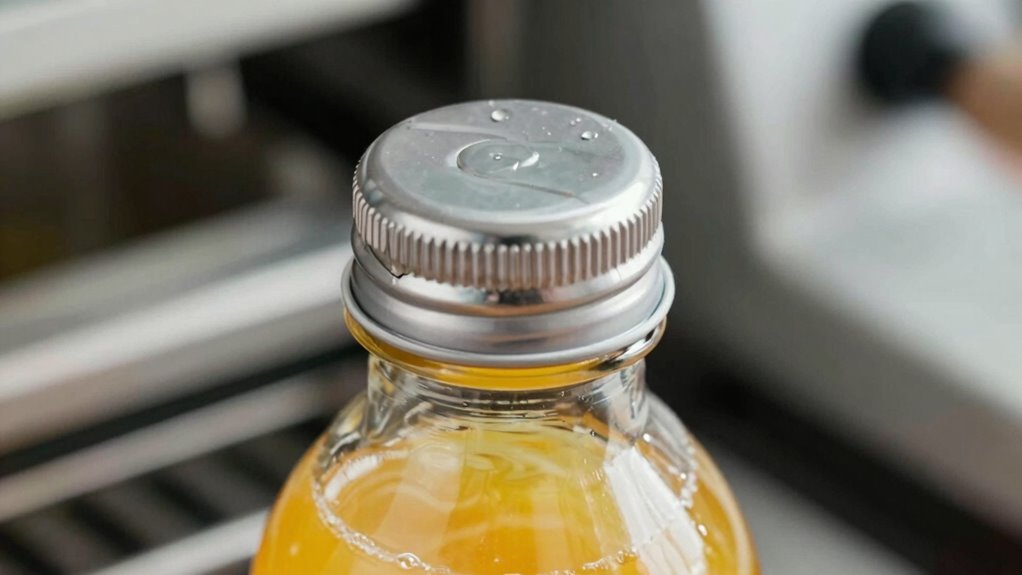
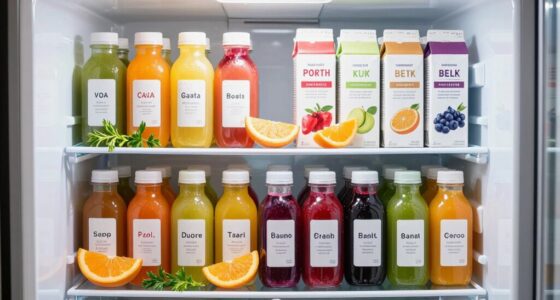
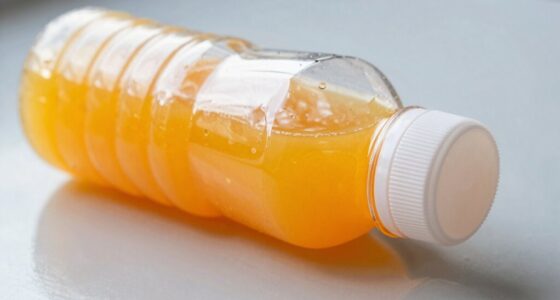
Have you ever wondered how juice bottles stay sealed securely on store shelves? It’s a question many people overlook, but the answer lies in the process called induction sealing. This technique uses specialized sealing equipment to apply an airtight, tamper-evident seal, guaranteeing the contents stay fresh and uncontaminated. When you look at a sealed juice bottle, what you may not realize is that the integrity of that seal depends heavily on the sealing material and the equipment used during packaging. The sealing material, typically a foil liner, is designed to be compatible with the liquid inside and resistant to contamination. This foil acts as a barrier, preventing air, bacteria, or other external factors from entering the bottle once the process is complete. The sealing material is carefully selected to ensure optimal adhesion and barrier properties, which are crucial for maintaining product quality. Additionally, the durability of the seal is essential for withstanding various handling conditions during distribution. Properly sealing bottles also helps in preventing product spoilage**, which is vital for perishable items like juice. An effective seal also contributes to reducing waste** and ensuring that the product remains safe for consumption over a longer period.
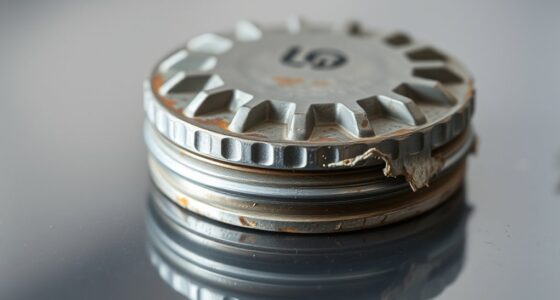
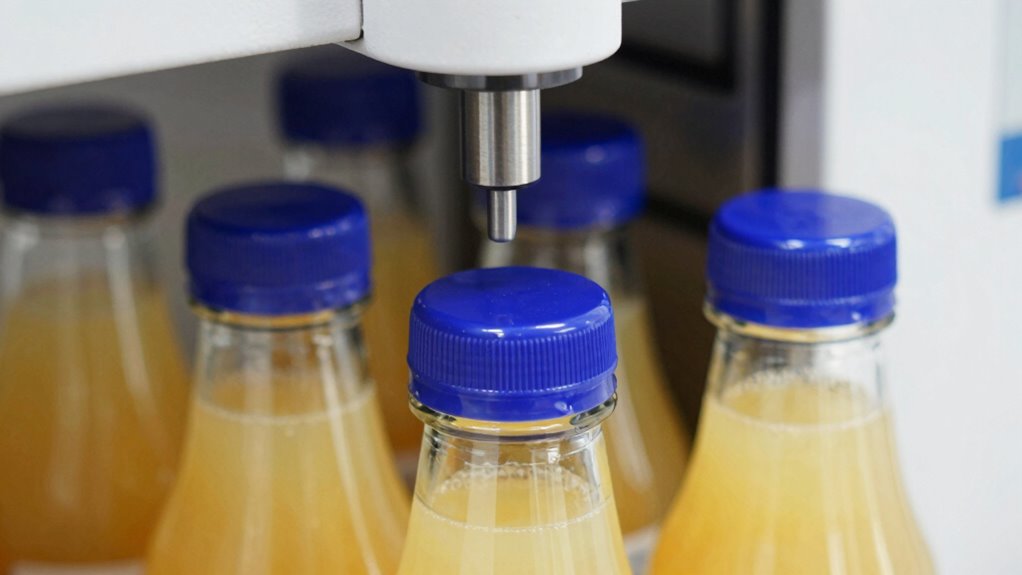
The sealing equipment plays a vital role in this process. It employs electromagnetic induction to generate heat directly in the foil liner, causing it to melt and fuse with the container’s opening. This method is fast, efficient, and highly reliable, making it ideal for large-scale juice production. When you press the cap onto the bottle and run it through the induction sealer, the equipment makes certain the sealing material adheres perfectly to the bottle rim. The result is a tight, secure seal that’s difficult to tamper with or accidentally open, which builds consumer trust. The process also provides an extra layer of security, as the foil liner often features tamper-evident features that show if the seal has been broken. This technology not only enhances safety but also boosts consumer confidence in the product’s integrity. The advancements in sealing technology continue to improve the efficiency and reliability of the sealing process, further safeguarding product quality.
induction sealing machine for juice bottles
As an affiliate, we earn on qualifying purchases.
As an affiliate, we earn on qualifying purchases.
Frequently Asked Questions
How Does Induction Sealing Prevent Contamination?
Induction sealing prevents contamination by creating a strong seal that maintains the integrity of your juice bottles. You guarantee that the seal remains intact, which blocks bacteria, dust, and other contaminants from entering. This contamination prevention keeps your product safe and fresh, builds trust with your customers, and extends shelf life. By maintaining seal integrity, you effectively safeguard your juice against environmental hazards and ensure consistent quality.
Can Induction Sealing Be Reused or Recycled?
Induction seals are generally not reusable because their seal durability diminishes after each use, making them less effective and potentially compromising product safety. However, many induction seals are recyclable, offering eco-friendly recycling options. You can separate the plastic liner from the bottle and recycle the materials according to local guidelines. Always check the specific manufacturer’s instructions to guarantee proper disposal and maximize recycling efforts.
What Types of Liquids Are Suitable for Induction Sealing?
You can use induction sealing for a variety of liquids, including juices, oils, pharmaceuticals, and chemicals. The seal material, often foil or plastic, must be compatible with the liquid to guarantee a secure seal. During the sealing process, induction generates heat that melts or bonds the seal material to the bottle’s opening, creating an airtight, tamper-evident barrier. This guarantees product safety, freshness, and consumer trust.
How Long Does an Induction Seal Typically Last?
An induction seal typically lasts for the product’s shelf life, often several months to a year, depending on storage conditions. You should regularly check sealing durability and conduct seal maintenance to guarantee the seal remains intact. Proper handling, avoiding punctures or damage, helps maintain the seal’s effectiveness. If the seal shows signs of wear or damage, resealing may be necessary to preserve product freshness and consumer trust.
Is Induction Sealing Compatible With All Bottle Materials?
Like a lock and key, induction sealing isn’t compatible with all bottle materials. You need to take into account bottle compatibility and material limitations carefully. Typically, plastic and glass bottles work well, but some plastics or specialty materials may not. Check your bottle’s composition before sealing to ensure a proper fit. Ignoring this can lead to leaks or compromised seals, risking your product’s safety and your brand’s trust.
Conclusion
So, as you carefully choose induction sealing for your juice bottles, it’s more than just a safeguard—it’s a quiet promise to your customers. That small act of sealing not only extends shelf life but also builds trust, making each bottle feel like a gift of freshness. Sometimes, it’s the little details—like that perfect seal—that create a beautiful coincidence: happy customers, loyal sales, and a brand you can truly believe in.
NFL season / tailgating Picks
team gear
As an affiliate, we earn on qualifying purchases.