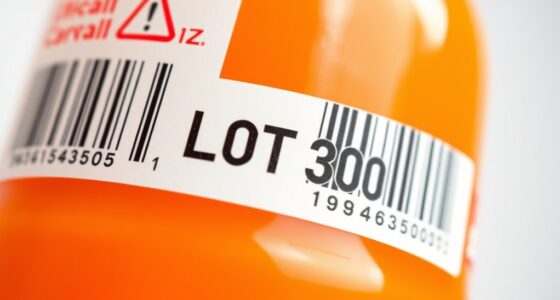
Traceability: Lot Codes and Recalls in Juice

Increased traceability through lot codes ensures swift recalls and safety, but understanding how this system works can protect your brand and consumers.

Environmental Considerations: Water Use and Waste

Considering water use and waste management is crucial for protecting our environment and ensuring a sustainable future—discover how small changes can make a big difference.

Natural Colors and Flavors: Adding Back Aroma

Obsessed with natural colors and flavors? Discover how adding aroma can transform your creations—here’s what you need to know.

Glass, PET, or Carton: Line Changeovers

Changing your production line between glass, PET, or carton involves complex adjustments that can significantly impact efficiency—discover how to master this process.

Cleaning in Place (CIP) for Juice Lines

Understanding Cleaning in Place (CIP) for juice lines is essential for maintaining hygiene and ensuring product safety—keep reading to learn how to optimize your process.

HACCP for Juice Facilities: Critical Control Points

Following HACCP principles for juice facilities ensures safety by identifying critical control points; discover how to effectively manage them here.

Quality Control: Brix, Acidity, and Sensory Panels

Fermentation quality hinges on monitoring Brix, acidity, and sensory panels to ensure consistency—discover how these methods can elevate your product.

Carbonation in Juice Drinks: Process Considerations

Focusing on temperature, pressure, and packaging is crucial for perfect juice carbonation—discover how to optimize your process for optimal flavor and fizz.

Aseptic Filling and Packaging Lines

Fascinating aseptic filling and packaging lines ensure product safety and longevity through advanced sterilization and quality control—discover how they achieve this.