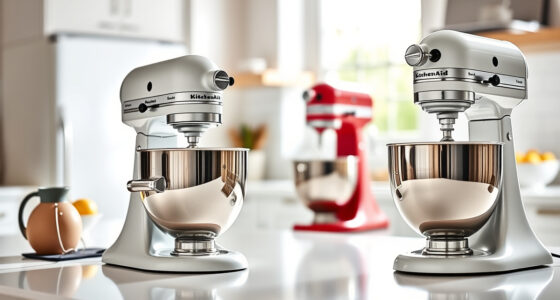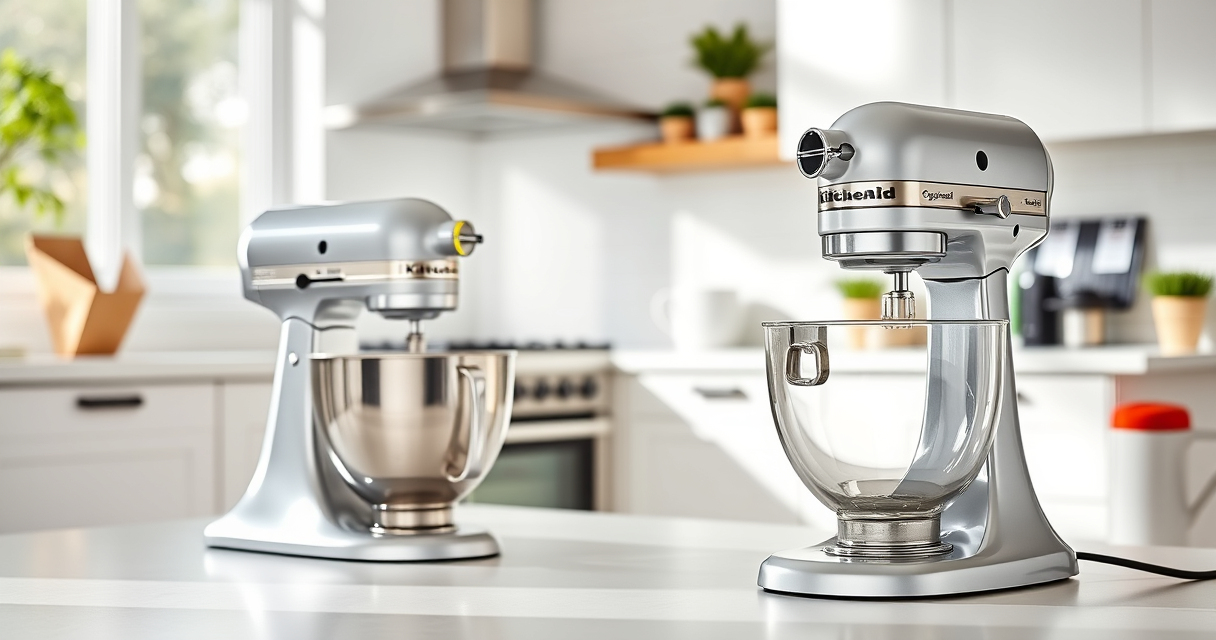
KitchenAid stand mixers are reliable kitchen workhorses, but like any appliance, they require proper care and occasional troubleshooting to ensure optimal performance. Whether you’re experiencing unusual noises, mixing issues, or attachment concerns, this guide provides clear, safe, and effective steps to keep your KitchenAid in top shape. Additionally, proper maintenance routines will extend the lifespan of your mixer and attachments, saving you money and frustration in the long run.

Get kitchen staples and gadgets delivered free — and shop member deals
- Fast, free delivery on millions of items
- Access to Prime Big Deal Days deals on October 6–7
- Prime Video, Amazon Music and more included
In this comprehensive 2026 maintenance guide, you’ll find practical, step-by-step instructions to diagnose common problems and perform essential upkeep. From cleaning and inspecting parts to addressing specific attachment issues, we’ve got you covered to help you get back to baking and cooking with confidence.
Key Takeaways
| Regular Cleaning is Key | Keep your mixer and attachments clean to prevent buildup and mechanical issues. |
| Inspect Attachments Frequently | Check for wear, damage, or misalignment to ensure proper fit and function. |
| Perform Routine Maintenance | Lubricate moving parts and tighten loose screws periodically. |
| Troubleshoot Common Problems | Identify noise, motor, or attachment issues with step-by-step solutions. |
| Use Recommended Attachments | Enhance performance and longevity by choosing compatible, quality attachments. |
Preparing Your KitchenAid for Troubleshooting
- Unplug the mixer from the power outlet before performing any inspection or maintenance to ensure safety.
- Remove all attachments, including the Stainless Steel Flat Beater, and detach accessories to access internal components.
- Use a soft, damp cloth to wipe down the exterior and remove dust or flour residues that may have accumulated during use.
- Inspect the power cord for any signs of damage or fraying. Do not use the mixer if the cord is compromised.
- Check the tilt-head latch and ensure it moves smoothly without obstruction.
Cleaning and Maintaining Attachments
- Wash attachments like the Stainless Steel Flat Beater in warm, soapy water after each use. Since it is dishwasher safe, place it on the top rack for easy cleaning.
- Dry thoroughly to prevent water spots or rust, especially on metal parts.
- Inspect for signs of bending, chipping, or corrosion. Replace if any damage is visible to avoid contamination or further damage.
- Store attachments in a dry, organized space to prevent accidental damage or misplacement.
Regular cleaning prevents buildup of ingredients that can cause the mixer to work harder or malfunction.
Troubleshooting Common Mixer Problems
- Mixer Not Turning On: Check the power cord and outlet. Reset the circuit breaker if necessary. Ensure the tilt-head is properly latched.
- Unusual Noises: Inspect for debris or leftover ingredients in the attachment or gear area. Tighten any loose screws or bolts.
- Attachments Not Fitting Properly: Confirm the attachment’s compatibility (see model specs). Clean the attachment hub and check for obstructions.
- Motor Overheating or Struggling: Allow the mixer to rest for 15-20 minutes. Ensure you’re not overloading the bowl or attachment with heavy ingredients.
Maintaining Your Mixer for Longevity
Perform periodic lubrication of moving parts according to the manufacturer’s recommendations—usually a small amount of food-grade lubricant applied to gear areas. Tighten any loose screws on the attachment hub or mixer body to prevent vibrations or misalignments. Keep the mixer in a dry, cool place to avoid corrosion and damage from humidity. Regularly check the drive belt and gear assembly if accessible, and replace parts when needed. Following these simple steps will extend the life of your KitchenAid mixer and attachments, ensuring many years of reliable service.
When to Replace Attachments or Seek Professional Help
If your Stainless Steel Flat Beater shows persistent signs of damage, such as bent or chipped edges, or if it no longer fits securely, replacing it is advisable. For persistent electrical or motor issues, contact authorized service centers or KitchenAid support. Always use genuine attachments to guarantee compatibility and safety. Regularly replacing worn parts prevents further damage to your mixer and maintains optimal performance.
The Products in This Guide

Stainless Steel Flat Beater
- ✔ Material: Stainless Steel
- ✔ Compatible Models: K45SS, KSM75
- ✔ Dishwasher Safe: Yes

KitchenAid Stand Mixer Attachment
- ✔ Material: Metal
- ✔ Includes: Multiple plates
- ✔ Pre-chill: Recommended
Stainless Steel Flat Beater
The Stainless Steel Flat Beater is engineered for durability and seamless fit with KitchenAid 4.5-5 Qt tilt-head mixers. Its solid construction resists bending and chipping, making it a reliable choice for thick batters and doughs.
Pros:
- Heavy-duty durability
- Dishwasher safe
- Perfect fit for multiple models
- No coating to chip or flake
Cons:
- May be heavier than plastic paddles
- Requires proper cleaning to prevent rust
- Not suitable for non-metal attachments
Best for: Heavy-duty mixing, doughs, batters, mashing potatoes
Not ideal for: Light mixing tasks or for users preferring coated paddles
Bottom line: A durable, reliable beater perfect for heavy-duty kitchen tasks.
KitchenAid Stand Mixer Attachment
The KitchenAid Metal Food Grinder attachment connects easily to your stand mixer, transforming it into a powerful food processor for meats, vegetables, and more. Its durable construction and included grinding plates make it a practical upgrade for home cooks.
Pros:
- Sturdy metal build
- Multiple grinding plates
- Easy to attach and use
- Includes sausage stuffer tubes
Cons:
- Requires pre-chilling for best results
- Cleaning can be a bit time-consuming
- Attachment sold separately
Best for: Grinding meats, vegetables, and creating fresh foods
Not ideal for: For light or occasional grinding needs
Bottom line: A solid addition for fresh, homemade ground foods.
Frequently Asked Questions
How do I clean my Stainless Steel Flat Beater?
Wash it with warm, soapy water immediately after use. It is dishwasher safe, so you can place it on the top rack. Dry thoroughly to prevent water spots or rust.
Why is my mixer making strange noises?
Unusual noises can be caused by debris caught in the attachment hub or gear area. Turn off and unplug the mixer, then inspect and clean the attachment area. Tighten any loose screws.
My attachment isn’t fitting properly.
Ensure that you are using the correct attachment for your model. Clean the attachment hub and check for any obstructions. Make sure the attachment is securely attached before use.
How often should I lubricate my mixer?
Refer to your model’s user manual for specific guidance. Generally, lubricate moving parts like the gear assembly every 6-12 months, or if you notice squeaking or stiff movement.
When should I replace my attachment?
Replace attachments if they are bent, chipped, or show signs of corrosion. Damaged attachments can compromise performance and safety, so always opt for genuine replacements.
Keep Your KitchenAid Running Smoothly with Proper Care
Maintaining your KitchenAid stand mixer and attachments doesn’t have to be complicated. Regular cleaning, inspection, and routine maintenance will ensure your appliance remains reliable and efficient for years to come. Troubleshooting common issues promptly can prevent costly repairs and prolong the life of your device. With these practical tips, you’ll enjoy seamless baking and cooking adventures, knowing your KitchenAid is in top condition.
Affiliate disclosure: As an Amazon Associate we earn from qualifying purchases. Prices and availability are accurate as of the time of publishing.
Halloween Picks
halloween
As an affiliate, we earn on qualifying purchases.