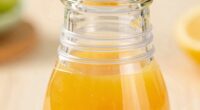
To layer tropical flavors without making your juice muddy, start by selecting fruits with complementary notes and varying intensities. Introduce subtle ingredients like coconut or banana first, then add assertive fruits like pineapple or guava in small amounts to prevent overpowering. Balance acidity with sweetness, using bright fruits like lime or passion fruit to keep the blend lively. Focus on gradual additions and taste continuously—if you’re curious about mastering the art, there’s more to discover below.

Get kitchen staples and gadgets delivered free with Prime
- Fast, free delivery on millions of items
- Prime Video, Amazon Music and more included
- Member-only deals all year
Key Takeaways
- Introduce fruits gradually, starting with subtle flavors like coconut or banana before adding bolder fruits.
- Balance acidity and sweetness to prevent overpowering the mix and maintain clarity of each flavor.
- Use small amounts of assertive fruits, layering them carefully to avoid muddying the overall profile.
- Opt for fresh purees or juices and taste frequently to control flavor intensity precisely.
- Maintain ingredient freshness and focus on harmony to preserve vibrant, distinct tropical layers.

Have you ever wondered how to create a vibrant, multi-dimensional tropical flavor profile in your recipes or cocktails? The key lies in mastering the art of layering flavors without turning your drink into a muddled mess. To do that, you need to focus on clever fruit pairing and maintaining a proper flavor balance. When you select fruits that naturally complement each other, you enhance the overall experience instead of overwhelming the palate. Think about pairing sweet pineapple with tangy passion fruit, or creamy coconut with ripe mango. These combinations work because they share similar flavor notes or textures that, when balanced correctly, create a harmonious taste.
The trick to layering tropical flavors without muddiness is to understand how each fruit’s intensity affects the mix. You want to introduce flavors gradually, not all at once, so each element can shine. For example, start with a subtle base like coconut or banana. Then, add a more assertive fruit like pineapple or guava, but in smaller quantities. This approach ensures that no single flavor dominates and that each layer adds complexity rather than confusion. Think of it like building a flavor pyramid—each new ingredient should support and elevate the existing layers. Paying attention to layering techniques can help you refine this process and create more nuanced flavor profiles.
Another important aspect is paying attention to the acidity and sweetness levels. Fruits like lime or passion fruit bring brightness and tang, which can cut through richer flavors, keeping the drink lively. Balancing these with sweeter fruits like mango or lychee prevents the cocktail from feeling flat or overly sweet. When you achieve this balance, the flavors won’t clash or create a muddled texture. Instead, they’ll work together to produce a clean, vibrant profile. Additionally, understanding flavor interactions can help you predict how different fruits will combine, leading to more successful layering. Recognizing how fruit acidity influences overall flavor harmony is also crucial, as it can dramatically alter the perception of sweetness and balance.
Using fresh fruit purees or juices can help you control the intensity of each flavor. Add them in small increments, tasting as you go, to find the perfect balance. If one flavor seems too overpowering, dilute it with a splash of coconut water or a neutral spirit to soften it. Remember, layering isn’t about piling in as many fruits as possible; it’s about precision and understanding how each fruit interacts with the others. Developing a good sense of flavor balance is essential for creating harmonious tropical recipes. Moreover, paying attention to ingredient freshness ensures that each layer maintains its vibrant character and enhances the overall flavor profile.
Products Worth Considering
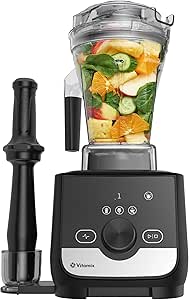
Vitamix Ascent X3 Professional-Grade Blender, 3 Programs, Shadow Black

Vitamix 5200 Professional-Grade Blender, 64 oz. Container, Black

Vitamix Propel Series 750 Professional-Grade Blender, 4 Programs, Black
As an affiliate, we earn on qualifying purchases.
Frequently Asked Questions
Can Layering Tropical Flavors Affect the Drink’s Overall Sweetness?
Layering tropical flavors can definitely affect the drink’s overall sweetness. You’ll want to focus on flavor balance and sweetness control to keep everything harmonious. If you add sweeter ingredients first, it might make the drink overly sweet, so consider balancing with tart or neutral flavors. Carefully adjusting the amount of each layer guarantees your tropical drink remains flavorful without becoming too sweet or muddy, creating a delightful, well-rounded sip.
What Tools Are Best for Precise Flavor Layering?
You should use a pipette or dropper for precise flavor layering, allowing you to control the amount of each ingredient carefully. A small spoon or syringe can also help achieve better flavor balance, ensuring ingredients are added smoothly without disturbing the layers. Always consider ingredient compatibility; select flavors that complement each other to prevent muddiness. These tools help you layer tropical flavors accurately, maintaining clarity and a harmonious taste profile.
How Long Should Each Layer Set Before Adding the Next?
You should let each layer set for about 10-15 minutes before adding the next, guaranteeing proper flavor pairing and separation. This wait time helps prevent muddiness and maintains clarity. Use garnish techniques to enhance visual appeal and showcase each flavor distinctly. Patience is key; giving layers time to settle ensures your tropical juice remains vibrant and well-defined without blending into a muddy mess.
Do Certain Tropical Fruits Work Better for Layering?
Certain tropical fruits, like mango and pineapple, work better for layering because their flavor intensity is balanced and vibrant, like a symphony in harmony. Fruit pairings matter; choose fruits with similar textures and boldness to prevent muddiness. For example, papaya’s subtlety pairs well with the stronger pineapple, creating distinct layers. Avoid overly watery fruits like melon, which can dilute the overall flavor and make layers less defined.
How Do I Prevent Colors From Mixing Between Layers?
To prevent colors from mixing between layers and enhance visual appeal, pour each layer slowly and carefully, ideally over the back of a spoon, to promote color separation. Keep the juice layers chilled so they stay denser and don’t blend easily. Use fruits with distinct colors, and avoid overloading each layer. This technique helps maintain vibrant, separated layers, making your tropical drink visually stunning and inviting.
Conclusion
Layering tropical flavors lets you enjoy vibrant, eye-catching drinks without ending up with a muddy mess. Just remember, about 60% of bartenders say that visual presentation considerably enhances a cocktail’s appeal, making your creations more inviting. By carefully stacking your ingredients and paying attention to density, you can impress friends with colorful, layered drinks that taste as good as they look. So go ahead—experiment and bring those tropical visions to life confidently!