
Using macro lenses for juice photography goes beyond pretty close-ups by revealing vibrant colors, intricate textures, and tiny details like bubbles and pulp fibers. They help control focus and depth of field to emphasize specific parts, making your images more engaging and storytelling. Proper lighting highlights the natural beauty and dimensions of the juice, adding depth and realism. Keep exploring to discover how you can elevate your shots even further with these techniques.

Get kitchen staples and gadgets delivered free with Prime
- Fast, free delivery on millions of items
- Prime Video, Amazon Music and more included
- Member-only deals all year
Key Takeaways
- Macro lenses enhance color vibrancy and detail, making juice images more lively and true to life.
- They allow precise control over depth of field, highlighting specific textures like pulp and bubbles.
- Proper lighting techniques with macro lenses add dimension, reflections, and emphasize translucency.
- Macro photography transforms simple shots into artistic storytelling that evokes sensory appeal.
- Using macro lenses encourages sustainable and responsible photography by emphasizing natural beauty and environmental awareness.
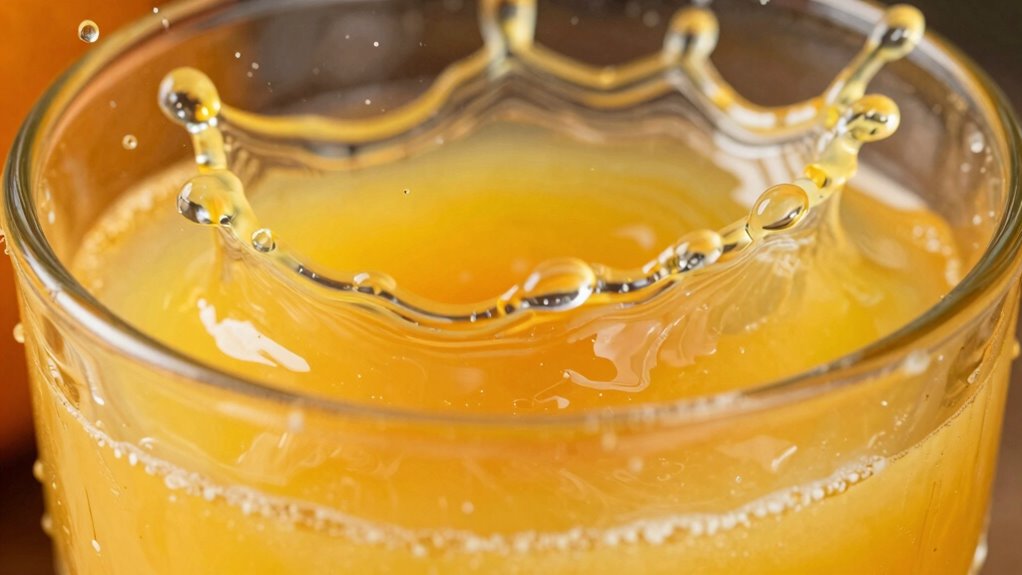
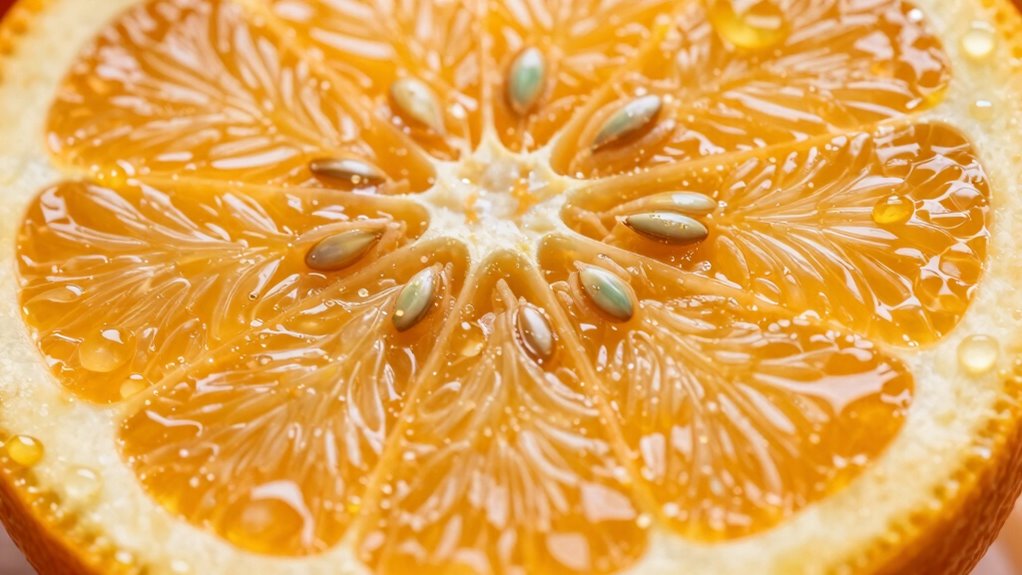
If you want to capture the intricate details of fresh juice, choosing the right macro lens is essential. These lenses do more than just provide a close-up view—they unlock a world of visual possibilities that elevate your photography. One of the key advantages is their ability to highlight color enhancement. With a macro lens, you can emphasize the vibrant hues of juice—whether it’s the fiery orange of carrot, the deep purple of blackberry, or the bright green of kiwi. The lens’s precision allows you to focus on tiny color variations that might go unnoticed with standard equipment, bringing out the richness and depth of each hue. This makes your images more eye-catching and true to life, drawing viewers into the freshness of your subject.
Lighting techniques are another significant benefit when using macro lenses. Because these lenses allow for extreme detail, controlling your lighting becomes critical. Macro photography often requires a combination of natural and artificial light sources to create the perfect balance. You might use diffused light to soften shadows and prevent glare, or add reflectors to bounce light into the juice’s surface, enhancing its translucency. Proper lighting not only illuminates the juice evenly but also accentuates the textures—like the tiny bubbles or pulp fibers—that make your images stand out. With a macro lens, you can experiment with different lighting angles to produce reflections and highlights that add dimension and sparkle. These subtle lighting adjustments can turn a simple shot into a compelling visual story, emphasizing the juice’s freshness and appeal. Additionally, mastering lighting techniques can help you achieve more professional and captivating results.
Beyond the aesthetic appeal, macro lenses also give you the flexibility to play with depth of field. This control allows you to isolate specific parts of the juice, such as the ripples on its surface or the swirl of pulp, creating a sense of focus that guides viewers’ eyes exactly where you want them. When combined with skillful color enhancement and thoughtful lighting techniques, your macro shots can convey not just the look but the essence of freshness and vitality. Additionally, understanding biodiversity and sustainable practices in your photography can help promote awareness of environmental conservation, enriching your artistic message with a deeper purpose. Incorporating eco-friendly techniques can also enhance the authenticity and credibility of your visual storytelling.
In essence, a macro lens is a powerful tool that adds more than just pretty close-ups. It enables you to manipulate color and light creatively, resulting in images that are vibrant, detailed, and full of life. When you master these techniques, your juice photography transforms from simple documentation to artful storytelling—capturing not only the visual beauty but also the sensory experience of fresh, flavorful juice. Understanding environmental impact can further inform how you approach your macro photography, aligning your art with sustainable goals.
macro lens for juice photography
As an affiliate, we earn on qualifying purchases.
As an affiliate, we earn on qualifying purchases.
Frequently Asked Questions
Can Macro Lenses Be Used for Other Food Photography Styles?
Yes, you can use macro lenses for other food photography styles. They allow you to achieve creative framing and highlight intricate textures, making dishes look more appealing. With macro lenses, you can focus on details like the layers of a cake or the surface of fresh fruit, enhancing textures and creating mesmerizing images. They’re versatile tools that elevate your food photography beyond just pretty close-ups, adding depth and interest to your shots.
What Are the Best Macro Lens Brands for Beginners?
You should consider beginner-friendly macro lens brands like Canon, Nikon, or Tamron, offering good quality at budget macro options. These lenses are easy to maintain, ensuring longevity and sharp images. When choosing, prioritize lenses with good reviews and compatibility with your camera. Regular macro lens maintenance, like cleaning the glass and checking for dust, helps keep your shots crisp. Start simple and upgrade as you gain more experience.
How Do Macro Lenses Affect Overall Photo Composition?
Sure, macro lenses dramatically impact your photo composition—who would’ve thought? They narrow your depth of field, making your subject pop while blurring the background. The focal length influences how close you get and the perspective you create. This precision allows you to highlight details or create artistic distortions, guiding viewers’ eyes exactly where you want. So, instead of just pretty close-ups, you craft compelling, focused compositions that tell a story.
Are Macro Lenses Suitable for Outdoor Juice Photography?
Yes, macro lenses are suitable for outdoor juice photography, but you should consider their durability and how they handle outdoor lighting. Look for a lens that’s weather-sealed and sturdy enough to withstand elements like humidity or dust. Also, outdoor lighting can be tricky, so use a lens with good aperture control to manage varying light conditions. This way, you’ll capture crisp, vibrant shots even in challenging outdoor environments.
What Lighting Techniques Work Best With Macro Lenses?
Lighting with macro lenses is like painting with light—you control every detail. Backlighting techniques work wonders, highlighting the juice’s vibrant colors and transparency. Diffused lighting methods soften harsh shadows, creating a smooth, inviting look. Use a lightbox or diffuser to spread light evenly. By combining these techniques, you’ll reveal the juice’s luscious texture and rich hues, making your photos irresistibly fresh and appealing.
Conclusion
With a macro lens, you’re not just capturing a pretty close-up—you’re exposing a hidden world within every drop of juice. It’s like turning the everyday into a masterpiece, inviting viewers to see what’s often overlooked. So, when you pick up a macro lens, remember: you’re not just photographing fruit—you’re revealing its secret story, one tiny detail at a time. After all, life’s most beautiful moments often hide in the smallest of places.
NFL season / tailgating Picks
team gear
As an affiliate, we earn on qualifying purchases.