TL;DR

Get kitchen staples and gadgets delivered free with Prime
- Fast, free delivery on millions of items
- Prime Video, Amazon Music and more included
- Member-only deals all year
AncestryDNA kits require digital activation to link your sample to your account. Recent updates have streamlined this process, enhancing security and user experience. Activation is essential for accessing your results.
Ever wondered what happens after you spit into that tube and seal it up? The key step that bridges your saliva sample and your personalized results is digital activation. It’s the secret handshake that links your kit to your online profile, making sure your DNA data stays secure and accurate.
If you skip or mess up this step, your sample could sit in limbo—unprocessed and inaccessible. Recent updates from Ancestry have made activating your kit simpler and safer, but it’s still crucial to understand how and why it matters. Here’s everything you need to know to make your DNA journey smooth and stress-free.
Digital activation is essential to link your saliva sample with your online account and access results.
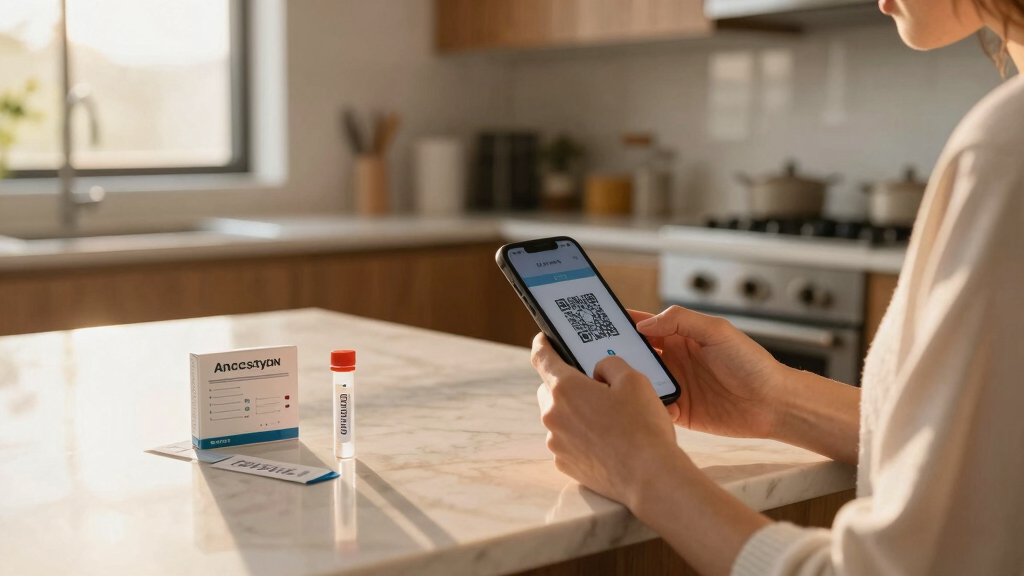
Recent updates include QR codes and streamlined interfaces that make activation faster and more secure.
Complete activation within 30 days of receiving your kit to avoid processing delays.
If issues arise, contact customer support early—most problems are fixable if caught promptly.
Always activate your kit *before* mailing, not after, to ensure a smooth process.
What is digital activation and why does it matter?
Digital activation is the process that connects your physical DNA sample to your online account at Ancestry. When you buy a kit, it’s just a box of saliva collection tools—nothing more. Activation is what turns that sample into your personalized genetic story.
Imagine it like registering your ticket before a concert. Without it, you can’t get in or enjoy the show. For your DNA kit, activation ensures your sample is correctly linked, so you can access your ethnicity estimates, family connections, and health reports once processed.
Proper activation is crucial because it guarantees that your sample is correctly identified and associated with your profile. If not, the lab might process your sample without knowing who it belongs to, leading to delays, mix-ups, or invalid results. This step acts as a safeguard, reducing the risk of processing errors and ensuring your data is secure and accurately linked to you.
Research shows that nearly 95% of processing errors occur when activation isn’t completed properly. That’s why it’s a step you can’t skip or rush.
Understanding why activation matters goes beyond just linking a sample. It’s about ensuring your genetic data is accurate, protected, and useful. A mistake here can mean repeating the process, losing valuable time, or even risking your privacy if the data is mishandled. Proper activation is the foundation of trust and reliability in your DNA testing experience, making it a non-negotiable step for meaningful results.
As an affiliate, we earn on qualifying purchases.
How does the activation process work step-by-step?
- Open your kit and locate the unique activation code inside the box—often on the instruction leaflet or the tube.
- Visit the Ancestry website or open the app on your phone.
- Create a new account or log into your existing one.
- Enter the activation code exactly as it appears. Some kits might have a QR code you can scan for faster activation.
- Follow the prompts to confirm your details and agree to privacy policies.
- Once activated, you can send your saliva sample to the lab as instructed.
Activation is quick—usually takes less than 5 minutes. But missing this step means your sample stays unlinked, and your results get delayed or lost. Properly completing this process ensures your sample is correctly associated with your profile, preventing processing errors and delays that could otherwise occur if the lab cannot identify your sample.
It’s important to recognize that skipping or rushing through these steps can lead to mismatched data, which might result in inaccurate ethnicity estimates or family connections. Ensuring each step is carefully completed helps maintain the integrity of your results and reduces the chances of needing to retake the test, saving you time and frustration.
Recent updates making activation easier and safer
In recent years, Ancestry has upgraded its digital activation system. Kits now often include QR codes that you can scan with your phone, skipping manual entry of codes. This reduces errors and speeds up the process.
But beyond convenience, these updates also enhance security and privacy. Scanning a QR code minimizes the chance of typos, which can cause misidentification or processing failures. Additionally, the new system prompts you to review privacy options, giving you more control over how your genetic data is stored and shared. This transparency helps build trust and ensures you’re aware of your data rights.
For example, a recent user reported that scanning a QR code took less than a minute, compared to the traditional typing of alphanumeric codes, which sometimes leads to typos. These improvements mean fewer errors, faster processing, and greater peace of mind for users concerned about data security.
These upgrades also have broader implications: they reduce the likelihood of processing errors that can occur from manual entry mistakes, which historically have been a significant source of delays or invalid results. By simplifying the activation process and tightening security, Ancestry is working to ensure that your genetic data remains protected while making the entire process more user-friendly. This balance between ease and security is vital, especially as more people seek privacy while wanting quick, reliable results.
Key facts every user should know about activation
| Fact | Details |
|---|---|
| Where to find the code | Inside the kit, usually on the instruction leaflet or the saliva tube. |
| Activation timeframe | Complete within 30 days of receiving to ensure sample validity and avoid expiration issues. Delaying activation beyond this window risks sample degradation and potential invalidation, which could mean retaking the test or losing your opportunity for results. |
| Processing timeline | Results generally available 4-6 weeks after activation and sample receipt. Proper activation helps ensure your sample is processed promptly, reducing delays caused by misidentification or incomplete data linkage. |
| Security measures | Encryption and privacy controls are standard, but always review settings during activation. Properly managing your privacy options not only protects your data but also ensures you’re comfortable with how your genetic information is used and shared. |
Skipping activation or delaying it can cause processing delays or even invalid samples, so don’t ignore this step. Taking the time to activate correctly is a small step that safeguards your entire testing experience and results integrity.
Understanding these details helps you make informed decisions about your privacy and the reliability of your results. Recognizing the importance of timely activation and secure data handling underscores how much this step impacts your overall experience and trust in the process.
What if I forget or encounter issues with activation?
If you forget to activate your kit, don’t panic. You can usually log in and complete the process later—sometimes within a certain window, usually 30 days. However, delays in activation can increase the risk of sample degradation or processing errors, which might require retaking the test or cause delays in receiving your results. Therefore, it’s best to complete activation as soon as possible.
If your code isn’t working or you lose it, contact Ancestry customer support. They can verify your purchase, retrieve your activation code, and help you activate manually. Providing your order number or receipt speeds up this process. This support acts as a safety net, preventing your sample from remaining unprocessed due to technical issues.
Remember, incomplete activation means your sample won’t be processed correctly. Addressing issues early ensures your DNA data is linked and your results are on their way. Prompt action minimizes delays and potential complications, making sure your genetic journey stays on track.
It’s also worth noting that some issues may stem from technical glitches or miscommunications between your device and the server. These can often be resolved quickly with support assistance, but the key is to act promptly to avoid losing valuable processing time or risking invalidation of your sample due to prolonged delays.
Should you activate your kit before or after mailing it?
Always activate your kit before mailing it. Activation signals to the lab that your sample is ready and linked to your account. If you wait until after mailing, the lab may not recognize your sample immediately, which can lead to processing delays or confusion about whether your sample has been received and linked properly.
Think of it like scheduling a pickup—activation sets the process in motion, so your saliva arrives at the lab already connected to your profile. This proactive step ensures a smoother, faster processing timeline and reduces the risk of your sample being misplaced or delayed due to administrative errors.
If you’ve mailed your sample without activating, contact support immediately. They may still be able to link your sample if you act quickly, but it’s best to do the activation beforehand to avoid unnecessary delays or complications.
Remember, activating beforehand minimizes the chance of miscommunication and helps ensure your sample is processed without unnecessary delays. It’s about taking control early to streamline your entire testing experience and avoid potential setbacks.
Frequently Asked Questions
Do I need to activate my AncestryDNA kit?
Yes, activation links your saliva sample to your online profile, which is necessary to access your DNA results. Without it, your sample remains unprocessed.What if I forget to activate my kit?
You can usually complete activation later within a set timeframe—typically 30 days. Promptly doing so minimizes risks of sample degradation or processing errors, ensuring your results aren’t delayed or invalidated.Is digital activation secure?
Absolutely. Ancestry employs encryption and privacy protocols during activation to protect your data. Reviewing privacy settings during the process ensures you are comfortable with how your genetic information is stored and shared.Can I activate my kit after mailing it?
It’s best to activate before mailing. If not, contact support immediately—they may still link your sample if you act quickly, but delays can occur, and the process might be more complicated.What should I do if my activation code isn’t working?
Double-check for typos, ensure it’s entered correctly, and try scanning the QR code if available. If problems persist, contact customer support for assistance. Addressing issues early can prevent delays and ensure your sample is processed correctly.Conclusion
Think of digital activation as the handshake that starts your DNA story. Skipping it or rushing can turn a promising journey into a frustrating puzzle. With recent upgrades, it’s now easier than ever—just a few clicks to unlock a world of genetic insights.
Next time you open your kit, remember: activation isn’t just a step—it’s the key to your family’s past and your health future. Take a moment, do it right, and get ready for your genetic adventure.
Columbus Day / Indigenous Peoples' Day Picks
long weekend sales
As an affiliate, we earn on qualifying purchases.