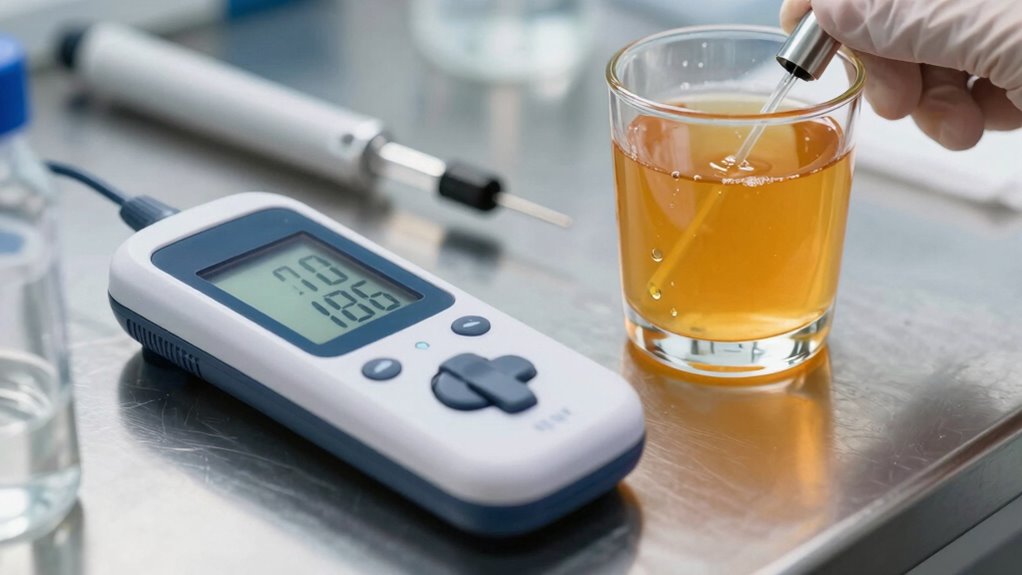

Calibration of pH meters for juice is an ongoing hassle, but it’s essential for consistent quality and safety. You need to calibrate before each use using fresh buffers and follow proper procedures to prevent drift and inaccurate readings. Proper storage and handling also extend your sensor’s lifespan. Skipping or rushing calibration can lead to product spoilage or regulatory issues. Keep going to discover how to make this routine more effective and less burdensome.

Get kitchen staples and gadgets delivered free with Prime
- Fast, free delivery on millions of items
- Prime Video, Amazon Music and more included
- Member-only deals all year
Key Takeaways
- Regular calibration before each use ensures accurate pH readings for consistent juice quality and safety.
- Using fresh, high-quality calibration buffers prevents measurement errors caused by buffer degradation.
- Proper storage and handling of pH sensors extend their lifespan and maintain calibration accuracy.
- Routine calibration helps detect sensor drift and degradation early, avoiding costly replacements and inconsistencies.
- Following manufacturer instructions during calibration enhances reliability and overall measurement precision.
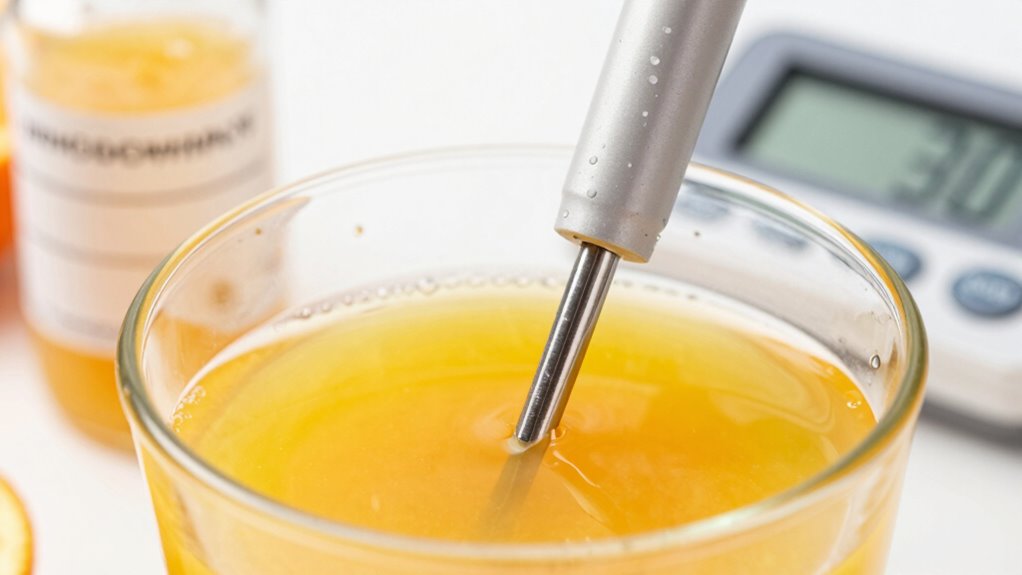
If you’re involved in juice production or quality control, using a reliable pH meter is essential for guaranteeing consistent flavor and safety. The accuracy of your measurements directly impacts the final product, making sensor precision a top priority. A pH meter with high sensor accuracy provides precise readings, which are indispensable for maintaining the desired acidity level and preventing spoilage or fermentation issues. However, even the best sensors can drift over time, which is why calibration frequency is critical. Regular calibration ensures your pH meter remains reliable, reducing the risk of inaccurate readings that could compromise the juice’s quality or safety.
The routine of calibrating your pH meter might seem tedious, but neglecting it can lead to significant issues. When you skip calibration or delay it too long, the sensor’s accuracy diminishes, and your measurements become unreliable. Inconsistent pH readings could cause you to adjust your processes unnecessarily or, worse, overlook an acidity problem that might affect shelf life and consumer safety. As a result, sticking to a strict calibration schedule—typically before each use or daily—helps keep your measurements trustworthy. This routine isn’t just about accuracy; it’s about safeguarding the integrity of your juice and ensuring compliance with safety standards. Additionally, understanding Sensor lifespan is a crucial factor to consider for long-term reliability. Proper calibration can also help identify sensor degradation, allowing timely replacements to maintain measurement accuracy. Proper calibration also helps extend the sensor’s effective life, making it a cost-effective maintenance practice.
To maintain sensor accuracy, always use fresh calibration buffers, and follow the manufacturer’s instructions. Over time, calibration buffers can degrade, which means their pH values shift, leading to false calibration points. Using expired buffers undermines your calibration efforts, making it seem like your sensor is accurate when it’s not. Additionally, pay attention to your pH meter’s calibration history, and replace or service sensors as recommended. Most sensors have a limited lifespan, and continued use beyond that can result in drift, no matter how often you calibrate. Proper storage and handling also extend sensor life and maintain accuracy. Proper storage and handling are essential for ensuring consistent performance and accuracy over time.
As an affiliate, we earn on qualifying purchases.
Frequently Asked Questions
How Often Should I Calibrate My pH Meter for Juice?
You should calibrate your pH meter before each juice batch to guarantee accurate readings, especially if you’re working with sensitive flavors. Calibration frequency depends on juice pH stability; if your juice’s pH varies often, calibrate more frequently. Regular calibration maintains precision and prevents errors. Even if your juice is stable, calibrate at least daily or weekly to keep your pH measurements reliable and consistent.
What Is the Best Storage Solution for pH Meters?
You should store your pH meter in a proper storage solution, like a storage or storage buffer solution, to maintain sensor health. This helps prevent the electrode from drying out and guarantees accurate readings. Regular sensor maintenance and following the recommended calibration frequency are vital. Never leave the electrode dry, and always rinse it with distilled water before storing it in the solution, to keep your pH meter reliable and long-lasting.
Can I Use Distilled Water for Calibration?
Yes, you can use distilled water for calibration, especially for rinsing your pH meter between measurements. However, for accurate calibration, you should use proper calibration buffers regularly, based on your calibration frequency. Rinsing with distilled water helps prevent contamination, but relying solely on it isn’t enough for precise readings. Make sure to calibrate often, following your manufacturer’s recommendations, to keep your pH meter accurate and reliable.
How Do I Troubleshoot Inaccurate pH Readings?
To troubleshoot inaccurate pH readings, first check your sensor maintenance—clean the electrode carefully with a soft cloth and proper cleaning solution. Make sure you’re calibrating with fresh, properly prepared buffers at the correct calibration frequency. If readings remain off, replace the electrode or reevaluate calibration steps. Regular maintenance and timely calibration help maintain accuracy, preventing erroneous results and ensuring your measurements stay reliable.
Are There pH Meters Specifically Designed for Juice Testing?
Yes, there are pH meters specifically designed for juice testing. These meters often feature specialized meter design elements like food-safe electrodes and easy calibration settings, making them more suitable for the unique properties of juice. By choosing a meter tailored for juice testing, you guarantee more accurate readings and reliable results, streamlining your quality control process and maintaining consistent product quality.
Conclusion
While calibration might not be your favorite task, it’s essential—did you know that improperly calibrated pH meters can lead to juice batches with a pH difference of up to 0.5? That small shift can substantially alter flavor and quality. By sticking to a routine, you’ll guarantee consistent, delicious juice every time. Embrace the process, because a well-calibrated pH meter is your best tool for perfect results, no matter how tedious it may seem.
Fall Picks
fall essentials
As an affiliate, we earn on qualifying purchases.