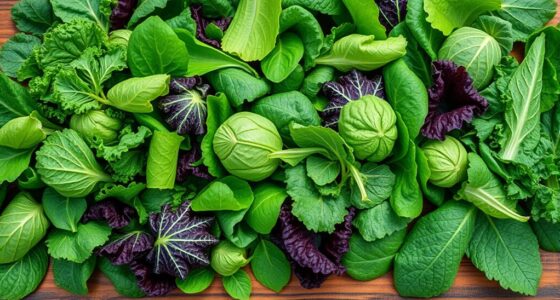
Root juices build a fall flavor profile by providing a warm, earthy sweetness that captures the season’s cozy feel. Ingredients like beet, carrot, turnip, and parsnip evoke harvest time and add depth to your drinks. When combined with seasonal spices and herbs like cinnamon, sage, or thyme, they create layered, comforting flavors. Incorporating regional ingredients enhances authenticity, making your creations truly reflect autumn’s richness. If you keep exploring, you’ll discover how to elevate these flavors even further.

Get kitchen staples and gadgets delivered free — and shop member deals
- Fast, free delivery on millions of items
- Access to Prime Big Deal Days deals on October 6–7
- Prime Video, Amazon Music and more included
Key Takeaways
- Root juices provide earthy, natural sweetness that embodies the harvest and cozy atmosphere of fall.
- They serve as a versatile base for layered flavors with seasonal herbs and spices.
- Incorporating herbs like sage and thyme enhances depth and echoes regional autumn flavors.
- Spices such as cinnamon, ginger, and nutmeg infuse warmth and richness into root-based beverages.
- Using local and native ingredients connects the flavor profile to regional biodiversity and seasonal freshness.
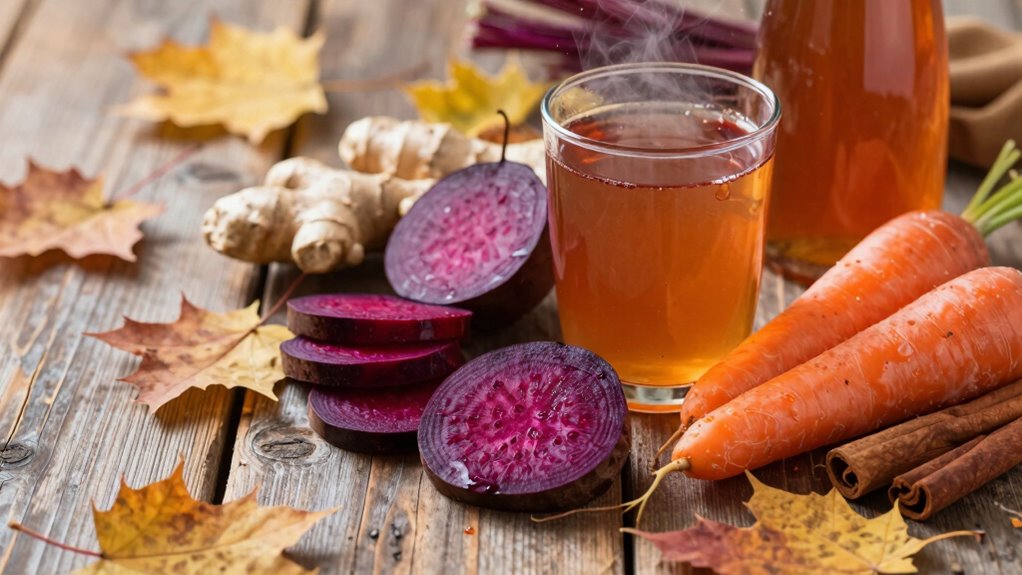
As autumn arrives, the earthy flavors of root juices become the perfect way to celebrate the season. You can harness their natural sweetness and depth to create a warm, comforting flavor profile that embodies fall’s cozy spirit. Root juices like beet, carrot, turnip, and parsnip are versatile ingredients that serve as a solid foundation for building layered flavors. To truly capture the essence of fall, you’ll want to enhance these juices with herbal pairings and seasonal spice blends. These additions do more than just complement; they elevate the overall experience, making each sip a celebration of the harvest season.
Herbal pairings are a simple yet effective way to add complexity to your root juices. Think about herbs like thyme, sage, or rosemary—these herbs bring a fragrant, earthy quality that harmonizes beautifully with the natural sweetness of root vegetables. Fresh herbs can be muddled directly into the juice or infused during blending to release their aromatic oils. For a more subtle touch, a sprig of thyme or a few sage leaves can be used as garnish, allowing their scent to mingle with the earthy undertones. You might also experiment with mint or basil for a fresh contrast, creating a lively balance against the richness of the roots. Incorporating seasonal herbs that are native to your region can also inspire seasonal variations, such as using herbs and spices that are native to your region, enriching the local connection of your fall drinks. Exploring local ingredients can further enhance the authenticity and freshness of your flavors.
Herbs like thyme, sage, and rosemary add earthy depth, while mint and basil provide fresh, lively contrast.
Seasonal spice blends are the heart of fall flavor in your root juices. Cinnamon, nutmeg, ginger, and cloves are classic choices that evoke feelings of warmth and comfort. You can incorporate these spices directly into your juices by blending or stirring them in after juicing. For a more nuanced flavor, consider making a spice infusion—boil the spices with water, then add the strained infusion to your juice. These spices not only add warmth but also deepen the flavor profile, making each glass feel like a cozy autumn hug. Combining seasonal spice blends with herbal pairings results in a layered complexity that captures fall’s essence perfectly. Incorporating biodiversity into your flavor choices can also inspire seasonal variations, such as using herbs and spices that are native to your region, enriching the local connection of your fall drinks. Additionally, selecting a variety of herbs and spices from different regions can introduce unique nuances, elevating your beverage experience.
With the right combination of herbs and spices, your root juices become more than just healthy drinks; they transform into a sensory experience that celebrates the season. You can experiment with different combinations, adjusting the intensity of herbs and spices to suit your taste. Whether you prefer a subtle hint of sage with a touch of cinnamon or a bolder mix of ginger and rosemary, these ingredients help you craft a fall flavor profile that’s both comforting and sophisticated. In the end, your root juices will evoke the warmth, earthiness, and spice-filled richness that make autumn such a special time of year.
electric juice extractor for root vegetables
As an affiliate, we earn on qualifying purchases.
As an affiliate, we earn on qualifying purchases.
Frequently Asked Questions
Are Root Juices Suitable for All Dietary Restrictions?
Root juices can suit many dietary restrictions, but you should check their dietary compatibility first. If you have specific allergies, like to beets or carrots, you need to avoid those juices or find alternatives. Always read labels and ask about ingredients, especially if you have allergy considerations. While generally healthy, some root juices may not fit all diets, so it’s best to customize your choices based on your needs.
How Long Do Root Juices Retain Their Flavor and Nutrients?
Root juices typically retain their flavor and nutrients for about 24 to 48 hours when refrigerated, but flavor preservation and nutrient stability decrease over time. To maximize both, drink them fresh or store them in airtight containers away from light and heat. If properly stored, you can enjoy their vibrant fall flavors and health benefits longer, though for ideal taste and nutrients, it’s best to consume root juices within the first day or two.
Can Root Juices Be Used in Savory Fall Dishes?
Yes, you can definitely use root juices in savory fall dishes. Their culinary versatility shines when you blend them into hearty soups, stews, or roasted vegetables. Sweet and savory pairings work beautifully, adding depth and natural sweetness. You might incorporate beet or carrot juice into a glaze for roasted meats or use parsnip juice in a creamy sauce. Root juices enhance flavors and bring a seasonal, earthy touch to your dishes.
What Are the Best Storage Methods for Root Juices?
You should store root juices in airtight storage containers to keep them fresh. Refrigeration techniques, like keeping the juices in a sealed jar or bottle, help preserve their flavor and nutrients. Make sure to fill the container to minimize air exposure, which can cause spoilage. Store them in the coldest part of your fridge, ideally between 32-40°F, and consume within 2-3 days for the best taste and quality.
Are There Any Allergenic Concerns With Root Juices?
In the days of yore, you’d want to be cautious with root juices. They can cause allergenic cross reactivity in sensitive individuals, especially if you have known allergies to certain plants like carrots or beets. Hidden ingredient risks also exist, as some juices may contain additives or contaminants. Always check labels thoroughly and consult with an allergist if you’re unsure, to avoid unexpected reactions and enjoy your fall flavors safely.
Conclusion
Just like a vibrant fall landscape painted with rich, earthy tones, root juices bring warmth and depth to your flavors. Think of them as the hidden roots beneath a mighty tree—grounded, resilient, and full of life. When you embrace these earthy elixirs, you’re planting seeds of cozy comfort and seasonal charm into your palate. Let your taste buds wander through this harvest season, and savor the soulful journey that root juices generously offer.
Fall Picks
fall essentials
As an affiliate, we earn on qualifying purchases.