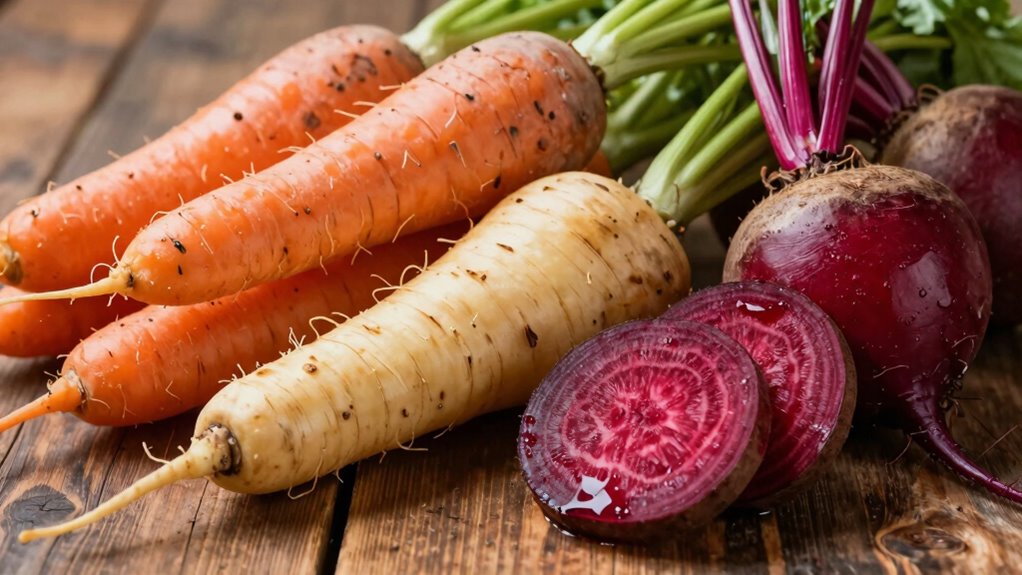

Root vegetables add weight to your blend because they’re dense and fibrous, making your mixture more substantial. They help you reach specific volume and consistency without sacrificing flavor or nutrition. Cooking them slightly reduces water content, concentrating flavors and nutrients, which enhances their contribution. You’ll also notice that their nutritional benefits boost the overall healthiness of your blend. Keep exploring to discover even more ways these versatile ingredients can enhance your recipes and products.

Get kitchen staples and gadgets delivered free with Prime
- Fast, free delivery on millions of items
- Prime Video, Amazon Music and more included
- Member-only deals all year
Key Takeaways
- Root vegetables have dense, fibrous structures that contribute significant weight to blends.
- Cooking methods soften roots, concentrate flavors, and slightly reduce water content, increasing their contribution to weight.
- Raw root vegetables add crunch and moisture, impacting the overall weight and texture of the blend.
- Their high dietary fiber content adds bulk, enhancing the perceived weight and substance of the mixture.
- Seasonality and moisture levels influence the actual weight contribution of root vegetables in blends.
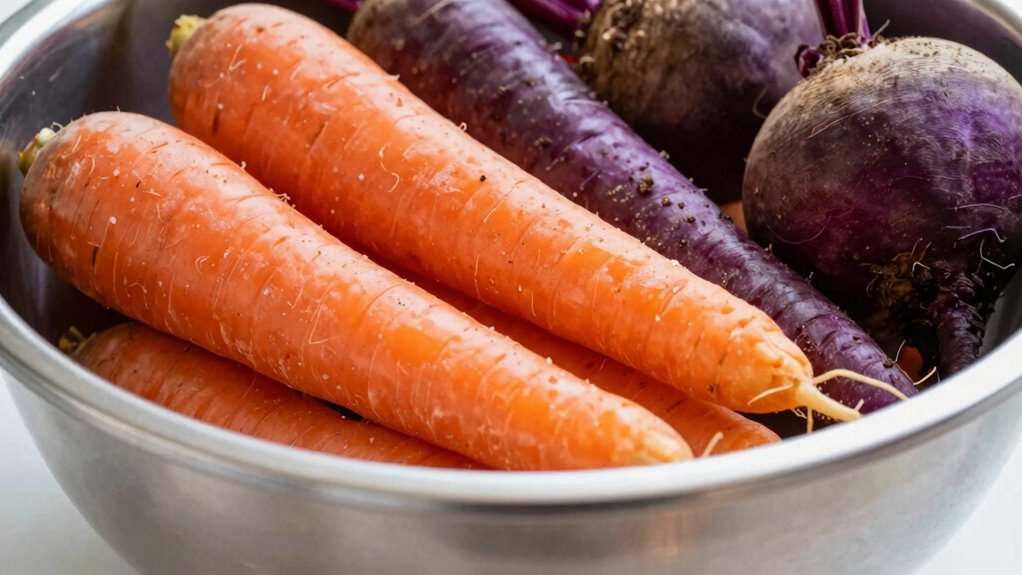
Root vegetables play an essential role in achieving the perfect blend weight in cooking and food processing. When you’re working on recipes or commercial products, adding these vegetables helps you reach the desired consistency and volume without sacrificing flavor or nutrition. Their dense, fibrous nature allows them to contribute significant weight, making your blends more substantial and satisfying. Furthermore, understanding their nutritional benefits can guide you in choosing the right root vegetables for your needs, whether for health-focused dishes or calorie-dense formulations. The way you prepare them can also influence their impact on your blend, making cooking methods a crucial consideration. Nutritional benefits are a key reason to incorporate root vegetables into your blends. They’re packed with essential vitamins, minerals, and dietary fiber, which boost the overall nutritional profile of your product. For example, carrots provide vitamin A, while beets add iron and antioxidants. Including these root vegetables not only increases the weight but also enhances the health benefits of your final dish or product. This added nutritional value can be a selling point or a way to improve the quality of meals, especially if you’re aiming for a more wholesome, nutrient-dense outcome.
Root vegetables add weight, flavor, and nutrition, making your blends more substantial and satisfying.
Cooking methods play a fundamental role in how root vegetables affect your blend weight. You can choose to cook them before blending or use them raw, depending on the desired texture and flavor. Roasting or boiling root vegetables softens their structure, making them easier to puree and integrate into smooth blends like soups or smoothies. This process slightly reduces their water content, concentrating their flavors and nutrients, which ultimately increases their contribution to the weight of your mixture. Using different cooking techniques can also influence the texture and flavor of your final product, allowing for greater customization. On the other hand, using raw root vegetables can add crunch, brightness, and a different nutritional profile, which might be preferable in salads or raw food dishes. Additionally, understanding how moisture content impacts the weight and consistency of your blends can help you fine-tune your recipes for optimal results. Recognizing the nutritional density of various root vegetables can further assist in selecting the best options for your dietary goals. Considering the seasonality of root vegetables can also influence their availability and flavor, impacting your blending choices.
As an affiliate, we earn on qualifying purchases.
Frequently Asked Questions
Do Root Vegetables Affect the Flavor of a Blend?
Yes, root vegetables affect the flavor of a blend by providing subtle earthy notes that enhance overall taste. They also contribute to flavor enhancement, balancing other ingredients. Additionally, root vegetables influence texture modification, making the blend thicker and creamier. Their natural sweetness can complement savory flavors, creating a richer, more complex profile. So, incorporating root vegetables can truly elevate your blend’s flavor and texture, making it more satisfying and well-rounded.
Which Root Vegetables Are Best for Weight Gain?
You should choose root vegetable varieties like sweet potatoes, yams, carrots, and beets for weight gain. They’re packed with calories and nutrients, making them your best allies. Comparing nutritional content reveals yams and sweet potatoes rank highest in carbs and calories, fueling your goals. These vegetables deliver a nutritional punch so powerful, it feels like a turbo boost for your weight gain journey. Incorporate them into your meals daily for best results.
How Does Cooking Alter Root Vegetable Weight?
Cooking changes the weight of root vegetables mainly through water loss or absorption, depending on the method. Boiling causes water loss, reducing weight but concentrating nutrients, while roasting can add weight via oil absorption. These cooking methods affect nutrient density and overall weight, so you should consider them when preparing root vegetables for weight gain. Adjust your recipes based on whether you want to retain moisture or enhance nutrient density.
Can Root Vegetables Be Used in Smoothies?
Absolutely, you can toss root vegetables into smoothies! They might seem like a bold choice, but they dramatically boost flavor enhancement and nutritional benefits. Think of turning your drink into a powerhouse of vitamins, minerals, and natural sweetness. Carrots, beets, or sweet potatoes blend seamlessly, adding depth and richness, transforming your smoothie into a health-packed, irresistible treat. Don’t shy away—embrace these root vegetables for a vibrant, wholesome boost!
Are Root Vegetables Suitable for Low-Calorie Blends?
Root vegetables can be suitable for low-calorie blends if you choose the right ones, like carrots or celery. They add natural sweetness and texture without many calories. For seasoning compatibility, pair them with herbs or spices that enhance flavor without extra calories. Store them in a cool, dark place, and use airtight containers to keep them fresh. This way, you enjoy nutritious, low-calorie blends with the right flavor and longevity.
Conclusion
Adding root vegetables to your blend is like packing a toolbox with essential tools—they boost weight, flavor, and nutrition effortlessly. These hearty vegetables fill out your mixture, giving it a satisfying heft without overpowering other ingredients. So next time you’re blending, remember that root vegetables are your secret weapon, turning a light mix into a substantial, wholesome creation. Embrace their power and watch your blends transform into something truly nourishing and satisfying.
Halloween Picks
halloween
As an affiliate, we earn on qualifying purchases.