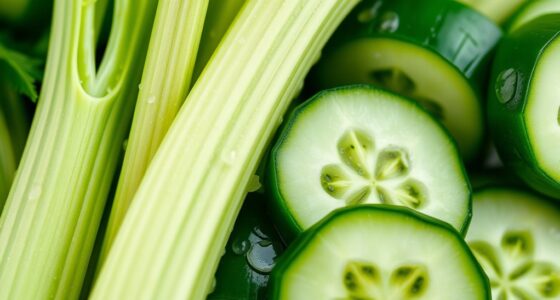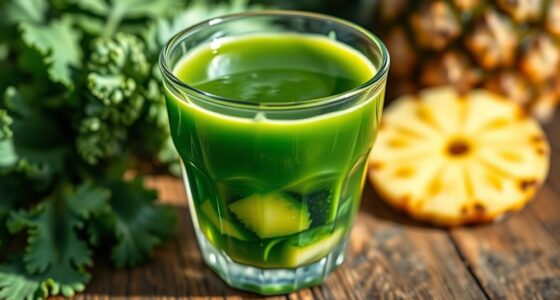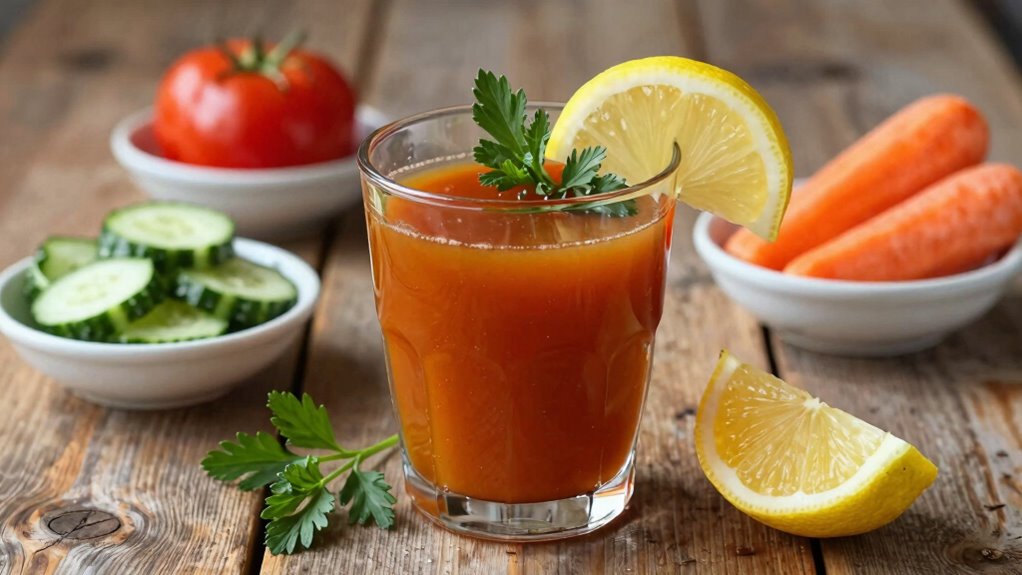

To make a savory juice feel more like a meal, focus on adding protein sources like yogurt or plant-based powders for sustenance. Incorporate healthy fats such as avocado or nuts to boost richness, and include fiber-rich ingredients like greens or chia seeds for fullness. Using hearty vegetables and balanced flavors will improve the texture and taste. Keep exploring for tips on creating a truly satisfying, nourishing juice that fuels your body effectively.

Get kitchen staples and gadgets delivered free with Prime
- Fast, free delivery on millions of items
- Prime Video, Amazon Music and more included
- Member-only deals all year
Key Takeaways
- Incorporate protein sources like Greek yogurt or plant-based protein powders for satiety.
- Add healthy fats such as avocado or nuts to create richness and fullness.
- Use fiber-rich ingredients like leafy greens or chia seeds to enhance digestive benefits.
- Achieve a thicker, creamier texture with ingredients like blended nuts or avocado.
- Balance savory flavors with herbs, spices, salt, or vinegar to create a satisfying, meal-like taste.
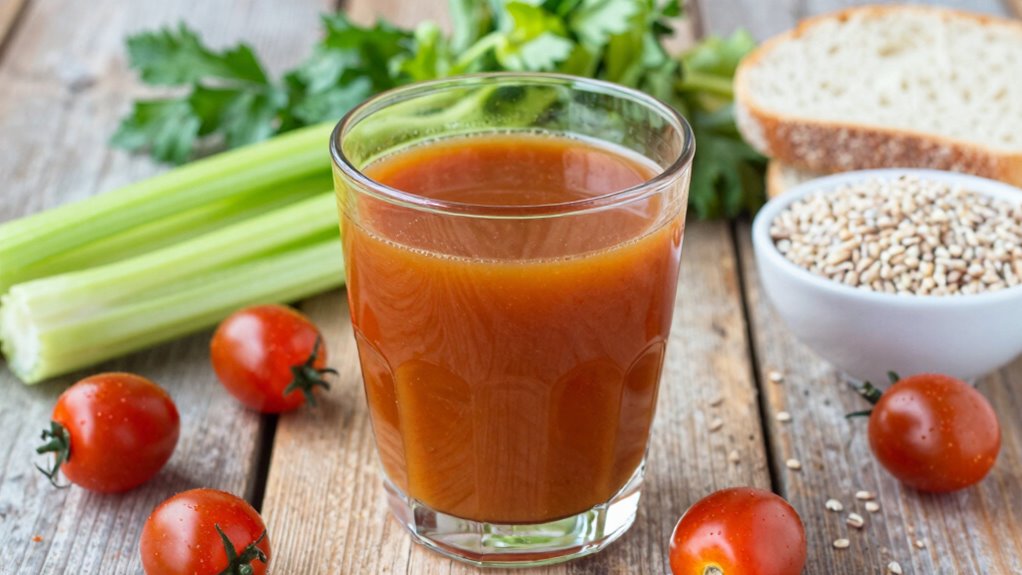
Imagine turning a simple glass of juice into a satisfying, nutrient-packed meal—that’s the idea behind savory juice. It’s not just about flavor; it’s about creating a drink that fills you up and provides the energy you need to power through your day. To do this, you need to think carefully about flavor combinations and nutritional balance. Combining ingredients that work well together enhances the taste and makes your juice feel more substantial. For example, blending savory vegetables like tomatoes, cucumbers, and bell peppers with herbs and spices can create a complex, satisfying flavor profile. Adding a touch of salt or a splash of vinegar can elevate the taste further, making the juice more savory and less like a typical fruit blend.
Transform a simple juice into a hearty, nourishing meal with savory vegetables, herbs, and balanced nutrients.
But flavor alone isn’t enough. To make your savory juice feel more like a meal, you have to guarantee it offers nutritional balance. This means including ingredients that provide protein, healthy fats, fiber, and essential vitamins and minerals. Incorporate sources like avocado or nuts for healthy fats, which add richness and satiety. For protein, consider adding Greek yogurt or a scoop of plant-based protein powder. Fiber-rich ingredients such as leafy greens, celery, or chia seeds help keep you full longer and support digestion. Including nutrient-dense ingredients can enhance the overall health benefits of your juice. It’s also helpful to understand the nutritional value of various ingredients to craft a well-rounded meal replacement. Additionally, paying attention to ingredient synergy can improve both flavor and nutritional impact, making your juice more satisfying. Incorporating a variety of textures and flavors can further elevate the overall experience, making it feel more like a complete meal.
Texture plays a role, too. A thicker, creamier consistency can make your savory juice feel more substantial. Using ingredients like avocado or blended nuts can give it that desirable mouthfeel, mimicking the heft of a meal. Additionally, the temperature can influence your perception; a slightly chilled, hearty juice can feel more satisfying than a thin, watery one. Garnishes like a sprinkle of seeds or herbs can add visual appeal and a bit more texture, making it feel more like a prepared meal rather than just a beverage. Paying close attention to flavor balance ensures that each sip is both enjoyable and nourishing, encouraging you to make savory juice a regular part of your diet. Incorporating nutritional balance not only improves your health but also ensures sustained energy levels throughout your day.
Ultimately, creating a savory juice that feels more like a meal involves a careful balance—balancing flavors so that each sip is both enjoyable and filling while securing it delivers a thorough nutritional profile. When you combine flavor combinations with nutritional balance, your juice becomes a versatile, nourishing option that can replace a light lunch or serve as a satisfying snack. It’s about blending taste, texture, and nutrients seamlessly, so every glass fuels your body and satisfies your hunger.
Frequently Asked Questions
Can Savory Juices Replace Traditional Meals Entirely?
Savory juices can replace traditional meals if they offer the right flavor combinations and nutritional balance. You need a mix of proteins, healthy fats, and complex carbs to feel satisfied and energized. Incorporate ingredients like vegetables, lean meats, and grains to mimic a complete meal. While convenient, make sure your savory juice is well-rounded to meet your nutritional needs, or it might leave you hungry and lacking essential nutrients.
What Ingredients Make a Juice Feel More Filling?
You’ll find that adding ingredients like avocado, nuts, or seeds makes your juice more filling, as they boost healthy fats and protein. Studies show that incorporating nutrient-dense foods increases satiety. Focus on flavor combinations like herbs, spices, and vegetables, which enhance taste and nutrient diversity. Ingredient versatility allows you to create hearty, satisfying juices, turning a simple drink into a meal replacement that keeps you full longer.
Are Savory Juices Suitable for Vegans and Vegetarians?
Yes, savory juices are suitable for vegans and vegetarians. You can use vegan substitutes like plant-based broths, tofu, or tempeh to boost flavor and protein. Vegetarian options also work well, including ingredients like cheese or yogurt. By choosing fresh vegetables, herbs, and plant-based proteins, you create a nourishing, cruelty-free drink that appeals to both vegans and vegetarians, making it a versatile, satisfying meal option.
How Long Can You Store Savory Juice Before It Spoils?
You can store savory juice in the fridge for about 24 to 48 hours before it spoils. To maximize flavor preservation, use airtight storage containers that prevent air from degrading the juice. Keep it chilled and avoid prolonged storage, as nutrients and taste decline quickly. Always check for any signs of spoilage, like off smells or mold, before drinking. Proper storage helps keep your savory juice fresh and flavorful longer.
Do Savory Juices Contain Enough Protein for a Meal?
In most cases, savory juices don’t contain enough protein to be considered a complete meal. For example, a vegetable-based savory juice might have a decent protein content but falls short of nutritional balance needed for satiety. To make it more meal-like, add ingredients like protein powder, nuts, or beans. This boosts the protein content, ensuring your savory juice offers a more balanced, satisfying nutritional profile.
Conclusion
By blending hearty vegetables, a splash of protein, and bold herbs, you turn savory juice into a satisfying meal—no need to wait for the next feast at the tavern. Just like the ancient alchemists sought magic in their concoctions, you craft a potion that fuels your body and pleases your palate. So next time you crave sustenance, remember, your blender is your modern cauldron, transforming simple ingredients into a meal that’s both nourishing and delightful.
Halloween Picks
halloween
As an affiliate, we earn on qualifying purchases.