TL;DR

Get kitchen staples and gadgets delivered free with Prime
- Fast, free delivery on millions of items
- Prime Video, Amazon Music and more included
- Member-only deals all year
A Good Housekeeping report recommends eight fall foods that fit Mediterranean-style eating: butternut squash, lentils, pears, kale, citrus, walnuts, olive oil and pomegranate. The list offers seasonal meal ideas, but it is not a clinical study, and several health effects described in the source are associations or potential benefits rather than guarantees.
Good Housekeeping has published a fall food guide recommending eight seasonal ingredients for Mediterranean-style meals, including butternut squash, lentils, pears, kale, citrus, walnuts, olive oil and pomegranate. The report pairs nutrition descriptions with practical serving suggestions, while some health effects it mentions are framed as potential benefits or links, not promises that eating a particular food will prevent or treat disease.
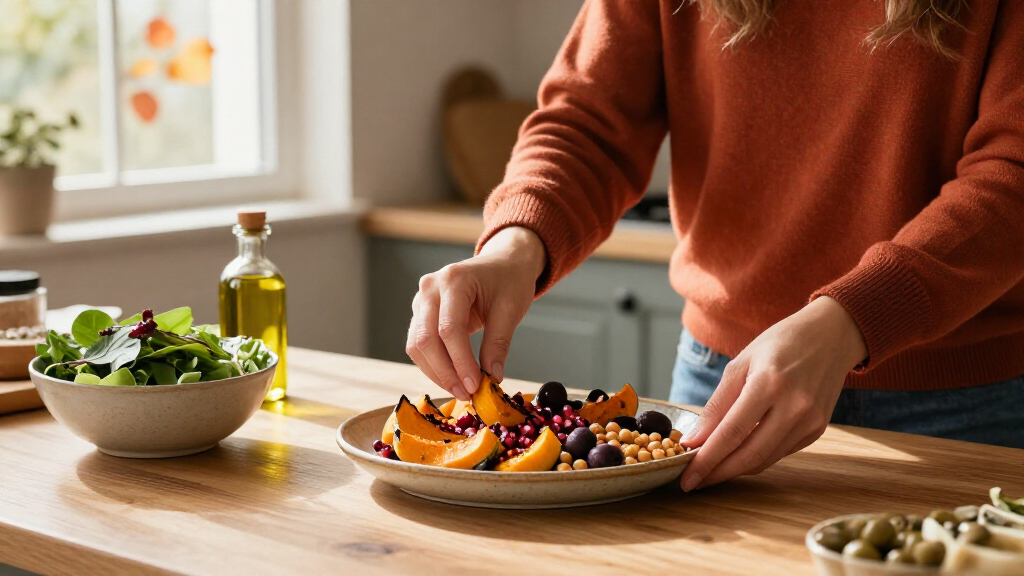
The list puts butternut squash and lentils among its hearty options for cooler weather. The report suggests roasting squash with olive oil and herbs, adding it to soup, salads or pasta, and using lentils in soups, stews or salads. It describes squash as a source of fiber and vitamins, including beta carotene, and lentils as a source of plant-based protein, fiber and iron.
For fruit and greens, the guide recommends pears, kale and lemons and oranges. Pears can be eaten as a snack or added to salads with walnuts and feta, while kale can be massaged with olive oil and lemon or cooked in soups and stews. The report says citrus season begins in November and suggests using lemon to brighten lentil and kale dishes or orange slices in a squash and white bean salad.
The remaining suggestions are walnuts, olive oil and pomegranate. Walnuts can top oatmeal, yogurt or salads; olive oil can be used to sauté vegetables, dress greens or finish soups; and pomegranate seeds can garnish grain bowls, roasted vegetables, yogurt or hummus. The report describes walnuts as a source of plant-based omega-3 fat and olive oil as a source of monounsaturated fat. It presents pomegranate as a late-fall and early-winter fruit with a sweet-tart flavor.
Seasonal Choices for Everyday Meals
The guide matters as a practical shopping and cooking list rather than as new clinical evidence. Its suggestions show ways to use seasonal produce alongside legumes, nuts and olive oil, with different textures and flavors available for soups, salads, sides and snacks. Readers can adapt the ideas to meals they already make instead of treating the list as a fixed menu.
The health language warrants care. The source says some data link pear consumption with heart-health support and describes possible benefits of compounds in citrus, walnuts and olive oil. Those statements do not establish that any one food prevents disease. The supplied report does not provide study details, effect sizes or a review of evidence, and it does not offer individualized nutrition advice.
Products Worth Considering

KitchenAid Classic Series 4.5-Quart Tilt-Head Stand Mixer, Onyx Black

De'Longhi Magnifica Evo Fully Automatic Espresso Machine with Manual Milk Frother, Silver

Instant Pot Duo 6-Quart 7-in-1 Electric Pressure Cooker
As an affiliate, we earn on qualifying purchases.
A Fall Take on Mediterranean Eating
The report presents the Mediterranean diet as a pattern that includes vegetables, fruit, legumes, nuts and olive oil, rather than a list of single foods with guaranteed effects. Its fall focus reflects seasonal availability: squash and kale suit warm dishes, citrus adds brightness, and pears and pomegranates offer fruit options as the weather cools.
Good Housekeeping’s source material includes comments from nutrition professionals identified by surname. Stuart describes squash as a fall addition, while Shaw discusses combining citrus with beans and lentils. The supplied text does not give their full names, credentials or the underlying research behind the cited health claims, so those details cannot be independently assessed from this material alone.
“Fall is the perfect time to enjoy butternut squash, a fantastic addition to the Mediterranean diet.”
— Stuart, quoted in the Good Housekeeping report
Health Claims and Evidence Limits
The supplied material does not include the report’s publication date, links to the research behind individual health statements, or detailed information about the cited experts. It is also unclear how strong or consistent the evidence is for the specific potential benefits mentioned, including associations with heart health or inflammation. The article’s food suggestions can be reported, but the claims should not be read as proof of treatment or prevention.
The guide does not specify portions, substitutions, allergy accommodations or a complete meal plan. People with dietary restrictions or medical conditions may need advice tailored to them; the list alone does not answer those questions.
Putting the Ingredients on Plates
Readers can use the recommendations as a starting point for fall meals: roast squash with olive oil, make a lentil and kale stew with lemon, or add pear and walnuts to a salad. The next step is personal cooking and shopping, not a scheduled development reported by the source. No follow-up study, official dietary update or new guidance is identified in the supplied material.
As with any food list, preparation and individual needs matter. Check ingredient labels where relevant, particularly for packaged foods, and adapt recipes for allergies or other dietary requirements. The source does not make food-safety claims or provide storage instructions.
Key Questions
Which foods does the report recommend for fall?
It names butternut squash, lentils, pears, kale, lemons and oranges, walnuts, olive oil and pomegranate.
Does the report show that these foods prevent disease?
No. It describes some potential benefits and associations, but the supplied material does not establish that eating these foods prevents or treats disease.
How can I combine the foods in a meal?
The report suggests options such as lentils with kale and lemon, squash with white beans and orange, or pear and walnuts in a salad. These are meal ideas, not a required plan.
Are the health claims supported with study details in the supplied source?
No study titles, methods or effect sizes are included in the provided material, so the strength of the cited evidence cannot be assessed from it alone.
Source: goodhousekeeping.com