TL;DR

Get kitchen staples and gadgets delivered free with Prime
- Fast, free delivery on millions of items
- Prime Video, Amazon Music and more included
- Member-only deals all year
A Good Housekeeping report outlines six categories of vintage mugs that may pose safety concerns, including chipped or crazed ceramics, lead crystal, and some older or poorly documented pottery. Vintage mugs are not automatically unsafe, but age, materials and condition matter; the report advises using questionable pieces for decoration and researching them before drinking from them.
A Good Housekeeping report has identified six types of vintage mugs that may be unsafe for drinking, citing possible lead or cadmium in some glazes, damage that can trap bacteria, and uncertainty about older or poorly documented pottery. The guidance does not say all vintage mugs are unsafe: it recommends treating questionable pieces as decorative items and checking their age, condition and origin.
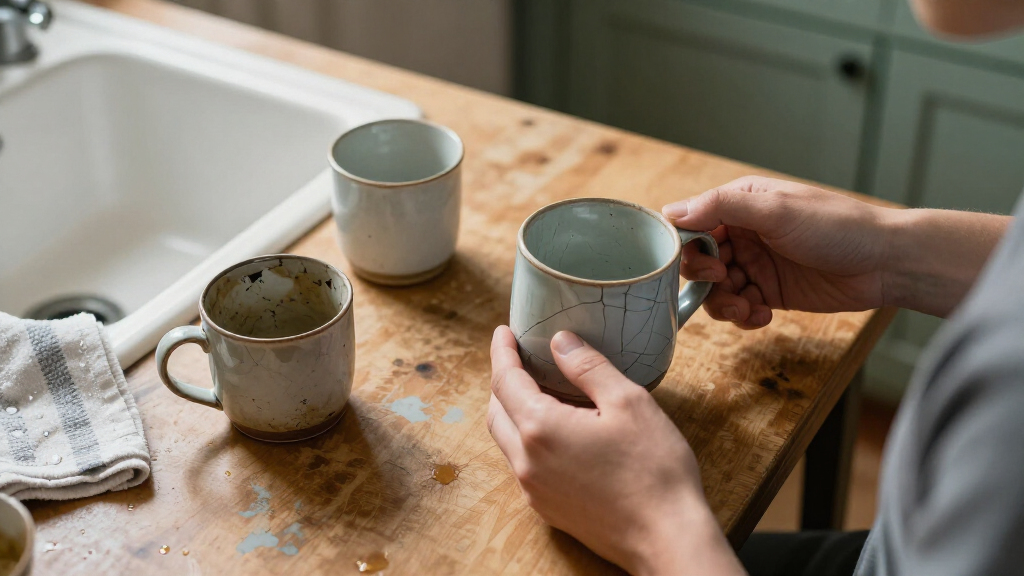
The six categories named in the report are mugs with chips or crazing; lead-crystal mugs; mugs made before the early 1970s; antique pewter mugs from the 17th and 18th centuries; certain vintage ceramicware; and mugs marked “Decorative Use Only” or similar. The report also urges caution with pottery that has a handmade or crude appearance, irregular designs, substantial wear, or an uncertain maker.
Interior designer and antique curator Melissa Davies told Good Housekeeping that older ceramic glazes may contain lead or cadmium, which can leach into drinks, particularly when exposed to heat or acidic liquids. The report says chips and fine cracks can let liquid seep into unsealed surfaces, making them harder to clean and potentially exposing underlying materials.
The report describes lead crystal as a distinct concern: Davies said the designation required at least 24% lead oxide by weight. It also cites the Pewter Society on antique pewter, which may contain a small percentage of lead. For ceramics, the report relays FDA cautions about some vintage pottery and says items from flea markets or street vendors may be difficult to assess when the manufacturer or origin cannot be verified.
When a Display Mug Is Safer
The guidance matters because potential hazards are not always visible in a mug’s decoration or age alone. A damaged glaze can be difficult to clean, while some older materials may release contaminants into beverages. The report particularly flags the possibility of lead or cadmium exposure from certain ceramics, but does not establish that every mug in the listed categories contains those substances or will leach them.
For collectors and thrift-store shoppers, the practical distinction is between a mug’s value as a collectible and its suitability for food use. Reserving a questionable piece for display avoids using it with hot or acidic drinks while preserving it. The report’s advice is cautious rather than a blanket warning against vintage drinkware: age, condition and provenance all affect the assessment.
Products Worth Considering

Cuisinart 7-in-1 Air Fryer Toaster Oven Combo, 1800W, TOA-55

Weber Smokey Mountain Cooker 14 Charcoal Smoker

Breville Bambino Espresso Machine, Brushed Stainless Steel
As an affiliate, we earn on qualifying purchases.
Age, Glaze and Food Rules
The report explains that manufacturing standards have changed over time. Davies said items made before 1971 were not subject to U.S. standards regarding lead, and suggested that consumers seeking added assurance choose mugs made after 1992, when rules tightened. The report gives special caution to brightly colored ceramics, including red, orange and yellow pieces, which may have glazes made with lead or cadmium. These statements are presented as guidance about risk, not proof that a particular mug is contaminated.
It also distinguishes modern pewter from antique examples: the report says modern pewter is acceptable for drinking, while 17th- and 18th-century pewter may contain lead. The FDA is cited for cautions about certain vintage ceramicware, including pottery with a handmade or crude appearance and pieces that are damaged or heavily worn. No testing results for individual mugs are provided.
“Older ceramic mugs may contain lead or cadmium in their glazes, which can leach into beverages, particularly when exposed to heat or acidic liquids.”
— Melissa Davies, interior designer, antique curator and founder of The Preppy Grandmillennial, as quoted by Good Housekeeping
What a Mug’s Appearance Cannot Prove
The report does not provide laboratory tests, contamination levels or a way to confirm the composition of a specific mug from appearance alone. It also does not quantify how often lead or cadmium leaches from the listed ceramics, or how exposure varies by beverage, temperature and use. A mug’s age or color may raise a concern, but the article does not say those traits prove it is hazardous.
The guidance is not an exhaustive inventory of unsafe drinkware, and the source says many vintage mugs are safe to drink from. For an item with an unknown maker, unclear age or damaged surface, the safest choice cannot be determined from the supplied information alone; the report recommends research and using it decoratively when in doubt.
How to Handle a Questionable Mug
Consumers can first inspect a mug for chips, hairline cracks and worn glaze, then look for markings that identify its maker, age or intended use. The report advises against drinking from pieces marked “Decorative Use Only” and suggests researching uncertain pottery, especially items bought from sellers who cannot provide reliable information about their origin.
If the mug’s materials or food-safe status remain uncertain, the report’s practical recommendation is to repurpose it for display rather than use it for beverages. It does not announce a recall, new regulation or formal testing program, and no further action or official review is specified in the source material.
Key Questions
Are all vintage mugs unsafe to drink from?
No. The report says vintage mugs are not inherently unsafe. Risk depends on factors such as material, age, condition and whether the maker or food-safe status can be verified.
Which vintage mugs does the report advise against using for drinks?
It flags chipped or crazed mugs, lead crystal, mugs made before the early 1970s, 17th- and 18th-century pewter, certain worn or poorly documented vintage ceramics, and pieces marked “Decorative Use Only.”
Can a bright color prove a ceramic mug contains lead?
No. The report says some brightly colored glazes may contain lead or cadmium, but it does not say color alone confirms contamination. It provides no test results for individual mugs.
What should I do if I cannot identify a vintage mug?
Research its maker, age and markings if possible. If its origin or food-safety status remains uncertain, the report recommends using it for decoration rather than drinking.
Source: goodhousekeeping.com