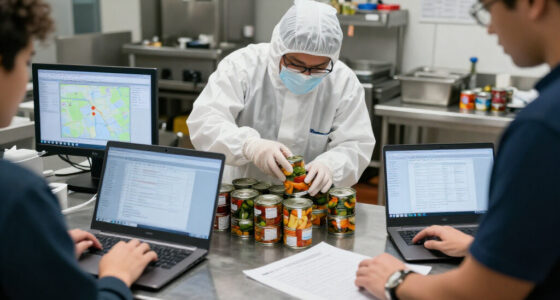
Legal and Business Analysis Publisher’s Platform: Fifty People Sick, A Known Supplier, And FDA Still Won’t Say Its Name. That Is Wrong, And Here Is How We Fix It. A food-safety attorney says a federal investigation has not named the supplier of Trader Joe’s chicken wraps linked to 50 E. coli illnesses. The Juicery World TeamOctober 24, 2026
Legal and Business Analysis FDA Meeting Seeks To Gather Input On Exemptions From Food Traceability Rule The FDA plans a public meeting on draft guidance that could exempt some restaurants and small food businesses from traceability requirements. The Juicery World TeamOctober 21, 2026
Legal and Business Analysis Nestlé To Close Ohio Factory By End Of 2027 Nestlé plans to move foodservice pouch production from Solon, Ohio, to Gaffney, South Carolina. The Solon factory is expected to close by late 2027. The Juicery World TeamOctober 21, 2026
Legal and Business Analysis When Risk Management And Consumer Trust Collide A Food Safety News report examines how recall timing and communication shaped consumer trust in Raw Farm cheese and ByHeart formula cases. The Juicery World TeamOctober 15, 2026
Legal and Business Analysis Lawsuit Targets Starbucks ‘Sugar-Free’ Protein Drinks Over Milk Sugar A proposed class action says eight Starbucks protein lattes and matchas contain 13 to 21 grams of milk sugar despite their “Sugar-Free” name. The Juicery World TeamOctober 8, 2026
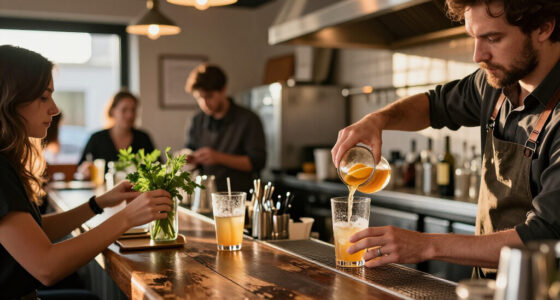
Legal and Business Analysis Beverage Programs Are Under Pressure. These Pros Are Finding Ways To Adapt. Restaurant beverage buyers are adjusting wine choices, pricing and purchasing as inflation, tariffs and wholesale disruption strain programs. The Juicery World TeamOctober 7, 2026
Legal and Business Analysis FDA Cites Juice Processor For HACCP Failures And Lack Of Pathogen Reduction The FDA cited Wellmill, doing business as Vitamix Laboratories, for juice HACCP failures, including no required pathogen-reduction process. The Juicery World TeamOctober 6, 2026
Legal and Business Analysis 6 Food Manufacturers Talk Supply Chain Tactics Executives from six food and beverage companies outlined cost cuts, freight changes, AI use and inventory moves at a September investor conference. The Juicery World TeamOctober 6, 2026
Legal and Business Analysis How PepsiCo Uses Chefs To Think Differently About Innovation PepsiCo culinary director Mitchell Dingwall describes how chefs, food scientists and market research inform new flavors and product development. The Juicery World TeamOctober 1, 2026
Legal and Business Analysis Nestlé Breaks Down Its Path To 2030 For Virgin Plastic Reduction Nestlé plans to cut virgin plastic use 12%–17% from 2018 levels by 2030, relying mainly on recycled content and reduced packaging. The Juicery World TeamSeptember 30, 2026