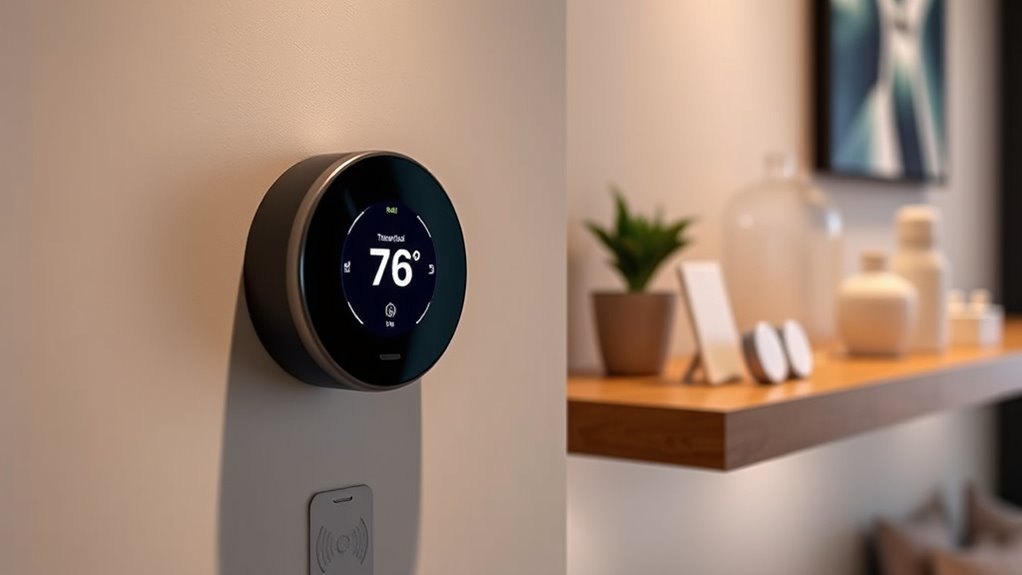

For those seeking smarter climate control, smart thermostats with remote sensors offer the ability to fine-tune temperature based on room-specific data, improving comfort and efficiency. The Google Nest Learning Thermostat (4th gen) with Nest Temperature Sensor stands out for its intelligent learning capabilities, while the ecobee Smart Thermostat Premium shines with built-in voice assistants and advanced sensor options. However, the key tradeoffs often involve balancing cost, setup complexity, and compatibility with existing smart home systems. Continue reading for a detailed breakdown of the best options in 2026, and find the perfect fit for your home and budget.

Get kitchen staples and gadgets delivered free with Prime
- Fast, free delivery on millions of items
- Prime Video, Amazon Music and more included
- Member-only deals all year
Key Takeaways
- The top picks offer a variety of sensor options, from simple room sensors to advanced smart sensors with occupancy detection.
- Integration with voice assistants like Alexa and Siri remains a key differentiator for premium models.
- Price varies widely, with some high-end options offering extensive features, but there are also reliable budget-friendly choices.
- Installation complexity differs; some thermostats are more beginner-friendly, while others require more technical setup.
- Energy efficiency features, such as detailed scheduling and adaptive learning, are common among the best models.
| Google Nest Learning Thermostat (4th gen) + Nest Temperature Sensor (2nd gen) – Silver |  | Best Overall for Intelligent Home Integration | Compatibility: Most 24V systems including gas, electric, oil, heat pump | Display Size: 60% larger display | Sensor: Nest Temperature Sensor (2nd gen) | VIEW ON AMAZON | See Our Full Breakdown |
| ecobee Smart Thermostat Enhanced, Programmable WiFi Thermostat |  | Best Value for Energy Savings and Compatibility | Energy Savings: Up to 26% per year | Compatibility: Supports 90% of HVAC systems | Control: WiFi, Smartphone app, voice assistants | VIEW ON AMAZON | See Our Full Breakdown |
| Honeywell Home T9 WiFi Smart Thermostat with 1 Smart Room Sensor, Touchscreen Display, White |  | Best for Multi-Room Comfort in DIY Installations | Sensor Range: Up to 200 ft | Compatibility: Forced air, hot water, steam | Power: C-Wire required or included power adapter | VIEW ON AMAZON | See Our Full Breakdown |
| ecobee Smart Thermostat Essential – WiFi Thermostat, Energy Star Certified |  | Best for Eco-Friendly DIY Homeowners | Energy Star Certified: Yes | Compatibility: Most 24 VAC systems | Display: Color touchscreen | VIEW ON AMAZON | See Our Full Breakdown |
| ecobee Smart Thermostat Premium – WiFi, Siri & Alexa Built-In, Smart Sensor |  | Best for Whole-Home Smart Comfort and Air Quality | Energy Savings: Up to 26% | SmartSensor: Included | Air Quality Monitoring: Built-in | VIEW ON AMAZON | See Our Full Breakdown |
| TQX Matter Over WiFi Thermostat with Occupancy and Remote Sensor |  | Best for Advanced Occupancy Detection and Ecosystem Integration | Connectivity: WiFi, Matter-enabled | Occupancy Detection: Millimeter wave technology | Remote Sensors: Up to 5 (additional 4 available separately) | VIEW ON AMAZON | See Our Full Breakdown |
| smart thermostats with remote sensor | Compatibility | Display |
|---|---|---|
| Google Nest Learning Thermosta | Most 24V systems including gas, electric, oil, heat pump | — |
| ecobee Smart Thermostat Enhanc | Supports 90% of HVAC systems | — |
| Honeywell Home T9 WiFi Smart T | Forced air, hot water, steam | Touchscreen |
| ecobee Smart Thermostat Essent | Most 24 VAC systems | Color touchscreen |
| ecobee Smart Thermostat Premiu | Most HVAC systems | — |
| TQX Matter Over WiFi Thermosta | — | Light-sensor with automatic brightness adjustment |
More Details on Our Top Picks
Google Nest Learning Thermostat (4th gen) + Nest Temperature Sensor (2nd gen) – Silver
The Google Nest Learning Thermostat (4th gen) excels at adapting to your schedule and preferences, helping save up to 31% on heating and cooling bills. Its larger display, voice control, and compatibility with Google Assistant, Alexa, and Siri make it highly versatile. When paired with the Nest Temperature Sensor (2nd gen), it offers precise zone control, outperforming many competitors like ecobee’s sensors in ease of use. However, it relies heavily on Wi-Fi, and some may find the setup process complex without prior smart device experience. Its higher price point reflects its premium features, which might be less appealing to budget-conscious buyers.
Pros:- Helps reduce energy bills up to 31%
- Large, customizable display and voice control
- Compatible with most 24V heating/cooling systems and no C-wire needed in many cases
Cons:- Requires Wi-Fi for full functionality
- Setup can be complex for beginners
- Higher price point compared to basic models
Best for: Homeowners seeking a highly intelligent, adaptable thermostat that seamlessly integrates with a smart home ecosystem.
Not ideal for: Users with limited Wi-Fi access or who prefer simpler, more straightforward smart thermostats with fewer features.
- Compatibility:Most 24V systems including gas, electric, oil, heat pump
- Display Size:60% larger display
- Sensor:Nest Temperature Sensor (2nd gen)
- Connectivity:Wi-Fi, Google Assistant, Alexa, Siri, Matter
- Control:Google Home app, voice control
- Adaptive Features:Eco, natural heating and cooling
Our verdict“This thermostat is ideal for tech-savvy homeowners wanting advanced AI features and deep ecosystem integration.”
ecobee Smart Thermostat Enhanced, Programmable WiFi Thermostat
The ecobee Smart Thermostat Enhanced makes a compelling case for affordability without sacrificing core smart features, helping users save up to 26% annually. Its support for 90% of HVAC systems and easy DIY installation with included accessories sets it apart from pricier options like the Nest. Unlike the Nest, its smart sensors are sold separately, which adds to the overall cost but allows customization. While it offers robust control via app and voice assistants like Alexa and Google Assistant, some users find setup a bit involved, especially when integrating sensors or troubleshooting connectivity issues. Overall, this pick balances cost and performance well for budget-conscious tech users.
Pros:- Saves up to 26% annually on energy costs
- Supports most HVAC systems with easy installation
- Remote control via app and voice assistants
Cons:- SmartSensors sold separately
- Requires Wi-Fi for remote features
- Setup can be complex for some users
Best for: Cost-conscious homeowners who want reliable energy savings and broad system compatibility.
Not ideal for: Buyers seeking an all-in-one solution with included sensors and quick setup, or those wanting premium design features.
- Energy Savings:Up to 26% per year
- Compatibility:Supports 90% of HVAC systems
- Control:WiFi, Smartphone app, voice assistants
- Warranty:3 years
- Includes:Power Extender Kit, Trim Kit
- SmartSensors:Sold separately
Our verdict“This thermostat offers a strong balance of affordability and smart features, especially for those willing to purchase sensors separately.”
Honeywell Home T9 WiFi Smart Thermostat with 1 Smart Room Sensor, Touchscreen Display, White
The Honeywell Home T9 stands out for its targeted room comfort, thanks to its smart sensors that can monitor multiple zones up to 200 ft away. It’s an excellent choice for those who want control over specific rooms, especially compared to ecobee’s sensors which often require additional purchases. Its touchscreen display simplifies setup and daily control, but it’s limited to forced air, hot water, or steam systems and doesn’t support electric baseboards without additional work. While it requires a C-wire or the included power adapter, its straightforward installation appeals to DIYers. This pick is especially suited for homeowners prioritizing room-specific comfort on a budget.
Pros:- Smart sensors improve multi-room comfort
- Easy touchscreen interface
- Remote control via app and voice assistants
Cons:- Does not support electric baseboard heat without additional wiring
- Requires C-wire or power adapter for installation
- Limited to forced air, hot water, and steam systems
Best for: Homeowners who need precise control over multiple rooms with an easy-to-use touchscreen interface.
Not ideal for: Those with electric baseboard heating systems or without a C-wire, as it’s incompatible or requires extra modifications.
- Sensor Range:Up to 200 ft
- Compatibility:Forced air, hot water, steam
- Power:C-Wire required or included power adapter
- Display:Touchscreen
- Color:White
- Sensor Included:1 Smart Room Sensor
Our verdict“Ideal for users seeking multi-room control with straightforward installation in compatible systems.”
ecobee Smart Thermostat Essential – WiFi Thermostat, Energy Star Certified
The ecobee Smart Thermostat Essential offers a practical entry point into energy-efficient smart heating control, helping save up to 23%. Its simple DIY installation, no C-wire needed with an included Power Extender Kit, makes it accessible for many homeowners. The color touchscreen provides clarity, and its compatibility with major smart home platforms makes it versatile. However, the optional SmartSensors are sold separately, which can increase costs if multi-room control is desired. Compared to ecobee’s higher-end models, this version emphasizes affordability and eco-friendliness over advanced features like air quality monitoring. It’s perfect for eco-conscious, budget-minded users willing to add sensors later.
Pros:- Energy savings of up to 23%
- Easy DIY install without C-wire
- Compatible with major smart home ecosystems
Cons:- SmartSensor pack sold separately
- Some features require app updates
- Limited advanced air quality features
Best for: Eco-conscious homeowners seeking a straightforward, budget-friendly smart thermostat with room for expansion.
Not ideal for: Power users wanting built-in advanced sensors or integrated air quality monitoring from the start.
- Energy Star Certified:Yes
- Compatibility:Most 24 VAC systems
- Display:Color touchscreen
- SmartSensors:Optional, sold separately
- WiFi:Yes
- Installation:DIY, no C-wire needed with Power Extender Kit
Our verdict“This thermostat is a cost-effective, eco-friendly option suitable for DIY enthusiasts planning future sensor upgrades.”
ecobee Smart Thermostat Premium – WiFi, Siri & Alexa Built-In, Smart Sensor
The ecobee Smart Thermostat Premium combines room-specific temperature control with advanced air quality monitoring, making it suitable for users seeking a comprehensive smart home upgrade. Its included SmartSensor and built-in voice assistants, Siri and Alexa, provide versatile control options. Compared to the Essential model, it offers more integrated features, including air quality sensors, at a higher cost. Its support for 95% of HVAC systems and support for security features make it a well-rounded choice for tech-savvy homeowners. However, some features require subscriptions, and Siri’s full functionality depends on an Apple Home Hub, which could be an extra step for setup.
Pros:- Energy savings up to 26%
- Includes SmartSensor for precise room control
- Built-in air quality monitoring and voice assistants
Cons:- Requires subscription for some security features
- Siri functionality needs Apple Home Hub
- Higher cost compared to basic models
Best for: Homeowners wanting a premium, all-in-one smart thermostat with integrated air quality and voice control.
Not ideal for: Budget-conscious users who do not need the advanced air quality features or built-in voice assistants.
- Energy Savings:Up to 26%
- SmartSensor:Included
- Air Quality Monitoring:Built-in
- Voice Assistants:Siri and Alexa
- Compatibility:Most HVAC systems
- Warranty:3 years
Our verdict“This premium thermostat is best suited for those wanting integrated air quality monitoring and voice control with whole-home smart features.”
TQX Matter Over WiFi Thermostat with Occupancy and Remote Sensor
The TQX Matter Over WiFi Thermostat stands out for its sophisticated occupancy detection using millimeter wave technology, which offers a more precise understanding of room presence than typical PIR sensors found in options like the Honeywell T9. Unlike the ecobee Smart Thermostat Premium, which supports multiple smart sensors and seamless voice control, the TQX relies on Matter-enabled smart speakers for remote control, making it ideal for those already invested in a Matter ecosystem. However, it doesn’t regulate individual rooms independently—limiting its use for zoned comfort—nor does it support line voltage systems, which may exclude some installations. Its automatic display brightness adjustment enhances user experience but requires compatible smart-home setups. Compared to other options, it offers excellent occupancy detection and system compatibility but falls short on individual room control and voltage flexibility.
Pros:- Supports remote and local control via Matter-enabled smart devices
- Advanced occupancy detection with learning capabilities
- Automatically adjusts display brightness based on room activity
- Compatible with a wide range of HVAC systems and multiple sensors
Cons:- Does not regulate individual zones or rooms independently
- Limited to specific system types and not compatible with line voltage wiring
Best for: Homeowners with a Matter-compatible smart home setup seeking precise occupancy detection and multi-system support
Not ideal for: Those wanting independent room control or with line voltage systems, as it doesn’t support zoning or 120V/240V configurations
- Connectivity:WiFi, Matter-enabled
- Occupancy Detection:Millimeter wave technology
- Remote Sensors:Up to 5 (additional 4 available separately)
- Display:Light-sensor with automatic brightness adjustment
- System Compatibility:Conventional, Heat pump, PTAC, Fan coil
- Maximum Outputs:Up to 2 heat, 2 cool (conventional); 4 heat, 2 cool (heat pump)
- Voltage Compatibility:Not compatible with 120V/240V line voltage systems
Our verdict“This thermostat is best suited for users who prioritize sophisticated occupancy detection and ecosystem integration over zoned control.”

How We Picked
These smart thermostats with remote sensors were selected based on their performance, usability, build quality, and compatibility with various smart home ecosystems. We prioritized models that include reliable remote sensors capable of adjusting temperature settings based on room occupancy and conditions. Additionally, we evaluated setup ease, app functionality, and the quality of sensor integration. Our ranking reflects a balance between value, feature set, and user flexibility, ensuring each product serves a specific type of buyer—from newcomers to tech enthusiasts—while providing meaningful tradeoffs for each choice.| smart thermostats with remote sensor | Compatibility | Display |
|---|---|---|
| Google Nest Learning Thermosta | Most 24V systems including gas, electric, oil, heat pump | — |
| ecobee Smart Thermostat Enhanc | Supports 90% of HVAC systems | — |
| Honeywell Home T9 WiFi Smart T | Forced air, hot water, steam | Touchscreen |
| ecobee Smart Thermostat Essent | Most 24 VAC systems | Color touchscreen |
| ecobee Smart Thermostat Premiu | Most HVAC systems | — |
| TQX Matter Over WiFi Thermosta | — | Light-sensor with automatic brightness adjustment |
Factors to Consider When Choosing Smart Thermostats With Remote Sensors
Choosing the right smart thermostat with remote sensors involves weighing several factors. Beyond basic temperature control, consider how well the device integrates into your existing smart home setup, the quality and placement of sensors, and the overall energy-saving potential. Understanding these elements helps prevent common pitfalls like overspending on unnecessary features or selecting a model incompatible with your system. The following factors will guide you through making an informed purchase that best suits your home’s needs.Compatibility and Ecosystem Integration
Ensure your chosen thermostat works seamlessly with your existing smart home devices, whether that’s Alexa, Google Assistant, Apple Siri, or others. Compatibility extends beyond voice assistants to smart locks, lights, and security systems. Picking a device with broad ecosystem support reduces setup frustration and future-proofs your investment. Be cautious of models that require proprietary hubs or limited third-party integrations, which can limit your automation options and increase costs.
Sensor Quality and Placement
The effectiveness of remote sensors depends heavily on their placement and quality. Good sensors should accurately detect occupancy and temperature without false triggers. Position sensors away from direct sunlight, drafts, or heat sources to get a true reading of the room. More advanced sensors can detect occupancy patterns, which helps the thermostat optimize heating and cooling. However, more sensors generally mean higher costs, so consider your specific needs versus your budget.
Ease of Installation and Use
While some thermostats boast straightforward DIY installation, others may require professional setup, especially if wiring modifications are needed. User-friendly apps and clear instructions matter, especially for beginners. A complex interface can hinder regular adjustments and discourage use, so opt for models with intuitive controls and helpful support resources. Remember that more feature-heavy models may demand a learning curve that could be frustrating for less tech-savvy users.
Energy Savings and Scheduling Features
Look for thermostats that offer adaptive learning, scheduled programming, and real-time energy reports. These features help reduce utility bills by optimizing heating and cooling based on occupancy and preferences. Some models automatically adjust based on learned routines, while others require manual setup. Be aware that the most advanced energy-saving features often come with higher price tags, but they can pay off over time through lower energy costs.
Cost and Long-Term Value
Price range varies significantly, with budget models providing basic remote sensor functionality, and premium options offering smart home integration, voice assistants, and extensive sensor networks. Consider whether additional features justify the extra cost for your specific needs. Investing in a more capable model can improve comfort and savings, but overspending on features you won’t use can diminish value. Balance your budget with the potential for energy savings and smart home compatibility to find the best fit.
Frequently Asked Questions
Will a smart thermostat with remote sensors work with my existing smart home devices?
Most modern smart thermostats with remote sensors are designed to integrate with popular ecosystems like Alexa, Google Assistant, and Apple HomeKit. However, compatibility varies by brand and model, so it’s crucial to verify that your preferred platform is supported before purchasing. Checking the product specifications and user reviews can help confirm whether the thermostat will work smoothly with your existing setup. This compatibility ensures you can control your system easily through voice commands or automation routines.
How many sensors do I need for good coverage in a multi-room house?
The number of sensors needed depends on your home’s size and layout. For small to medium homes, one or two sensors placed in key areas like living rooms and bedrooms may suffice. Larger or multi-story homes might require more sensors to accurately reflect the conditions across different zones. Keep in mind that placing sensors in the right spots—away from drafts, direct sunlight, and heat sources—is essential for accurate readings. Investing in additional sensors can improve comfort and efficiency but at a higher cost.
Are remote sensors accurate enough to replace traditional thermostats?
Remote sensors can be highly accurate when properly placed, offering a significant advantage over a single central thermostat by providing localized temperature data. They are especially useful in multi-room homes where temperature varies significantly across spaces. However, their accuracy depends on correct placement and quality. While they can effectively manage zone-specific heating and cooling, they might not fully replace a traditional thermostat in all scenarios, particularly if your system requires precise control for specific equipment or zoning.
What features should I prioritize if I want to maximize energy savings?
If energy savings is your main goal, prioritize thermostats with adaptive learning, occupancy detection, and detailed energy reports. These features automatically adjust temperature settings based on your routines and room usage, reducing unnecessary heating or cooling. Compatibility with smart home routines and geofencing features that adjust settings when you’re away can also contribute to savings. Investing in models with Energy Star certification can ensure you get a device designed with efficiency in mind, providing long-term value.
Can I install a smart thermostat with remote sensors myself, or should I hire an electrician?
Many smart thermostats are designed for DIY installation, especially those with straightforward wiring and clear instructions. However, if your current system is complex or you are unfamiliar with electrical work, hiring a professional can prevent potential issues and ensure proper setup. Proper sensor placement also requires some planning to maximize effectiveness. Remember that a correct installation not only improves performance but also extends the lifespan of your device and avoids voiding warranties.
Conclusion
The best choice depends on your specific needs and budget. For overall reliability and smart features, the ecobee Smart Thermostat Premium makes a compelling case for tech enthusiasts and those seeking advanced integration. If you want the best value, the Honeywell Home T9 offers solid remote sensor functionality at a more accessible price point. Beginners or those with simple setups may find the ecobee Smart Thermostat Essential easier to install and operate. For energy-conscious users, models with adaptive learning and occupancy detection can maximize savings. Finally, if you require extensive customization and a premium experience, investing in a high-end model like the Ecobee Premium is well worth it.