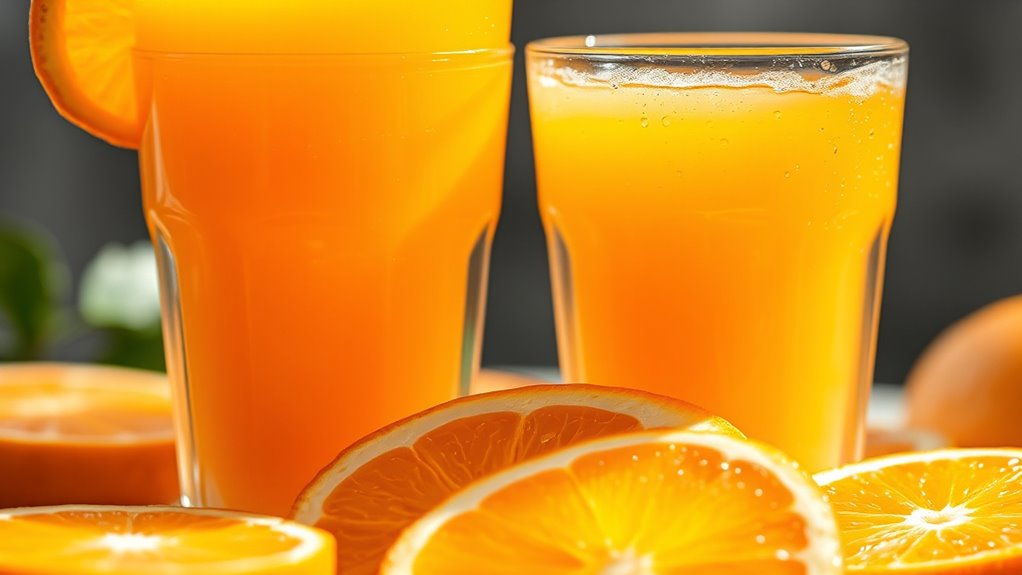

Tangerine and mandarine juices pack a big aroma and complex flavor, despite their small size. To get the most out of these tiny citrus fruits, focus on gentle extraction methods like cold-pressing or manual pressing, which preserve their delicate oils and vibrant aromas. Ripe fruits offer sweeter, fragrant juice, while underripe ones provide a sharper tang. Keep exploring, and you’ll discover how the right technique unleashes their full aromatic potential.

Get kitchen staples and gadgets delivered free with Prime
- Fast, free delivery on millions of items
- Prime Video, Amazon Music and more included
- Member-only deals all year
Key Takeaways
- Small citrus fruits like tangerines and mandarins deliver intense, layered aromas due to their rich essential oils.
- Proper extraction techniques, such as cold-pressing, maximize flavor retention and aromatic freshness.
- Ripeness and handling influence the juice’s sweetness, tartness, and overall aromatic complexity.
- Manual juicing methods preserve delicate oils and vibrant flavors better than automated processes.
- The right extraction approach unlocks the bold, natural aroma profiles of small citrus fruits, creating a refreshing sensory experience.
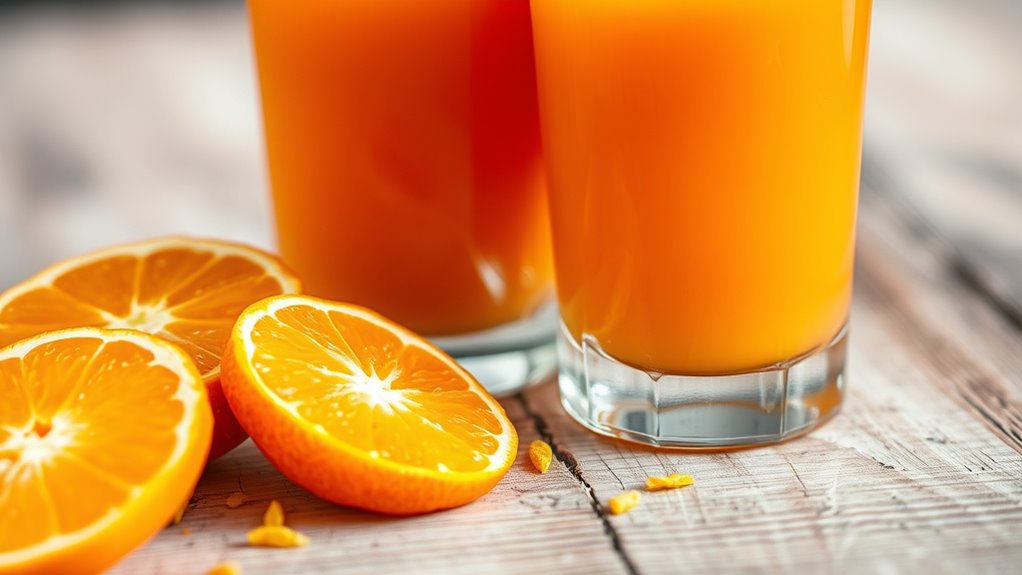
Small citrus juices, such as those made from tiny oranges, mandarins, and kumquats, pack a powerful punch of flavor despite their compact size. When you press these fruits for juice, you unlock a vibrant burst of citrus flavor profiles that are both refreshing and complex. The key to capturing their full aroma and taste lies in understanding juice extraction techniques. Different methods can influence the intensity, clarity, and freshness of the juice, so choosing the right approach makes a notable difference.
Small citrus fruits deliver bold, complex flavors; extraction techniques unlock their full aromatic potential for fresh, vibrant juices.
If you’re aiming for maximum flavor, manual hand-pressing or using a citrus reamer is often your best bet. These techniques allow you to control pressure precisely, squeezing out every drop of juice while preserving the delicate oils and aromas from the fruit’s peel and pulp. The citrus flavor profiles in mandarins and tangerines are typically sweet, with subtle hints of floral and tart notes, making them ideal for fresh-squeezed drinks. Kumquats, on the other hand, offer a unique combination of sweet and tart, with a slightly bitter undertone, adding complexity to your juice.
Modern juice extraction techniques, like cold-pressing or using a commercial juicer, can also be effective, especially if you’re preparing larger quantities. Cold-pressing helps maintain the natural enzymes and vibrant flavors, resulting in a juice that’s fresher and more aromatic. When you use a high-quality juicer, you minimize oxidation and heat, which can dull the citrus flavor profiles. This approach guarantees that your small citrus juices retain their lively aroma, making them more appealing and flavorful.
Another aspect to consider is the fruit’s ripeness and handling. Juicing ripe mandarins and tangerines provides sweeter, more fragrant juice, while slightly underripe fruits can lend a sharper, more tangy profile. You should also pay attention to how you prepare the fruit—peeling carefully and removing seeds can prevent bitterness and ensure a smoother, more enjoyable sip.
In essence, whether you’re making a quick glass of tangerine juice or a more elaborate mandarin blend, your choice of extraction technique shapes the final product. Small citrus fruits may be tiny, but their flavor profiles are bold and layered. By selecting the right method, you bring out their full aroma and taste, delivering a vibrant, natural refreshment that’s both simple and sophisticated. Additionally, understanding the juice extraction techniques can help you optimize flavor retention and achieve the best possible results.
Products Worth Considering

Instant Pot InstantChill Ice Cream Maker with Rolled Ice Cream Cold Plate, 2-Pint

Ninja Luxe Café Premier 3-in-1 Espresso Machine, Drip Coffee & Cold Brew

De'Longhi Linea Classic Espresso Machine with Adjustable Milk Frother
As an affiliate, we earn on qualifying purchases.
Frequently Asked Questions
Are Tangerine and Mandarine Juices Suitable for All Ages?
Yes, tangerine and mandarine juices are suitable for all ages. You should consider pediatric consumption, as they’re rich in vitamin C and nutrients beneficial for children’s growth. For the elderly, these juices are also suitable, providing antioxidants that support health. However, you should watch out for added sugars or acidity levels, especially if anyone has dental issues or digestive sensitivities. Always serve in moderation and consult a healthcare professional if needed.
How Long Do These Juices Typically Stay Fresh?
You can expect tangerine and mandarine juices to stay fresh for about 7 to 10 days in the fridge. To maximize shelf life, store them in airtight containers and keep them cold. Always check for signs of spoilage, like sour smell or fizz. Proper storage tips help maintain their vibrant aroma and flavor, so you enjoy the juicy burst of citrus each time you sip.
Can These Juices Be Used in Cooking or Baking Recipes?
Yes, you can definitely use tangerine and mandarine juices in cooking applications and baking recipes. Their vibrant flavor enhances dressings, marinades, and desserts like cakes or tarts. You might add juice to glaze poultry or seafood for a citrusy kick. When baking, substitute part of the liquid with juice in recipes like muffins or cookies to infuse a fresh, aromatic citrus flavor that elevates your dishes effortlessly.
Are There Any Health Risks Associated With Consuming Small Citrus Juices?
You should be aware that consuming small citrus juices can carry health risks, symbolizing a delicate balance between nature’s gift and potential danger. Pesticide residues may linger, posing risks if ingested regularly, while allergic reactions could turn your enjoyment into discomfort. Always wash your fruits thoroughly and monitor your body’s responses. Moderation and precaution protect you from hidden hazards, allowing you to savor the bright aroma without worry.
What Are the Best Storage Methods to Preserve Flavor and Aroma?
To preserve flavor and aroma, you should store your citrus juices in an airtight container in the refrigerator. Keep them at a consistent, cold temperature to guarantee ideal storage and aroma preservation. Avoid exposure to light and air, as they can degrade the juice’s aroma and flavor over time. For the best taste, consume the juice within a few days, and always shake gently before serving to mix any settled oils.
Conclusion
Now that you know the delightful differences between tangerine and mandarine juices, you’re all set to enjoy their vibrant flavors. Remember, variety is the spice of life, so don’t hesitate to explore both for a burst of citrusy freshness. Whether you prefer the sweeter mandarine or the more aromatic tangerine, each sip promises a small citrus miracle. So, go ahead—grab a glass and savor the zest of these tiny but mighty fruits!