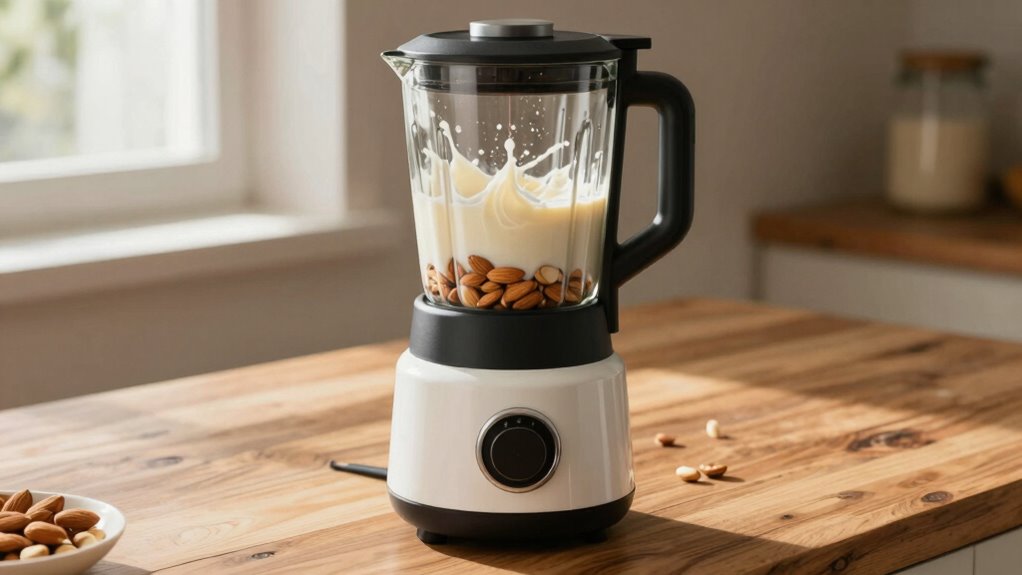
To make creamy nut milk in a blender, soak your nuts—like almonds or cashews—for 8 to 12 hours to soften and remove enzyme inhibitors. Drain and blend them with 3-4 cups of water per cup of nuts until smooth. Strain the mixture using a nut milk bag or cheesecloth to separate the liquid from the pulp. Want to learn tips for perfect flavor and storage? Keep exploring—there’s more to perfecting your homemade nut milk.

Get kitchen staples and gadgets delivered free with Prime
- Fast, free delivery on millions of items
- Prime Video, Amazon Music and more included
- Member-only deals all year
Key Takeaways
- Soak nuts for 8-12 hours to soften and enhance digestibility before blending.
- Use a ratio of 1 cup nuts to 3-4 cups water for a creamy, smooth texture.
- Blend soaked nuts on high until fully broken down, then strain through a nut milk bag or cheesecloth.
- Adjust water and sweeteners to customize thickness and flavor of your nut milk.
- Store the strained milk in an airtight container in the fridge for up to four days.
Making nut milk at home is simpler than you might think, especially when you have a blender. With just a few straightforward steps, you can create fresh, creamy nut milk that’s free from preservatives and additives. The beauty of this process lies in its flexibility; you can customize the flavors, sweetness, and thickness to suit your taste. Plus, nut milk is a popular dairy alternative, offering a nutritious, plant-based option for those who are lactose intolerant or prefer a vegan lifestyle. Among the various nut options, almonds stand out for their incredible versatility, making almond milk one of the most common and accessible choices for homemade nut milk.
Almond milk’s versatility means you can use it in everything from cereal and coffee to smoothies and baking recipes. It’s a mild, nutty flavor that blends seamlessly into many dishes, and it’s naturally low in calories while providing healthy fats, vitamin E, and antioxidants. Once you’ve soaked the almonds, you’ll find that the process becomes even easier. Soaking softens the nuts, making them easier to blend into a smooth, silky liquid. It also helps remove enzyme inhibitors and tannins, which can interfere with digestion. Soaking time can vary from 8 to 12 hours, depending on your schedule, but it’s well worth the effort for a creamier, more digestible milk.
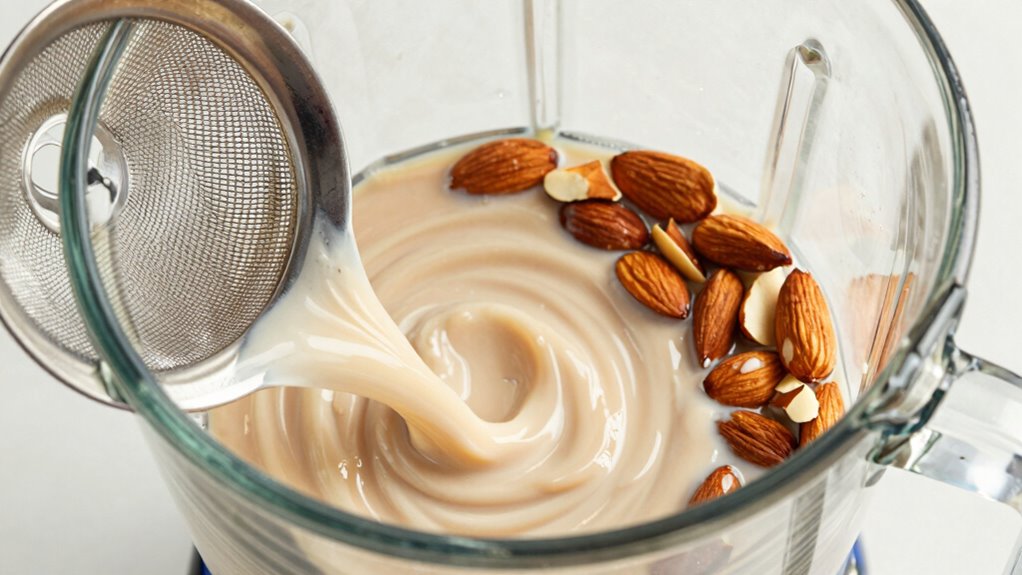
To make your nut milk, drain the soaked nuts and add them to your blender with fresh water. The ratio is typically about 1 cup of nuts to 3 to 4 cups of water, but feel free to adjust based on how rich or thin you prefer your milk. Blend on high until the nuts are completely broken down and the mixture is smooth. Then, pour the mixture through a nut milk bag, fine mesh strainer, or cheesecloth to strain out the pulp. The leftover pulp can be saved and used in baking or smoothies, reducing waste and adding fiber to your diet.
The process is quick, and the results are rewarding. Not only do you get fresh, preservative-free nut milk, but you also gain control over the ingredients. You can sweeten it naturally with dates, honey, or maple syrup, and flavor it with vanilla or cocoa for added variety. Once strained, store your homemade nut milk in an airtight container in the fridge for up to four days. Making nut milk at home empowers you to enjoy a wholesome, dairy-free alternative that’s customizable, cost-effective, and more eco-friendly than store-bought versions.
nut milk bag for homemade almond milk
As an affiliate, we earn on qualifying purchases.
As an affiliate, we earn on qualifying purchases.
Frequently Asked Questions
Can I Make Nut Milk Without Soaking the Nuts First?
You can make nut milk without soaking the nuts first, but soaking offers benefits like improved blendability and better flavor. It also helps neutralize enzyme inhibitors and reduces phytic acid, making nutrients more accessible. Without soaking, your nut milk might have a grittier texture and shorter shelf life due to residual enzymes. For the creamiest, freshest result and extended shelf life, soaking is highly recommended.
How Long Does Homemade Nut Milk Last in the Fridge?
Homemade nut milk typically lasts 3 to 5 days in the fridge. You should check for spoilage signs like sour smell, off taste, or separation that doesn’t blend back together. To extend its freshness, store it in a sealed container and keep it cold. If you notice any spoilage signs before 3 days, it’s best to discard it to avoid health risks.
Can I Use a High-Speed Blender for Better Results?
Yes, using a high-speed blender improves your nut milk results. With greater blender power, you’ll achieve smoother, creamier milk faster. Your blending techniques matter too—start on a low setting, gradually increase speed, and blend longer to break down nuts thoroughly. A high-speed blender handles tougher nuts and small bits better, giving you a more consistent, silky texture. So, investing in one really elevates your homemade nut milk game.
Is It Necessary to Strain the Nut Milk Every Time?
Do you really need to strain your nut milk every time? Think of it as sculpting a masterpiece—straining smooths out the rough edges, giving you a creamy nut milk texture. While straining alternatives like cheesecloth or nut milk bags work well, skipping it might leave you with a gritty, less refined drink. For silky results, it’s best to strain, especially if you prefer a smooth, luxurious texture every time.
Can I Add Flavorings Before Blending the Nuts?
Yes, you can add flavorings before blending the nuts. Incorporate flavoring options like vanilla extract, cinnamon, or cocoa powder directly into your blender along with the nuts and water. Use blending techniques such as starting on low and gradually increasing speed to evenly distribute the flavorings. This method guarantees a smooth, flavorful nut milk, saving you time and enhancing taste without extra steps after blending.
Conclusion
Now that you’ve mastered the soak-and-strain method, making nut milk becomes a breeze. With your blender as your trusty partner, you’ll turn simple nuts into creamy, velvety goodness in no time. Think of it as painting with flavor, blending rich textures into a smooth masterpiece. So go ahead, experiment with different nuts and flavors—your kitchen’s new favorite dairy-free delight is just a blend away, ready to brighten your day with every sip.
Halloween Picks
halloween
As an affiliate, we earn on qualifying purchases.