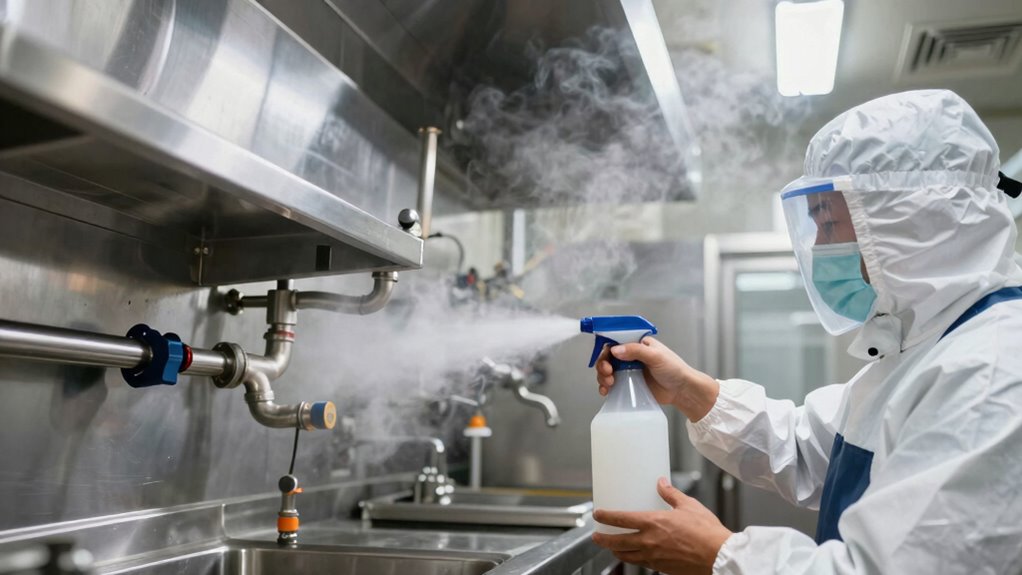

Rushing through CIP can seem like a time-saver, but it often leads to incomplete cleaning, leaving residues and microbial risks that compromise product safety. Skipping steps or shortening contact times may seem efficient, but they can cause costly re-cleanings, product recalls, and contamination issues. To truly keep your equipment safe and compliant, it’s essential to follow each step carefully. If you want to avoid these pitfalls, there’s more you should know about proper CIP practices.

Get kitchen staples and gadgets delivered free with Prime
- Fast, free delivery on millions of items
- Prime Video, Amazon Music and more included
- Member-only deals all year
Key Takeaways
- Rushing CIP steps like pre-rinsing or contact time can leave residues and biofilms, risking contamination.
- Proper adherence to cleaning protocols ensures effective sanitation and prevents costly re-cleaning or product recalls.
- Skipping or rushing critical steps compromises equipment cleanliness and product safety.
- Regular maintenance and validation of CIP systems are essential for consistent, thorough cleaning.
- Automated CIP processes help maintain hygiene standards and reduce errors caused by rushing manual steps.
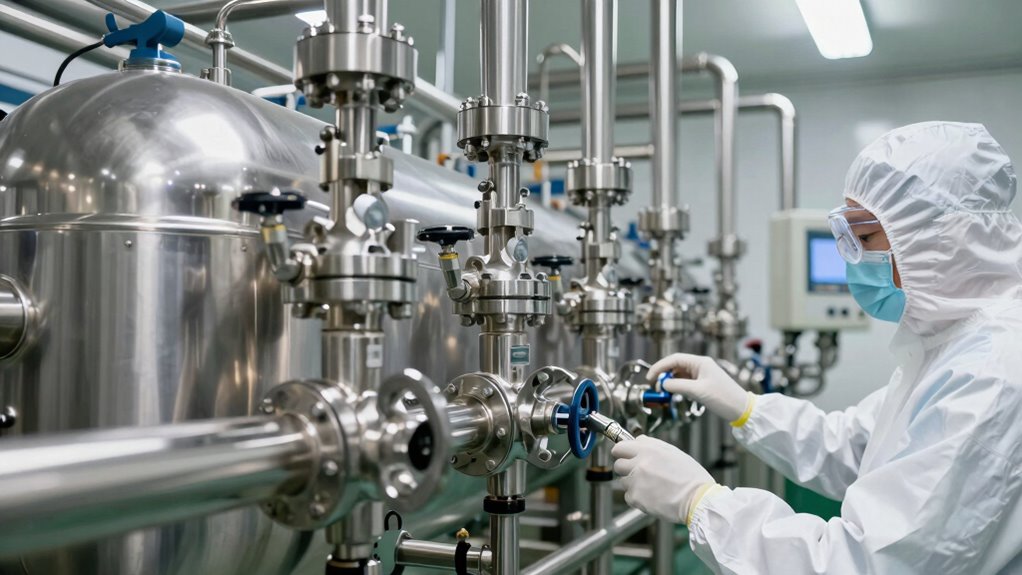
Cleaning in Place (CIP) is a streamlined process that allows you to clean equipment and pipelines without disassembly. This method relies heavily on automated cleaning systems designed to save time and reduce manual labor. When you implement automated cleaning, you guarantee that sanitation protocols are consistently followed, reducing the risk of contamination and ensuring product safety. Properly executed CIP can be highly efficient, but rushing through the process often leads to poor cleaning outcomes and potential quality issues.
Effective CIP ensures consistent sanitation, safety, and efficiency without disassembly or manual labor.
The core of effective CIP is understanding and adhering to sanitation protocols. These protocols specify the cleaning agents, temperatures, flow rates, and contact times necessary to achieve thorough sanitation. If you skip or rush through these steps, residues and microbial contaminants can remain, posing risks to product integrity and safety. Automated cleaning systems are programmed to follow these protocols precisely, but it’s your responsibility to verify that the system is functioning correctly. Regular validation and monitoring are essential to confirm that sanitation standards are met every time.
When you rush through CIP, you may be tempted to cut corners, but this usually results in incomplete cleaning. For example, neglecting to properly pre-rinse or failing to follow the recommended detergent and sanitizing agent contact times can leave behind biofilms and residues that are difficult to remove later. Automated cleaning systems are designed to optimize contact times and ensure rinsing is thorough, but only if you allow the process to run its full cycle. Interrupting or shortening cycles might seem like saving time, but it often leads to longer downtime caused by re-cleaning and potential product recalls.
To maximize the benefits of CIP, you need to maintain your equipment and validate your cleaning procedures regularly. Guaranteeing that spray nozzles are unobstructed, sensors are calibrated, and flow rates are accurate is vital for uniform cleaning. When you trust the automation and stick to established sanitation protocols, you reduce the chances of human error. This consistency not only improves hygiene but also enhances overall efficiency.
As an affiliate, we earn on qualifying purchases.
Frequently Asked Questions
How Long Should Each CIP Cycle Ideally Last?
You should aim for each CIP cycle to last between 20 to 40 minutes, depending on your system’s complexity and contamination level. Proper cleaning duration guarantees ideal cycle efficiency, preventing rush jobs that can leave residues. Rushing through cleaning can compromise hygiene, so always allocate enough time for thorough cleaning. Regularly review your cycle times and adjust as needed to maintain cleanliness without unnecessary delays.
What Are Common Signs of Incomplete Cleaning in CIP?
You’ll notice signs of incomplete cleaning in CIP through residue buildup on surfaces and persistent odors, which can lead to microbial contamination. If you see stubborn deposits or unusual smells after a cycle, it indicates the cleaning wasn’t thorough. Regularly inspecting equipment, monitoring rinse water, and checking for visual cleanliness help catch these issues early, ensuring proper sanitation and reducing the risk of contamination.
Can CIP Be Automated Completely or Does It Require Manual Oversight?
You can automate CIP processes, but complete automation faces challenges like equipment variability and complex cleaning requirements. While automation reduces manual oversight, it still needs periodic monitoring to guarantee effectiveness. Automation challenges include detecting biofilms or residue buildup, which might require manual intervention. Consequently, even with advanced systems, manual oversight remains essential to verify cleaning quality, troubleshoot issues, and ensure compliance with safety standards.
How Often Should CIP Systems Be Inspected or Maintained?
You should inspect and maintain your CIP system regularly, typically following a defined maintenance schedule based on manufacturer guidelines and usage. Inspection frequency varies depending on your equipment’s complexity and operational demands, but generally, weekly or monthly checks are recommended. Regular inspections ensure peak performance, prevent breakdowns, and maintain hygiene standards. Adjust your maintenance schedules as needed, and always document inspections to track system health and compliance.
What Are the Environmental Impacts of CIP Chemicals?
Imagine rivers tainted by chemical runoff, harming wildlife and risking your health. CIP chemicals can negatively impact the environment through excess water usage and runoff containing residues. These chemicals may seep into soil and waterways, disrupting ecosystems and contaminating drinking water sources. To protect these essential resources, you should use eco-friendly cleaning agents, optimize water use, and guarantee proper disposal, reducing your environmental footprint and safeguarding nature’s delicate balance.
Conclusion
As you rush through CIP steps, you might think you’re saving time, but that quick decision often leads to regrets and overlooked spots. It’s funny how a moment of haste can turn into a cleaning headache later, like spilling coffee right before a meeting. Next time, slow down and follow each step carefully. You’ll find that proper cleaning not only saves you time in the long run but also keeps your equipment running smoothly—sometimes, the smallest detail makes all the difference.
Columbus Day / Indigenous Peoples' Day Picks
long weekend sales
As an affiliate, we earn on qualifying purchases.