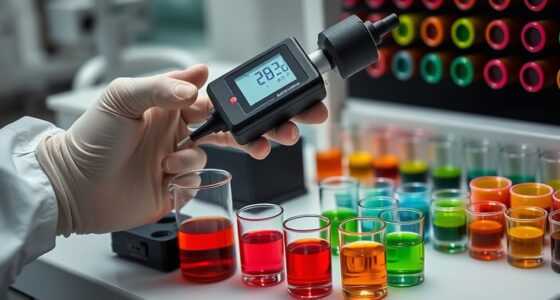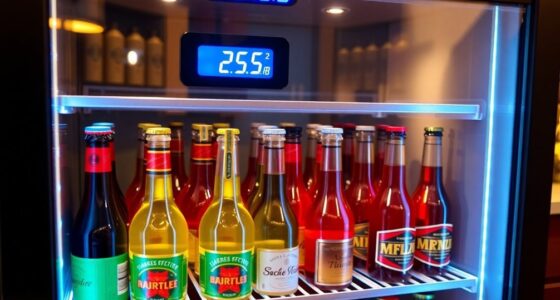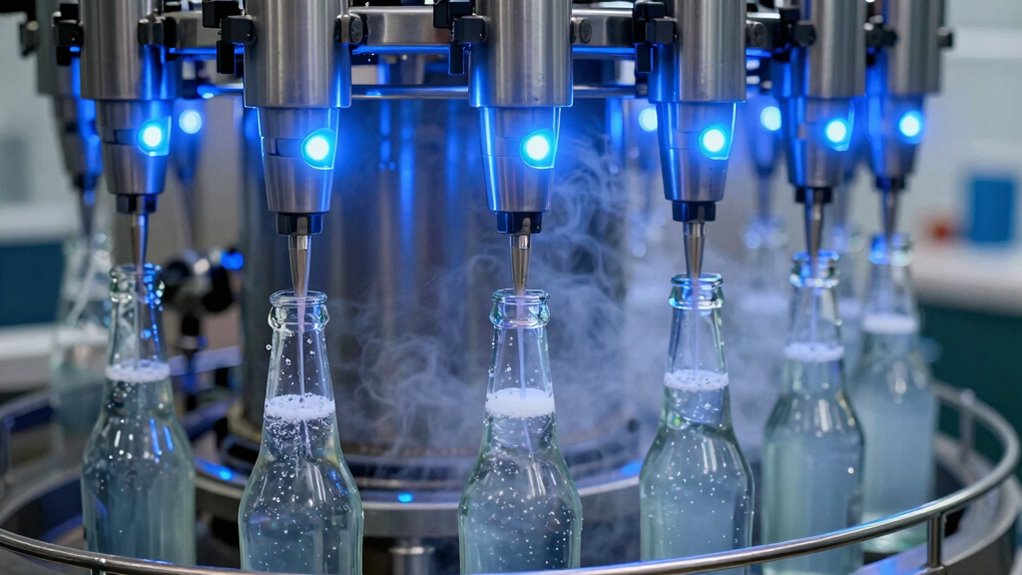

To prevent fermentation during hot-fill bottling, you need to maintain a precise temperature window, typically between 85°C and 95°C, depending on the beverage. Heating the product enough to kill microbes but not so high that it damages packaging is vital. After filling, rapid cooling helps preserve sterility. If you keep diligent control over these temperatures, you’ll avoid spoilage and fermentation risks. Continue to explore how proper packaging materials and process monitoring support this essential temperature range.

Get kitchen staples and gadgets delivered free with Prime
- Fast, free delivery on millions of items
- Prime Video, Amazon Music and more included
- Member-only deals all year
Key Takeaways
- Maintaining the correct temperature window during hot-fill ensures microbial inactivation and product sterility.
- Precise temperature control prevents fermentation risks caused by residual sugars or microorganisms.
- Proper sealing requires packaging materials that withstand the heat within the critical temperature range.
- Deviating from the optimal temperature window can lead to packaging deformation and contamination.
- Real-time monitoring systems help ensure the product stays within the ideal temperature range throughout the process.
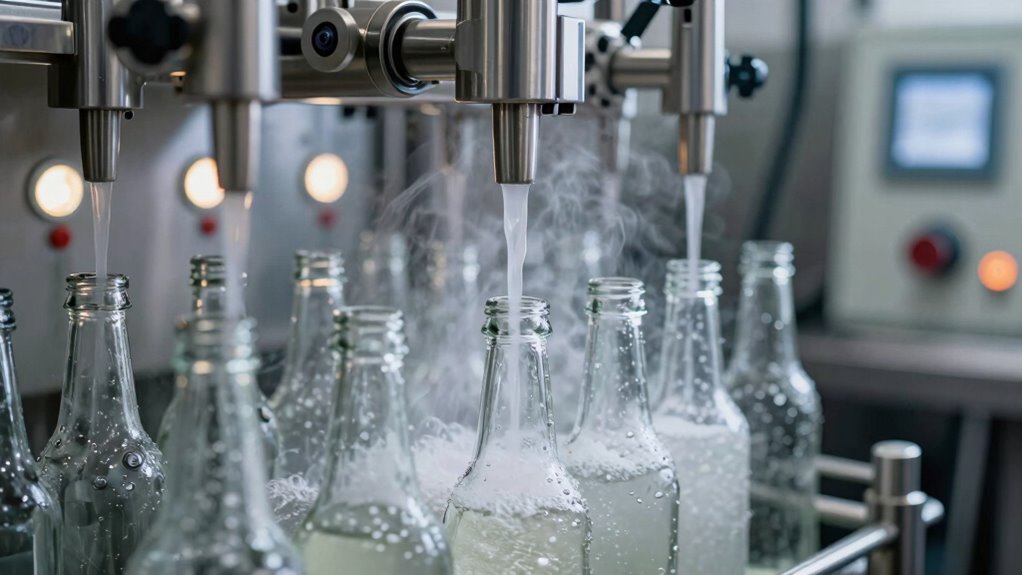
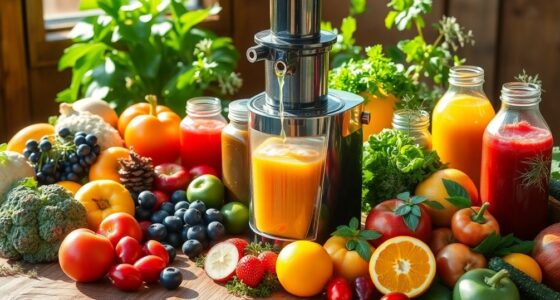
Hot-fill bottling is a widely used method for preserving beverages like juice and tea by sealing them at high temperatures. This process relies on heating the liquid to a specific temperature range to eliminate bacteria and spoilage agents, then quickly sealing it to maintain sterility and freshness. But the success of hot-fill depends heavily on more than just temperature; it also involves precise fermentation control and choosing the right packaging materials.
When you’re managing hot-fill operations, fermentation control becomes critical. Even after heating, the potential for fermentation exists if residual sugars or microorganisms remain. Maintaining strict temperature control during filling and cooling phases prevents unwanted fermentation, which can lead to spoilage, cloudiness, or off-flavors. You need to monitor the process continuously, ensuring the beverage stays within the ideal temperature window to inhibit microbial activity. This control not only preserves product quality but also extends shelf life, making sure your beverages remain fresh for consumers.
Equally important are the packaging materials you select. They must withstand the high temperatures involved in the hot-fill process without deforming or compromising integrity. Generally, heat-resistant plastics like PET or certain types of glass are preferred because they can endure the thermal stress without leaching chemicals into the beverage. The right packaging materials also act as an additional barrier against contamination once sealed, helping to maintain sterilization and extend shelf life. When choosing packaging, consider its thermal stability, impact resistance, and compatibility with your filling equipment. Properly selected materials minimize risks of leaks, breakage, or contamination that could otherwise undermine your product’s safety and quality.
Furthermore, the interaction between fermentation control and packaging materials influences the overall success of your hot-fill process. For instance, if packaging materials are not heat-resistant, they may deform during filling, creating a poor seal that allows microbes or oxygen to enter. This can lead to fermentation or spoilage, defeating the purpose of the high-temperature process. Conversely, using appropriate materials and controlling fermentation parameters ensures that your beverages are sealed tightly, with minimal risk of microbial activity resuming after filling. Additionally, implementing smart monitoring systems can help track temperature and microbial activity in real-time, further safeguarding product quality.
Products Worth Considering

Le Creuset Enamemed Cast Iron Oval Dutch Oven, 5 qt., White/Crucible

Le Creuset Signature 6.5-Quart Deep Round Dutch Oven with Light Gold Crucible Knob, Enameled Cast Iron, Bleu Riviera

De'Longhi Stilosa Compact Manual Espresso Machine with Milk Frother
As an affiliate, we earn on qualifying purchases.
Frequently Asked Questions
How Does Hot-Fill Bottling Impact Beverage Flavor Integrity?
Hot-fill bottling impacts beverage flavor integrity by enhancing flavor preservation and aroma retention. When you use hot-fill methods, the high temperature helps sterilize the product and seals in fresh flavors, preventing spoilage. As a result, your beverage maintains its original aroma and taste longer. Proper temperature control during hot-fill bottling is essential to guarantee these benefits, keeping your product fresh, flavorful, and appealing to consumers.
What Are the Energy Costs Associated With Hot-Fill Processes?
You’ll find that hot-fill processes boost energy consumption due to heating and maintaining liquids at high temperatures. This increased energy use directly impacts your overall cost analysis, making hot-fill more expensive compared to other methods. To manage costs effectively, you should evaluate your energy consumption regularly and look for ways to optimize heating efficiency. This way, you can balance quality assurance with cost-effective operations.
Can Hot-Fill Technology Be Adapted for Carbonated Drinks?
Ever wondered if hot-fill tech works for carbonated drinks? While hot-fill isn’t ideal, you can adapt it by focusing on carbonation preservation and choosing the right packaging material. You’ll need to minimize CO2 escape during filling and select containers that withstand pressure. With these adjustments, hot-fill processes can be tailored for carbonated beverages, but it requires careful control of temperature and packaging to maintain fizz and product quality.
How Does Ambient Temperature Affect Hot-Fill Bottle Stability?
Ambient temperature substantially impacts hot-fill bottle stability by causing temperature fluctuations that lead to container deformation. When temperatures are too high, the bottles may soften or warp, compromising their shape and sealing integrity. Conversely, cooler temperatures help maintain stability, preventing deformation. You should monitor environmental conditions closely, guaranteeing consistent ambient temperatures during filling and cooling processes, to avoid container deformation and ensure product safety and quality.
What Safety Measures Are Necessary During Hot-Fill Bottling?
You need to follow strict sanitation protocols and maintain equipment regularly to guarantee safety during hot-fill bottling. Always sanitize all contact surfaces and bottles before filling to prevent contamination. Keep equipment well-maintained, checking for leaks or corrosion that could compromise safety. Use proper protective gear and handle hot liquids with care. These measures help prevent accidents, ensure product quality, and maintain a safe working environment throughout the bottling process.
Conclusion
Remember, patience is a virtue. When hot-filling bottles, sticking to the right temperature window guarantees your product stays fresh and safe. Ignoring these guidelines could lead to spoilage or compromised quality. By paying close attention to temperature control, you’re investing in the success of your bottling process. As the saying goes, “A stitch in time saves nine”—so don’t cut corners. Follow the proper hot-fill procedures, and you’ll reap the rewards of a superior, long-lasting product.