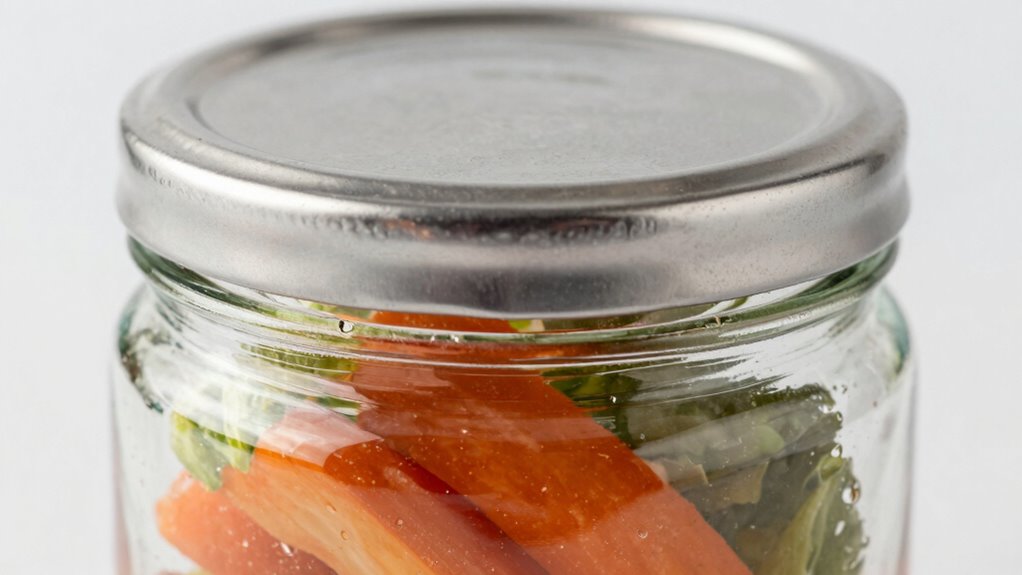

Headspace is the tiny air gap inside containers or bags that plays a vital role in keeping your items fresh and safe. Properly managing this space, especially through vacuum sealing, helps remove excess oxygen that speeds up spoilage and deterioration. By minimizing headspace, you reduce exposure to air that can cause mold, bacteria, and oxidation. Keeping this gap just right guarantees your food, electronics, or documents stay in top shape longer—discover how simple adjustments can make a big difference.

Get kitchen staples and gadgets delivered free with Prime
- Fast, free delivery on millions of items
- Prime Video, Amazon Music and more included
- Member-only deals all year
Key Takeaways
- Proper headspace ensures optimal preservation by controlling the tiny air gap inside containers or bags.
- Vacuum sealing effectively removes excess air, reducing oxygen exposure that causes spoilage.
- Managing headspace prevents mold, bacteria growth, and oxidation, extending product safety and freshness.
- Overfilling or underfilling can compromise seals, making proper headspace essential for safety.
- Maintaining minimal but sufficient headspace enhances seal integrity and prolongs storage life.
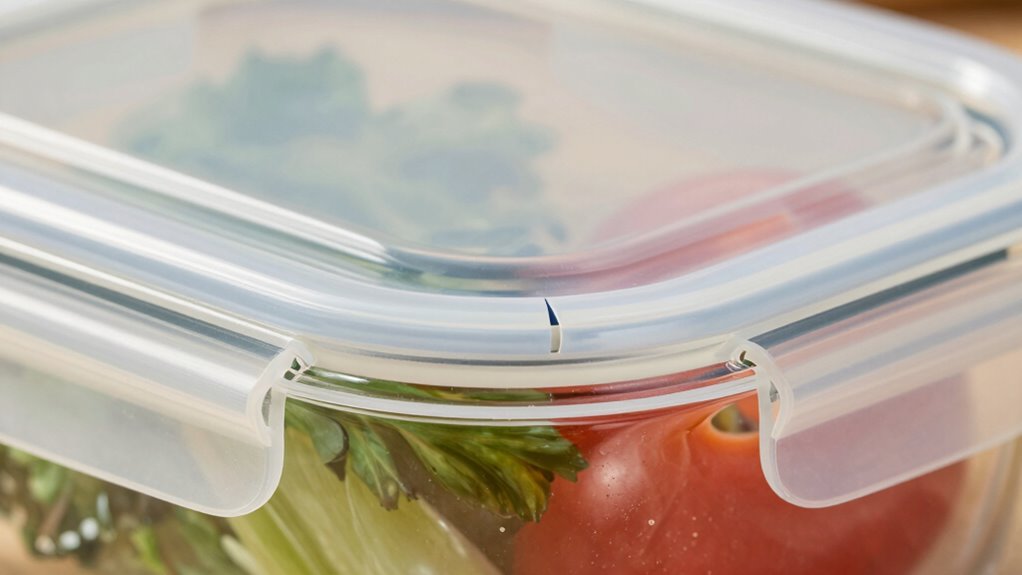
Have you ever wondered how to find calm amid a busy day? It’s all about creating small but effective routines that keep your environment controlled and your mind at ease. One key area that often goes unnoticed is the tiny gap inside containers or storage bags—what’s called the headspace. That little space of air left above your food or important items can make a big difference in maintaining freshness and safety. When you vacuum seal your food or valuables, you’re actively controlling this space, reducing oxygen exposure, and preventing spoilage. It’s surprisingly simple but incredibly effective. Proper air management is essential in optimizing the benefits of vacuum sealing and ensuring your items stay fresh longer.
Oxygen exposure is one of the main culprits behind food spoilage and deterioration. When air, especially oxygen, gets trapped in the tiny gap of a sealed bag or container, it provides the perfect environment for bacteria, mold, and oxidation to thrive. This process speeds up the degradation of your food, affecting taste, texture, and safety. That’s why vacuum sealing is so important—by removing excess air, you minimize oxygen exposure and extend the freshness of your items. The key is to eliminate as much air as possible while ensuring the headspace is minimal. This isn’t just about preserving food; it’s about maintaining quality and safety for as long as possible.
The concept of headspace isn’t limited to food storage. It also plays a role in storing other sensitive items like electronics, documents, or even certain medications. In these cases, controlling the tiny air gap helps prevent corrosion, mold, or other forms of damage caused by moisture and oxygen. When vacuum sealing, it’s essential to leave just enough space to allow the bag to be compressed properly without causing rupture or creating an air pocket that could compromise the seal. Overfilling or leaving too much headspace can lead to ineffective sealing or, worse, spoilage.
vacuum sealer bags with adjustable headspace
As an affiliate, we earn on qualifying purchases.
As an affiliate, we earn on qualifying purchases.
Frequently Asked Questions
How Does Headspace Differ Between Various Packaging Types?
You’ll notice that headspace varies between packaging types because of different container designs and packaging variations. For example, bottles with a wider opening often have more headspace to allow for expansion or movement, while sealed cans have minimal headspace for ideal freshness. Your goal is to guarantee the container design accommodates these differences, maintaining proper headspace to keep the product fresh and safe without risking spoilage or leakage.
What Are the Signs of Compromised Headspace in a Sealed Container?
If you notice vacuum leaks or container deformation, your headspace is likely compromised. These signs indicate that the sealed environment has been disturbed, risking spoilage and safety. You might see air bubbles, swelling, or a loose lid, which suggest the headspace has been lost or contaminated. Always check for these visual cues to guarantee your product remains fresh and safe, and avoid consuming products with compromised headspace.
Can Headspace Affect the Potency of Pharmaceutical Products?
Imagine a tiny bubble within your medication container, silently influencing its effectiveness. Headspace affects the potency of pharmaceutical products by impacting storage stability; increased gas or moisture can accelerate degradation mechanisms. When headspace isn’t properly managed, active ingredients may break down faster, reducing efficacy. Ensuring the right headspace minimizes this risk, keeping your medication potent and safe for use over time.
How Is Headspace Measured Accurately During Manufacturing?
You measure headspace accurately during manufacturing by using techniques like vacuum sealing and nitrogen flushing. These methods help you control and minimize the gap, ensuring consistency. With vacuum sealing, you remove excess air to reduce headspace, while nitrogen flushing replaces oxygen, maintaining product integrity. You can also employ precise instruments like gas analyzers or pressure sensors to monitor and adjust headspace in real-time, ensuring product safety and potency.
What Are the Best Practices for Maintaining Optimal Headspace Over Time?
To maintain ideal headspace over time, you should regularly check vacuum sealing integrity and oxygen levels. Confirm your vacuum seal remains airtight to prevent oxygen infiltration, which can compromise freshness. Store containers in cool, dark environments to slow oxygen exposure. Use oxygen sensors periodically to monitor internal levels, and reseal or replace packaging if oxygen levels rise. Consistent monitoring and proper sealing are key to preserving freshness and safety.
Conclusion
Think of headspace like the air in a sealed treasure chest. Too little, and the contents get crushed and spoil quickly; too much, and they risk losing their sparkle or even breaking free. Maintaining just the right gap ensures your treasures—your food and medicines—stay fresh and safe, ready for your next adventure. So, treat headspace like your secret potion’s breath—perfectly measured for maximum freshness and safety.
NFL season / tailgating Picks
team gear
As an affiliate, we earn on qualifying purchases.