Many brands skip induction sealing, even though it’s a vital tamper-proof step that guarantees product safety and freshness. This process uses an electromagnetic field to activate foil liners inside caps, creating an airtight, tamper-evident seal. It acts as a barrier against contamination and tampering, boosting consumer confidence. Incorporating induction sealing also supports regulatory compliance and environmental goals. Keep exploring to discover how this simple addition can make your packaging markedly more secure and trustworthy.
Key Takeaways
- Many brands skip induction sealing, risking tampering and contamination of products.
- Induction sealing provides an essential tamper-evident barrier most brands overlook.
- Omitting induction sealing can compromise product safety and consumer trust.
- Brands often neglect this step to save costs, but it weakens packaging security.
- Incorporating induction sealing enhances safety, compliance, and brand credibility.
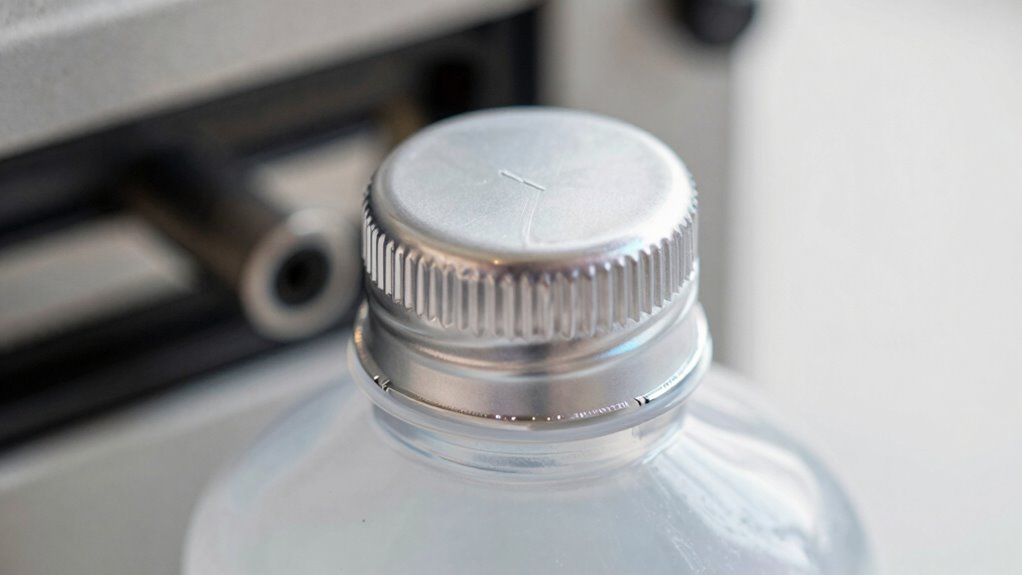
Induction sealing is an efficient and dependable method used to securely close containers with a tight, tamper-evident cap. This sealing process involves applying a foil liner inside the cap or closure, which is then activated by an electromagnetic field to create an airtight seal. This step not only helps preserve product freshness but also acts as a crucial barrier against contamination and tampering. As a brand owner or manufacturer, you might overlook this step, but it’s essential for guaranteeing consumer safety and maintaining product integrity.
One significant advantage of induction sealing is its compatibility with child resistant packaging. When you incorporate child-resistant features into your packaging, you’re protecting vulnerable populations from accidental ingestion of hazardous substances. Combining child resistant packaging with induction sealing creates a double-layered defense: the seal discourages tampering and provides an additional safety barrier, making it harder for children to access the product. This is particularly critical for pharmaceuticals, chemicals, or other sensitive items, where safety and compliance are paramount.
Child-resistant packaging combined with induction sealing enhances safety and tamper resistance for sensitive products.
Moreover, induction sealing aligns with current environmental concerns by supporting the use of eco-friendly materials. You can choose foil liners and seals made from recyclable, biodegradable, or compostable materials, reducing your brand’s carbon footprint. This not only appeals to environmentally conscious consumers but also demonstrates your commitment to sustainability. When you select eco-friendly materials for your induction seals, you help minimize waste and promote responsible consumption, which is increasingly influencing purchasing decisions.
In addition, induction sealing enhances the overall security of your packaging, reducing the risk of product tampering and counterfeiting. This is especially important in industries like food, beverage, and pharmaceuticals, where trust is critical. By investing in proper sealing technology, you ensure that your product reaches consumers in superior condition, maintaining quality and safety. It also streamlines your supply chain, as sealed containers are easier to handle, transport, and store without risking spills or contamination.
Furthermore, using vetted sealing solutions can improve regulatory compliance and bolster consumer confidence in your brand.

FunSealer Induction Heat Sealer, Bottle Cap Sealing Machine For Plastic Glass Bottle Cap 110v
Suitable for: Plastic bottle, glass bottle and other non-metallic packaging containers of aluminum foil composite film (induction film)…
As an affiliate, we earn on qualifying purchases.
As an affiliate, we earn on qualifying purchases.
Frequently Asked Questions
How Long Does Induction Sealing Typically Last?
Induction sealing typically lasts for the entire shelf life of your product, with seal durability and sealing longevity often exceeding several months to a year, depending on storage conditions. You can expect a well-applied seal to stay intact if stored properly in a cool, dry place. Properly maintained seals resist tampering and contamination, ensuring your product remains fresh and secure until opened.
Can Induction Sealing Be Applied to All Bottle Materials?
You can apply induction sealing to many bottle materials, but material compatibility varies. For example, it’s highly versatile with plastic, glass, and certain metals, offering excellent sealing versatility. However, some plastics like polypropylene may require specific sealing parameters. To guarantee a proper seal, check the material compatibility of your bottles before choosing induction sealing. This way, you guarantee an effective, tamper-proof closure tailored to your packaging needs.
Is Induction Sealing Environmentally Friendly?
Yes, induction sealing can be eco-friendly, but it depends on your approach. It helps reduce recycling challenges by creating tamper-proof seals that prevent leaks and contamination, extending product shelf life. However, some sealing materials pose recycling issues, so choosing eco-friendly alternatives like biodegradable or recyclable liners is essential. By selecting sustainable options and optimizing sealing processes, you can minimize environmental impact and make your packaging more environmentally responsible.
What Are Common Issues Faced During Induction Sealing?
You might face issues like compromised seal integrity or equipment breakdowns during induction sealing. These problems can seem like catastrophic failures, disrupting your entire production line. Common challenges include inconsistent sealing due to uneven heat distribution, debris causing poor contact, and neglecting regular equipment maintenance. Addressing these issues promptly guarantees your seals stay tamper-proof and your equipment runs smoothly, preventing costly downtime and preserving your brand’s reputation.
How Does Induction Sealing Impact Product Shelf Life?
Induction sealing enhances your product’s shelf life by providing sealing durability, which prevents leaks and contamination. It also guarantees material compatibility, so the seal works effectively with your packaging materials, maintaining freshness. Proper sealing reduces air exposure and spoilage, keeping products fresh longer. By choosing the right materials and ensuring a strong seal, you improve shelf stability, which benefits both your consumers and your brand’s reputation.

210 Tamper Proof Stickers, Tamper Evident Stickers. Genuine Original Holographic Security Seal, Tamper Resistant Hologram Foil Tape Feature with Serial Numbers. Strong Adhesive. (210 Stickers)
As an affiliate, we earn on qualifying purchases.
As an affiliate, we earn on qualifying purchases.
Conclusion
So, next time you’re tempted to skip induction sealing, remember you’re basically inviting trouble dressed as convenience. Sure, it’s an extra step, but it’s also the only thing standing between your product and a world of tampering chaos. Why risk your brand’s reputation for a quick fix? Skip it if you want, but don’t be surprised when your customers start playing “Guess What’s Inside” with every bottle. Stay sealed, stay sane.
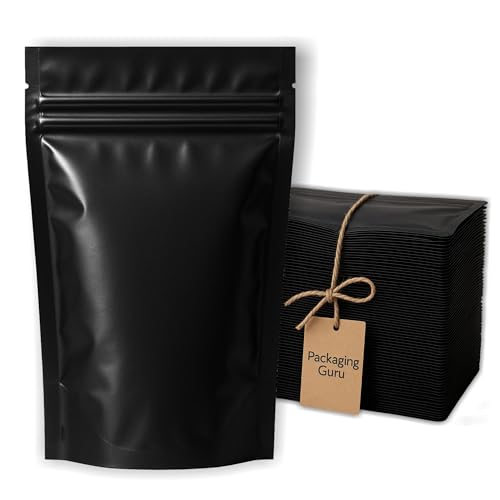
PACKAGING GURU 100 Pack Matte Black Child Resistant Mylar Bags 3 x 7 Inch Stand Up Pouches, Resealable Ziplock, Heat Sealable Food Storage Bags, Odor Barrier Airtight Moisture Proof Packaging
✔️ 𝐂𝐇𝐈𝐋𝐃 𝐑𝐄𝐒𝐈𝐒𝐓𝐀𝐍𝐓 𝐙𝐈𝐏𝐏𝐄𝐑 𝐅𝐎𝐑 𝐀𝐃𝐃𝐄𝐃 𝐒𝐀𝐅𝐄𝐓𝐘 Designed with a child-resistant zipper , these stand up pouches require…
As an affiliate, we earn on qualifying purchases.
As an affiliate, we earn on qualifying purchases.

NEWTRY Induction Bottle Cap Sealer 10-50mm Handheld Heat Sealing Machine with Counting Function for Plastic Glass Bottles of Flat and Pointed Cap (110V)
【Compact & Versatile Design】Size: 13.6"x6.5"x6.5" (345x165x165mm) | Weight: 7.7lb/3.5kg | Sealing Range: 10-50mm (1"-1.97") | This versatile induction…
As an affiliate, we earn on qualifying purchases.
As an affiliate, we earn on qualifying purchases.