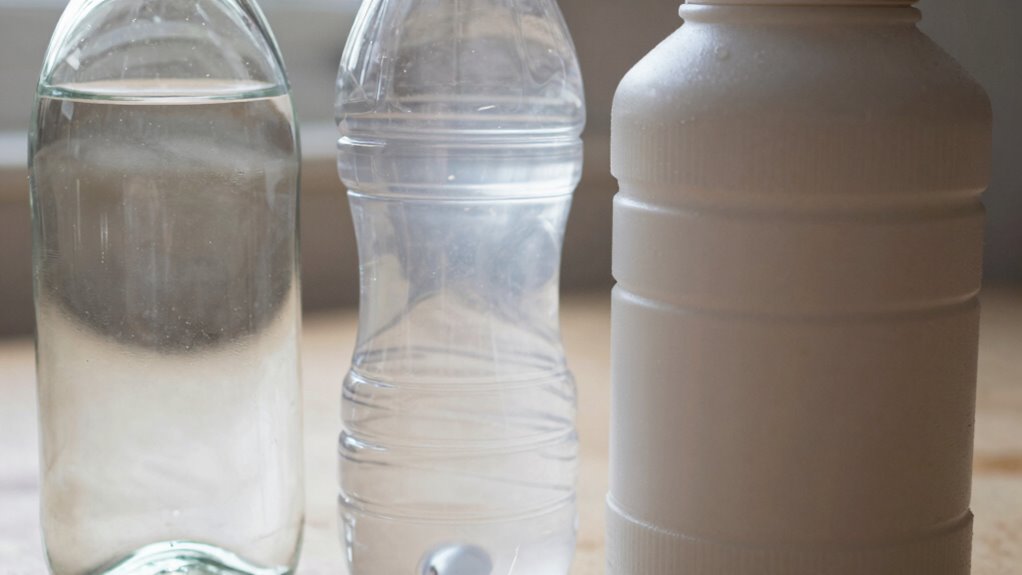
When comparing glass, PET, and HDPE, you’ll find that glass is best at preserving the true taste of your products, as it’s non-reactive and doesn’t impart flavors. PET and HDPE can sometimes alter or absorb flavors, especially if the material isn’t of high quality or used over time. Your choice affects taste, freshness, and overall quality—discover the factors behind these differences and how each material impacts your experience by exploring further.
Key Takeaways
- Glass is inert and non-reactive, preserving the original taste of beverages better than PET or HDPE.
- PET and HDPE plastics may leach chemicals over time, potentially altering flavor profiles.
- Glass’s impermeability ensures minimal interaction with contents, maintaining freshness and taste.
- Plastic packaging like PET and HDPE can absorb or impart flavors, especially when exposed to heat or light.
- Material transparency in glass allows consumers to assess product quality, influencing perceived taste freshness.
Have you ever wondered what makes certain packaging materials stand out? When choosing between glass, PET, and HDPE, understanding their environmental impact and cost efficiency can help you make smarter decisions. These factors not only influence your budget but also your product’s sustainability and consumer appeal. For example, the recyclability of materials varies widely and can significantly impact the overall environmental footprint of your packaging choices. Glass is often praised for its environmental benefits. It’s 100% recyclable and can be reused endlessly without losing quality. This means less waste in landfills and a lower overall environmental footprint, especially if the recycling process is efficient in your area. However, glass isn’t without drawbacks. Its production consumes substantial energy, contributing to greenhouse gas emissions. It’s also heavier and more fragile, which increases transportation costs and the risk of breakage. These factors can make glass less cost-efficient, particularly for large-scale operations or products that require frequent shipping. Still, if your priority is sustainability and reducing waste, glass offers a compelling solution, especially when recycled properly and reused.
![Flip Top Glass Bottle [1 Liter / 33 fl. oz.] [Pack of 6] – Swing Brewing with Stopper for Beverages, Oil, Vinegar, Kombucha, Beer, Water, Soda, Kefir Airtight Lid & Leak Proof Cap Clear](https://m.media-amazon.com/images/I/41yPSNh3MEL._SL500_.jpg)
Flip Top Glass Bottle [1 Liter / 33 fl. oz.] [Pack of 6] – Swing Brewing with Stopper for Beverages, Oil, Vinegar, Kombucha, Beer, Water, Soda, Kefir Airtight Lid & Leak Proof Cap Clear
- Durable Glass Construction: Thick, impact-resistant glass for longevity
- Corrosion-Resistant Cap: Stainless steel wire cap for durability
- Leakproof Airtight Seal: Resealable cap keeps contents fresh
As an affiliate, we earn on qualifying purchases.
As an affiliate, we earn on qualifying purchases.
Frequently Asked Questions
How Do Packaging Materials Affect Beverage Carbonation Levels?
Your packaging material directly influences beverage carbonation levels by affecting carbonation retention. Glass offers low permeability, helping retain carbonation longer, while PET has moderate permeability, leading to some carbonation loss over time. HDPE typically has higher permeability, which can cause quicker carbonation escape. Choose your packaging carefully, as material permeability plays a vital role in maintaining the desired fizz and freshness of your beverage.
Are Some Materials More Eco-Friendly Than Others?
Think of packaging materials as the Earth’s heartbeat. Glass shines with its high recyclability, offering recycling advantages that make it a sustainable choice. PET and HDPE, while lightweight, have varying recycling benefits—some can be repurposed multiple times, others less so. You can choose eco-friendly options by considering material recyclability, reducing waste, and supporting a healthier planet—each decision echoing your commitment to sustainability.
Do Packaging Materials Influence the Nutritional Quality of Drinks?
Packaging materials can influence the nutritional quality of your drinks by affecting packaging durability and material transparency. Durable materials like glass protect contents from light and air, preserving nutrients better. Transparent packaging allows you to see the product’s freshness, encouraging consumption before spoilage. By choosing packaging with the right durability and transparency, you help maintain the drink’s nutritional value, ensuring you get the most health benefits from what you consume.
Which Materials Are Safest for Long-Term Storage?
You should choose materials like glass for long-term storage because they offer better food safety and minimize chemical leaching. Glass is inert and doesn’t react with your drinks, ensuring they stay pure over time. PET and HDPE are generally safe but can leach chemicals with prolonged storage or exposure to heat. For the safest option, go with glass, especially for storing beverages long-term to maintain quality and safety.
How Do Packaging Choices Impact Consumer Perception of Taste?
Your packaging choices directly impact your sensory perception and brand perception. When you select materials like glass, you create a premium feel that enhances taste experience, making consumers perceive the product as higher quality. PET and HDPE may sometimes alter taste or feel less upscale, influencing how customers perceive the flavor and your brand’s overall value. Choosing the right packaging correlates with your brand image and guarantees a positive sensory experience.
Conclusion
Choosing the right packaging material can markedly impact your product’s taste. Glass, for instance, is non-reactive and preserves flavor, while PET and HDPE may slightly alter it over time. Did you know that studies show glass containers retain freshness up to 30% longer than plastics? So, next time you pick packaging, consider not just durability but also how it affects taste—because your product deserves the best, purest experience possible.