A well-maintained bottle rinsing system guarantees thorough cleaning and effective removal of residues that can cause sour off-flavors. By regularly checking nozzles, seals, and filters, you prevent blockages and ensure consistent rinsing performance. This keeps bottles sanitized and free from bacteria or flavor buildup, safeguarding your product’s freshness. Proper upkeep reduces the risk of contamination and flavor issues, helping you deliver a high-quality product. Keep going to discover how to optimize your rinsing process even further.

Get kitchen staples and gadgets delivered free with Prime
- Fast, free delivery on millions of items
- Prime Video, Amazon Music and more included
- Member-only deals all year
Key Takeaways
- Effective bottle rinsers use powerful jets and optimized spray patterns to quickly remove residues that cause off-flavors.
- Regular maintenance of nozzles and seals ensures consistent, thorough rinsing that prevents sour taste development.
- Prompt, efficient rinsing minimizes bacterial buildup, reducing the risk of flavor contamination and spoilage.
- Proper sanitation through quick rinses maintains product integrity and prevents residual flavors from lingering.
- Consistent equipment upkeep supports rapid, thorough rinsing, safeguarding flavor quality and extending bottle reuse.

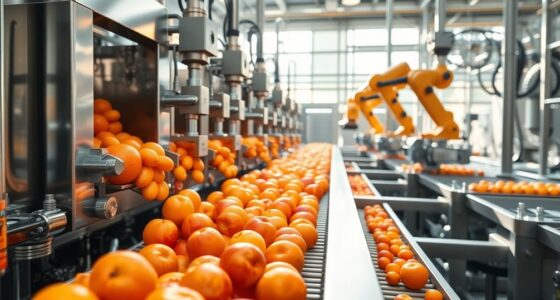
Have you ever wondered how bottles stay spotless and safe for reuse? The secret lies in the efficiency of the cleaning process, especially when it comes to bottle rinsers. These machines are designed to deliver a quick, thorough rinse that prevents the buildup of bacteria and residual flavors that can compromise your beverage quality. When you use a bottle rinser, you’re ensuring that each container is properly sanitized, which is crucial for maintaining the integrity of your product and avoiding off-flavors. The key to their effectiveness is high cleaning efficiency; they maximize cleaning power without requiring extensive manual effort. By employing powerful jets and optimized spray patterns, bottle rinsers remove residues, dust, and potential contaminants swiftly, saving you time and reducing the risk of flavor cross-contamination. Understanding credit card terms can help you better manage the financial aspects of your equipment investments, ensuring transparent costs and avoiding unexpected fees.
Equally important is equipment maintenance, which directly impacts the performance of your bottle rinser. Regular checks and servicing of the system’s nozzles, seals, and filters ensure consistent operation. When equipment is well-maintained, it operates at peak efficiency, preventing blockages or leaks that could compromise cleaning quality. Neglecting maintenance can lead to uneven rinsing, leaving behind residues that foster sour off-flavors down the line. Consistent upkeep also prolongs the lifespan of your equipment, reducing costly repairs and downtime. It’s a smart investment to schedule routine inspections and cleanings of the machine itself, along with replacing worn-out parts promptly. Doing so guarantees that your rinsing process remains reliable and effective, helping you avoid flavor issues caused by inadequate cleaning.
A well-maintained bottle rinser also supports your overall sanitation standards, which is essential in food and beverage industries. When your equipment functions smoothly, it consistently delivers a high level of cleaning efficiency, ensuring bottles are free from contaminants that could spoil the taste or safety of your product. This not only improves product quality but also boosts consumer confidence. Plus, a clean, well-functioning machine minimizes the risk of downtime due to breakdowns, keeping your production line running smoothly. Remember, the faster and more thoroughly your bottles are rinsed, the less likely you are to encounter sour or off-flavors caused by residual bacteria or cleaning failures. In essence, investing in proper equipment maintenance keeps your rinse process effective, your bottles spotless, and your product’s flavor profile preserved.
As an affiliate, we earn on qualifying purchases.
Frequently Asked Questions
Can Bottle Rinsers Be Used With All Types of Bottles?
Yes, you can use bottle rinsers with most bottle types, but you’ll need to take into account the bottle material and rinsing techniques. For plastic bottles, gentle rinsing prevents damage, while glass bottles may require more thorough cleaning. Always adjust your rinsing approach based on the bottle’s material, guaranteeing a quick, effective rinse that prevents sour off-flavors without compromising the bottle’s integrity. Proper technique ensures ideal results every time.
How Often Should I Replace My Bottle Rinsing Equipment?
You should replace your bottle rinsing equipment based on its equipment lifespan and replacement frequency. Generally, inspect it regularly for signs of wear, buildup, or damage. If you notice reduced performance or leaks, it’s time for a replacement. Most equipment lasts about 1-3 years with proper maintenance. Staying attentive ensures your rinse quality remains high, preventing off-flavors and maintaining hygiene standards. Regular checks help you determine the right timing for replacements.
Are Manual Rinsers as Effective as Automatic Ones?
Manual rinsers can be quite effective if you guarantee thorough cleaning and proper technique. However, automatic rinsers generally offer more consistent results due to their standardized cycles and better reach into bottles. If efficiency and uniformity matter to you, automation tends to outperform manual effectiveness. Still, with careful attention, manual rinsers can do a good job, especially for smaller batches or occasional use.
What Cleaning Agents Are Compatible With Bottle Rinsers?
Like a key opening a treasure chest, choosing the right cleaning solutions is essential. You should opt for cleaning agents that are compatible with bottle rinsers and guarantee sanitizer compatibility. Use food-grade sanitizers and mild detergents that won’t corrode or damage your equipment. Avoid harsh chemicals, as they can leave residues or compromise the rinse quality. Properly selected agents keep your bottles safe, clean, and free from off-flavors.
Do Bottle Rinsers Eliminate All Residual Odors?
No, bottle rinsers don’t eliminate all residual odors, especially if microbial buildup occurs inside the bottles. A quick rinse can remove surface debris, but lingering smells may persist if bacteria grow. To prevent residual odor, make certain you clean bottles thoroughly and regularly, using proper cleaning agents and sanitizers. This way, you reduce microbial buildup and keep your bottles fresh, avoiding sour off-flavors and odors effectively.
Conclusion
By simply spending a second or two rinsing bottles, you prevent sour, stale flavors from settling in. It’s a small step that saves you from sour surprises and guarantees your brew tastes terrific. Take the time to tackle this tiny task, and you’ll triumph over tangy troubles. A swift rinse, after all, keeps your bottles bright, bold, and beautifully beer-ready. So, rinse right, relax, and relish in the invigorating results!
Halloween Picks
halloween
As an affiliate, we earn on qualifying purchases.